

Images Depict Mature Plants
Little Bunny Dwarf Fountain Grass
Pennisetum alopecuroides 'Little Bunny'
Little Bunny is the Fountain Grass I'd look at when someone wants soft ornamental plumes but simply doesn't have room for a larger grass. It makes a tight little mound of green foliage, and those short, cream-colored bottlebrush flowers give it a lot of character without overwhelming the rest of the planting. I particularly like the miniature proportions for the front of a sunny border or a patio container, where you can actually appreciate the flowers up close. One thing I'd make clear when selling Little Bunny is how small it stays. If a homeowner needs a substantial mound, Hameln is noticeably larger; Little Bunny is meant for low edging and small-space texture, not privacy or tall screening. Give it full sun, don't overfertilize, and keep the soil well drained. I would also flag that Little Bunny belongs to Chinese Fountain Grass, a species now restricted in Maryland, so planting and sales eligibility need to be confirmed before I recommend it for a project. Where it is permitted, its charming flower plumes and compact growth make it a useful ornamental choice.
$28.01 with code NOVEMBER15 at checkout Save $4.94
📦 Free shipping on orders over $99.
Delay shipping by leaving us a message at Checkout.
Share:


Little Bunny Dwarf Fountain Grass – Miniature Bottlebrush Plumes and Graceful Garden Texture
Little Bunny Dwarf Fountain Grass Brings Beautiful Texture to Small Gardens
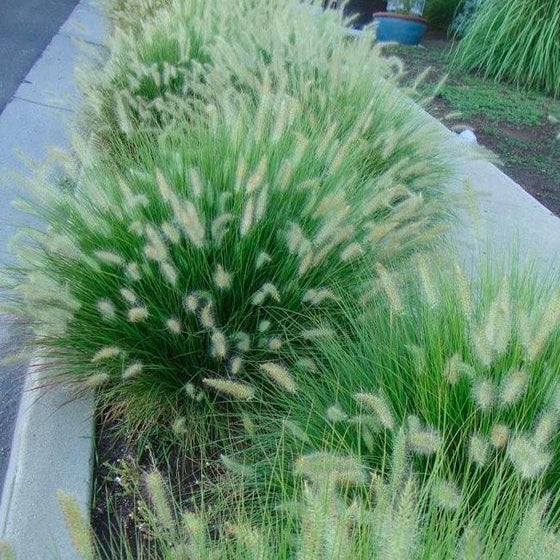
Little Bunny Dwarf Fountain Grass offers homeowners the graceful appearance of traditional Fountain Grass in a wonderfully compact plant. Its fine, narrow green leaves form a soft, rounded mound that adds texture and movement without the height associated with larger ornamental grasses. During summer, delicate bottlebrush-shaped flowers appear among and slightly above the foliage, creating a charming display that is appropriately scaled to the plant's miniature size. The soft leaves arch naturally from the central crown, giving Little Bunny its characteristic fountain-shaped appearance. It is especially attractive along garden walkways, near decorative stones, and at the front of perennial borders where a taller grass could hide neighboring flowers.
What makes Little Bunny Dwarf Fountain Grass particularly appealing is the way it brings ornamental interest to spaces that cannot accommodate a large grass. Its compact proportions allow it to be arranged in repeated groups, tucked into decorative containers, or used as a small accent among flowering plants. Unlike grasses grown primarily for imposing height, Little Bunny contributes detail and texture at ground level. When several plants are grouped together, their rounded green foliage creates an attractive pattern, while the tiny cream-colored flowers introduce softness during late summer. For homeowners seeking the classic Fountain Grass appearance in a low-growing, manageable plant, Little Bunny has an unusually appealing form.
Miniature Creamy-White Bottlebrush Flowers Add Soft Summer Interest
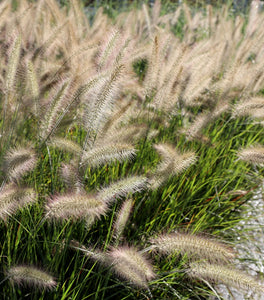
One of the most attractive features of Little Bunny Dwarf Fountain Grass is its small, fuzzy bottlebrush flower spikes. These delicate plumes emerge during summer, often beginning around July or August depending on regional growing conditions. Initially, the flowers appear pale cream, ivory, or yellowish-white, creating a subtle contrast against the grass's green foliage. The flower heads are shorter and more delicately scaled than those of larger Fountain Grass varieties, giving the plant a soft, charming appearance. When sunlight catches the plumes, the individual flower bristles become more visible, creating an appealing texture that makes Little Bunny especially attractive near seating areas and garden paths.
As the flowering season progresses, the creamy plumes gradually turn buff, beige, and light tan. Their mature appearance can remain ornamental into autumn, although wind, rain, and seasonal temperatures influence how long they persist. Little Bunny is grown mainly for the combination of its compact shape and flower texture rather than for an overwhelming floral display. The flowers are wind-pollinated and should not be advertised as a major source of nectar for bees or butterflies. The cultivar's seed fertility should also not be assumed to be negligible without specific evidence. Its strongest ornamental appeal remains the delicate bottlebrush flowers floating above a miniature fountain of green leaves.
Exceptionally Compact Growth Makes Little Bunny Ideal for Edging and Containers
Little Bunny is recognized as one of the smallest selections of Chinese Fountain Grass, generally reaching approximately 12–18 inches tall and wide in garden conditions. Some grower references describe still smaller mature clumps, reflecting the cultivar's naturally miniature proportions and variation between environments. Its fine foliage develops into a low, rounded mound that fits beautifully in spaces where larger ornamental grasses might become overwhelming. The leaves arch gently outward, creating an attractive soft edge without the strong vertical growth of taller grasses. This makes Little Bunny useful for walkway borders, compact perennial beds, small courtyards, and container arrangements.
When planted in groups, Little Bunny creates a repeating pattern of rounded foliage that can soften hardscape edges and add a sense of natural movement. Space plants approximately 12–18 inches on-center, adjusting for their mature spread and the desired visual density. Closer spacing creates a fuller border, while wider spacing allows each miniature clump to maintain its individual form. For containers, select a pot with adequate drainage and room for the roots to develop. Little Bunny works particularly well as a low ornamental accent beside compact flowering perennials or in a minimalist arrangement where its shape can be appreciated. Its small mature size is the primary advantage, so it should not be purchased for tall screening or privacy.
Fine Green Foliage Provides Graceful Texture Throughout the Growing Season
Before Little Bunny produces flowers, its narrow green leaves form an attractive, naturally rounded clump. The foliage develops as temperatures warm in spring, gradually creating a dense mound that remains ornamental through summer. Unlike colorful ornamental grasses selected for burgundy, blue, or variegated leaves, Little Bunny offers a softer appearance through its fine texture and compact shape. The leaves move lightly in the breeze and contrast well with broader perennial foliage, flowering groundcovers, and low-growing shrubs. In a sunny border, the green mound provides a consistent structural element while neighboring plants change through their flowering seasons.
Little Bunny is a warm-season ornamental grass, meaning its main active growth begins after spring temperatures become consistently favorable. This is an important distinction from cool-season varieties such as Karl Foerster Feather Reed Grass, which typically begins growing earlier. Little Bunny may appear dormant while some other perennials have already begun emerging. During summer, the clump becomes fuller, with the fine foliage providing texture even before the first creamy flowers appear. Its modest dimensions make it particularly effective for layered planting designs where different leaf shapes and flowering habits create interest. Compact growth and attractive foliage texture remain valuable ornamental features throughout the season.
Warm Golden Fall Color and Soft Dried Plumes Extend the Display
As late summer transitions into autumn, Little Bunny's green foliage begins developing yellow, golden, and straw-colored tones. The miniature bottlebrush plumes also change from creamy white toward buff and tan, creating a coordinated display of warm seasonal color. Even after the most attractive flowering period has passed, the mature flower heads and arching foliage can continue providing movement in the garden. Their subtle colors complement autumn-blooming perennials, evergreen shrubs, and decorative stone. In a small border, several plants can create an appealing pattern of rounded golden clumps as nearby flowering perennials begin entering dormancy.
During winter, Little Bunny becomes dormant, and the foliage generally turns tan to brown. Some dry stems and flower heads may remain standing, although severe weather can flatten the clumps. Leaving dormant grasses intact for part of the winter can provide ornamental texture, but seed management should be considered wherever Chinese Fountain Grass is regulated or poses ecological concerns. Little Bunny is not evergreen and should not be promoted as providing permanent green coverage. The previous season's foliage is normally removed in late winter or early spring before fresh shoots emerge. For homeowners who enjoy subtle seasonal changes in a compact ornamental plant, its transition from green summer foliage to golden fall texture is a useful feature.
Full Sun and Good Drainage Help Little Bunny Maintain Its Attractive Shape
Little Bunny Dwarf Fountain Grass performs best in full sun and average, reasonably well-drained soil. Six or more hours of direct sunlight generally encourage dense foliage and the strongest flower production. The plant tolerates some partial shade, but reduced sunlight can result in fewer plumes or a less compact appearance. It adapts to several common soil textures and can withstand occasional dry periods after establishment. Newly planted specimens still need consistent watering as their roots develop beyond the nursery container. Good drainage is important, particularly in cold climates where prolonged wet soil around the crown can contribute to winter damage.
Once established, Little Bunny generally requires modest routine care. Heavy fertilizer applications are usually unnecessary in reasonably fertile garden soil, and excessive nitrogen can encourage excessive soft growth. A single late-winter or early-spring cutback is typically sufficient to remove dormant stems and encourage fresh foliage. Deer and rabbits generally find Fountain Grass less appealing than many broadleaf perennials, although resistance is never absolute. The most important site requirements are adequate sunlight, balanced soil moisture, and appropriate drainage. Because the species is regulated in some states, growers and homeowners must also confirm that acquisition, planting, and propagation are permitted in the intended location.
Create Attractive Small-Space Plantings With Little Bunny and Compatible Perennials
Little Bunny Dwarf Fountain Grass is particularly appealing alongside small flowering perennials with contrasting foliage and flower forms. Its compact green mounds can soften the edges of plants such as Creeping Phlox, low-growing Sedums, Catmint, and compact Coneflowers when their sunlight and drainage requirements are compatible. In a larger garden bed, repeating several Little Bunny plants creates an organized border without distracting from taller flowering shrubs. The miniature plumes are especially attractive when viewed close to a path or patio, where their delicate texture can be appreciated rather than lost among much larger plants.
For homeowners who want a similarly compact grass in a jurisdiction where Chinese Fountain Grass is restricted, locally permitted alternatives should be considered. Elijah Blue Fescue offers a blue-gray mound, while Prairie Dropseed provides graceful fine-textured foliage but matures considerably larger. Blue Grama Grass is another native-species possibility for sunny, well-drained sites, with distinctive horizontal flower spikes. Each has a different appearance, so selecting an alternative should begin with the desired height, foliage texture, and available planting space. Where Little Bunny can legally be grown, its miniature fountain form and soft creamy bottlebrush plumes make it an attractive ornamental accent.
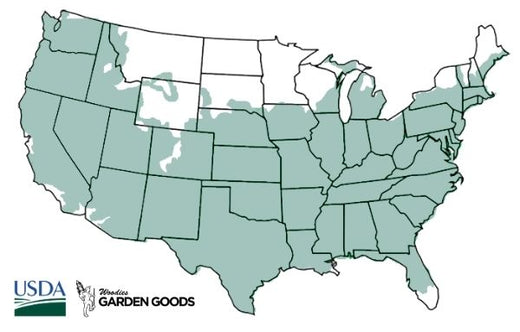
| Hardiness Zone: | 5-9 |
|---|---|
| Mature Height: | Approximately 12–18 inches, including flowers; may remain shorter under some conditions |
| Mature Width: | Approximately 12–18 inches |
| Sunlight: | Full sun preferred; light partial shade tolerated with reduced flowering possible |
| Soil Condition: | Average, well-drained sandy, loamy, or suitably drained clay soil; adaptable to moderately fertile conditions |
| Water Requirements: | Moderate during establishment; low to moderate after establishment |
| Bloom Time / Color | Midsummer to early fall; often July–September depending on climate / Cream, ivory-white, pale yellow, and buff, aging tan |
| Wildlife Value | Some seed-eating birds may visit mature heads if viable seed is produced |
| Resistance (deer/disease/drought/etc.) | Deer, Moderate Drought Once Established, Heat, Average to Sandy Soil, Light Salt Exposure; vulnerable to prolonged poorly drained conditions |
| Landscape Uses | Small borders, walkway edging, decorative containers, rock gardens, compact perennial beds, small-scale mass plantings, sunny courtyard gardens |
How to Care for Little Bunny Dwarf Fountain Grass
Before you buy a Little Bunny Dwarf Fountain Grass, be sure to read about the care instructions to ensure your plant stays happy and healthy for years to come!

How should I plant Little Bunny Dwarf Fountain Grass?
Plant Little Bunny Dwarf Fountain Grass in full sun with at least six hours of direct sunlight daily, choosing an area with reasonably well-drained soil. Its small mature size makes it particularly attractive near walkways, in compact perennial beds, and in decorative containers, but adequate root space and airflow remain important. The plant tolerates ordinary garden soils and can handle some dryness after establishment. Avoid locations where water remains standing around the crown for extended periods. Before purchasing or planting, confirm that Chinese Fountain Grass cultivars are legally permitted in the intended jurisdiction, since several states, including Maryland, restrict the species and associated cultivars. Dig a hole approximately twice as wide as the root ball and no deeper than its height. Remove the plant carefully from its nursery container and loosen circling roots when necessary. Position the crown level with the surrounding soil, backfill with the original soil, and water thoroughly. For repeated borders, space Little Bunny approximately 12–18 inches apart on center, adjusting for its mature width and the desired appearance. Apply a modest layer of mulch while keeping the crown uncovered. Spring planting is particularly useful near the colder end of the plant's range because it gives the root system time to establish before winter.

How often should I water Little Bunny Dwarf Fountain Grass after planting?
During its first growing season, Little Bunny requires regular watering while the roots establish. Water thoroughly immediately after planting and check soil moisture regularly, especially during hot weather. In many garden soils, approximately 1 inch of water per week, including rainfall, is a practical starting guideline, but actual needs depend on soil texture, rainfall, temperature, and root development. Sandy soils may dry more quickly than clay or loam, while containers require closer attention than in-ground plantings. The objective is to encourage roots to expand beyond the original nursery root ball without keeping the soil continuously saturated. Once established, Little Bunny can tolerate occasional dry periods, although prolonged drought may cause foliage browning or reduced flower production. Supplemental watering during extended hot, dry weather can help maintain an attractive mound. Container-grown plants should be watered according to actual root-zone moisture, since pots dry faster than surrounding garden beds. A light mulch layer can reduce evaporation in established landscape beds. Balanced moisture, good drainage, and consistent establishment care are more important than following a rigid daily watering schedule.

When should I fertilize Little Bunny Dwarf Fountain Grass?
Little Bunny Dwarf Fountain Grass generally requires very little supplemental fertilizer when growing in reasonably fertile garden soil. If a soil test identifies a deficiency, apply a modest quantity of appropriate balanced slow-release fertilizer in spring as active growth begins, following the product label. A light application of finished compost may also be useful in poor soil, provided it does not interfere with drainage. Because Little Bunny is naturally miniature, its smaller foliage mass should not be interpreted as a sign that it needs more fertilizer than larger ornamental grasses. Avoid heavy nitrogen applications, as excess fertilizer may promote soft foliage growth without improving the plant's natural compact shape. Fertilizer will not correct poor flowering caused by insufficient sunlight, nor will it solve problems caused by waterlogged roots. If growth seems weak, inspect drainage, exposure, and root establishment first. Healthy plants generally need little additional feeding after establishment. Full sunlight, moderate fertility, and appropriate moisture provide the best foundation for attractive Little Bunny foliage and plumes.

When and how should I prune Little Bunny Dwarf Fountain Grass?
Little Bunny is a deciduous warm-season ornamental grass, so its foliage becomes dormant after colder autumn weather. The usual time to remove old growth is late winter or early spring before new shoots emerge. Dried foliage and tan flower plumes can provide seasonal texture through part of winter, although heavy snow or rain may flatten the miniature clump. Where Chinese Fountain Grass presents invasive or regulatory concerns, removing mature flower heads before potential seed dispersal may be advisable rather than leaving them standing. Gather the dormant stems and cut them back to approximately 3–4 inches above the crown, taking care not to injure new shoots. Use clean, sharp hand pruners or scissors, which are generally sufficient for this small cultivar. Remove dead debris from around the plant and avoid heavy trimming during active summer growth, when developing flower heads could be lost. Division should be considered only where propagation is legally permitted. A careful spring cleanup is normally the main annual pruning task.