


Images Depict Mature Plants
Standing Ovation Little Bluestem
Schizachyrium scoparium 'Standing Ovation' PP25,202
The biggest difference I notice between Standing Ovation and many other Little Bluestem grasses is how well it holds its shape. There are plenty of native grasses with beautiful fall color, but when you want something upright and consistent along a walkway or in a formal-looking perennial bed, that strong structure makes a real difference. I particularly like the blue-green summer foliage with those reddish-purple tips, because it gives the plant color before autumn even arrives. Then the leaves turn some terrific shades of orange, red, and burgundy, and the silvery seed heads finish off the display. Another advantage is that Standing Ovation stays relatively narrow, so you can repeat several plants along a border without giving up too much space. I like combining it with Purple Coneflowers, Black-Eyed Susans, and other native perennials for a garden that provides color and texture through multiple seasons. My main advice is to give it full sun, avoid overwatering, and don't overfertilize. Once the roots are established, it generally takes very little work. For homeowners who want a native-species ornamental grass with strong vertical structure and beautiful fall color, Standing Ovation is an excellent selection.
$29.71 with code NOVEMBER15 at checkout Save $5.24
📦 Free shipping on orders over $99.
Delay shipping by leaving us a message at Checkout.
Share:Recommended Add-Ons



Standing Ovation Little Bluestem – Strong Upright Growth and Spectacular Fall Color
Standing Ovation Little Bluestem Delivers Strong Upright Growth and Beautiful Seasonal Color
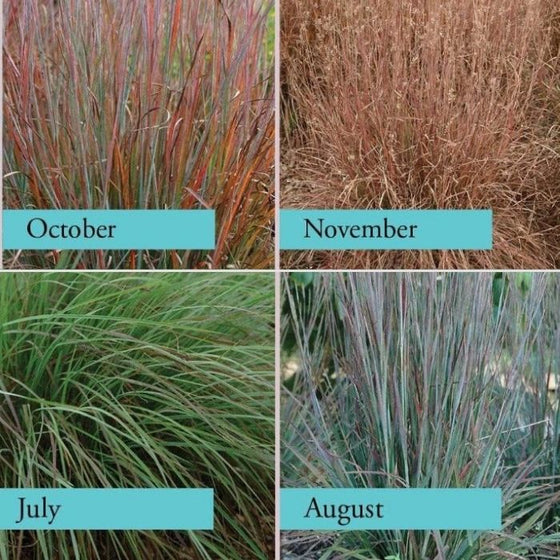
Standing Ovation Little Bluestem is an outstanding ornamental grass for homeowners who want the beauty of a native prairie grass with a particularly strong, upright growth habit. Its broad blue-green leaves and thick, sturdy stems create a neat, vertical clump that provides beautiful structure in sunny garden borders. Unlike some Little Bluestem varieties that can lean outward as they mature, Standing Ovation was selected for its ability to retain a more consistently upright appearance. During spring and early summer, the foliage displays cool blue-green tones with attractive reddish-purple accents near the leaf tips. As the season progresses, the plant gradually develops deeper coloration, eventually producing a spectacular display of red, orange, bronze, and burgundy during autumn.
What makes Standing Ovation Little Bluestem particularly valuable is the combination of colorful foliage and reliable structure. Its vertical shape creates an organized appearance in modern gardens while still fitting naturally into prairie-inspired borders and mixed perennial plantings. The relatively narrow clumps provide noticeable height without occupying as much space as larger ornamental grasses. Standing Ovation also remains attractive after the main growing season, with delicate, silvery seed heads and warm-colored, dormant stems contributing to winter interest. For homeowners searching for a colorful native ornamental grass that stays upright and offers beautiful seasonal changes, Standing Ovation provides an excellent balance of ornamental appeal, durability, and manageable size.
Broad Blue-Green Leaves With Red Tips Create Outstanding Summer Interest
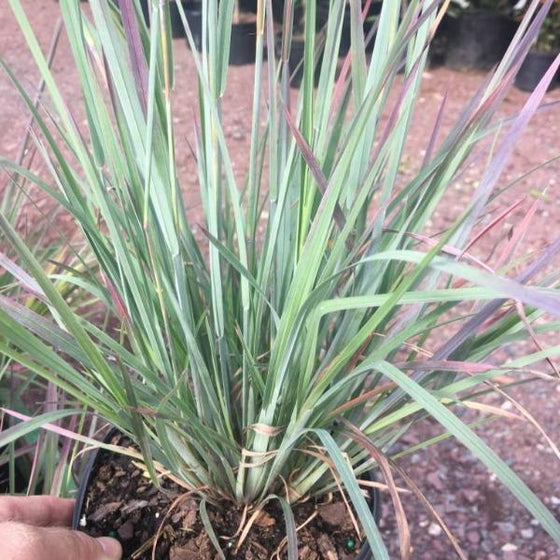
One of the defining characteristics of Standing Ovation Little Bluestem is its unusually broad blue-green foliage with attractive red-purple leaf tips. These leaves provide a stronger visual presence than the finer foliage of some traditional Little Bluestem selections. During spring, fresh blue-green growth emerges from the crown as soil temperatures warm. As summer progresses, the foliage develops increasing amounts of red and purple near the tips and bases of the leaves. This creates a layered effect of cool blue and green tones and warm reddish tones that looks particularly attractive against yellow-flowering perennials, dark green shrubs, and decorative stone. The color differences are most noticeable in full sunlight, where the leaves receive enough energy to develop their distinctive seasonal pigmentation.
Another advantage is that the rich foliage colors develop gradually rather than appearing only after the first autumn frost. The red tips begin adding interest during the active growing season, helping Standing Ovation stand apart from ornamental grasses that remain uniformly green through summer. Its strong, upright stems also allow the colors to remain visible without excessive leaning or overlapping foliage. The intensity of blue and red coloration can vary according to sunlight, soil fertility, temperature, and moisture conditions. For the strongest visual effect, plant Standing Ovation in full sun with well-drained soil and avoid excessive nitrogen fertilizer. Under suitable conditions, the foliage creates a beautiful summer display that becomes even more dramatic as autumn approaches.
Fiery Red, Orange, and Burgundy Fall Foliage Creates a Spectacular Display
As temperatures begin cooling, Standing Ovation Little Bluestem undergoes a remarkable transformation from blue-green summer foliage to vivid shades of red, orange, copper, and burgundy. This autumn color is among the cultivar's most impressive ornamental qualities. The leaves gradually develop warmer tones, often creating a mix of colors within the same clump. Some stems become deep maroon, while others display copper-red or orange accents. The effect is especially striking when sunlight passes through the upright foliage, highlighting the different colors and giving the plant a glowing appearance. In sunny perennial borders, this dramatic transition provides valuable late-season interest after many flowering plants have finished their displays.
Standing Ovation also tends to retain attractive foliage color later into the season than some other Little Bluestem selections. Its rigid stems help the plant maintain a recognizable upright silhouette as the foliage transitions into dormancy. When several plants are repeated along a border or across a larger landscape bed, their autumn colors create a coordinated display of warm tones. The red and bronze foliage looks especially beautiful alongside golden Black-Eyed Susans, Purple Coneflowers, and late-blooming Asters. As winter approaches, the colors gradually soften toward copper, bronze, and tan. For homeowners seeking a native grass that provides strong fall color without relying on ornamental flowers, Standing Ovation is an exceptional choice.
Sturdy Upright Stems Make Standing Ovation Ideal for Borders and Mass Plantings
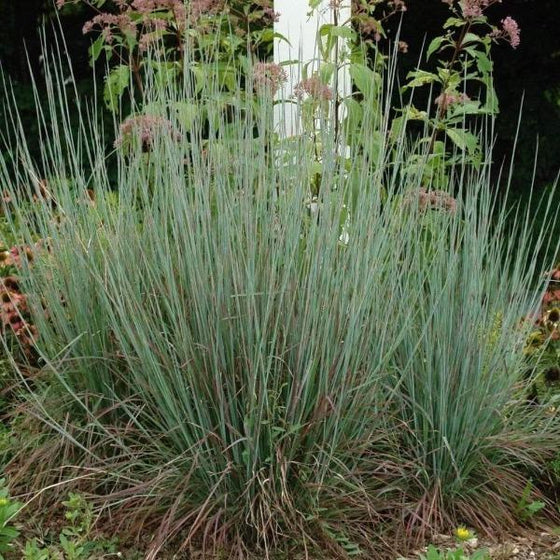
Standing Ovation Little Bluestem develops a tight, upright clump that typically grows approximately 3–4 feet tall and 18–24 inches wide. This relatively narrow form offers a valuable advantage in garden beds where homeowners want noticeable height without a broad, fountain-shaped ornamental grass. The stems rise strongly from the crown, creating a vertical appearance that works beautifully in contemporary landscapes, prairie-style gardens, and perennial borders. Unlike larger grasses that can spread several feet across, Standing Ovation generally remains manageable in established landscape plantings. Its strong stems were an important part of the cultivar's original selection, making resistance to lodging and flopping one of its most recognizable benefits.
For borders and repeated plantings, space Standing Ovation approximately 18–24 inches apart on center, allowing individual clumps to develop their mature width. Closer spacing creates a more continuous display, while wider spacing emphasizes each plant's upright form. Groups of three, five, or more create a particularly effective pattern, especially when the foliage develops its rich autumn colors. Standing Ovation also works beautifully along sunny walkways, at the back of lower perennial borders, or as a repeated accent near outdoor seating areas. Although its height provides some seasonal visual screening, the clumps are not dense evergreen barriers. Its greatest landscape value is creating upright structure, beautiful foliage color, and an attractive repeated rhythm without occupying excessive horizontal space.
Silvery Seed Heads and Bronze Winter Stems Provide Four-Season Structure
As Standing Ovation Little Bluestem approaches late summer and autumn, it produces small, narrow flower structures that develop into delicate, silvery-white seed heads. These flowers are considerably less conspicuous than the bottlebrush plumes of Fountain Grass or the large feathery flowers of Miscanthus. Instead, the fine seed structures appear along the upright stems, creating a soft, shimmering appearance when illuminated by sunlight. The plant is wind-pollinated, so its flowers are not a major nectar source for butterflies or bees. However, the seed heads provide an attractive ornamental effect and can supply food for seed-eating birds as they mature. The combination of colorful foliage and delicate seeds adds interest to Standing Ovation during the latter portion of the growing season.
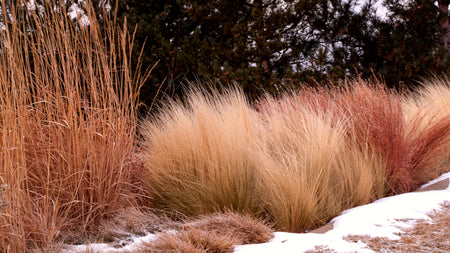
During winter, the foliage becomes dormant and gradually turns bronze, copper, reddish-brown, and eventually tan, while many of the upright stems can remain standing. Frost and snow often highlight the fine seed heads, creating a beautiful contrast against winter landscapes. Heavy snow or ice may temporarily bend stems, but Standing Ovation's naturally rigid growth habit helps it maintain a stronger structure than some less upright varieties of Little Bluestem. Leaving the old foliage standing through winter also provides useful cover for birds and small wildlife. In late winter or early spring, the dormant stems should be cut back before new growth begins. For homeowners interested in ornamental grasses that contribute meaningful texture during every season, Standing Ovation is particularly valuable.
Drought Tolerance and Deer Resistance Make Standing Ovation Easy to Maintain
Standing Ovation Little Bluestem is a durable, low-maintenance ornamental grass that grows particularly well in full sun and well-drained soil. As a selection of native Schizachyrium scoparium, it tolerates sandy, rocky, and relatively poor soils once established. The plant develops an extensive root system that helps it withstand periodic drought and contributes to soil stability. Unlike ornamental grasses that require consistently moist or highly fertile conditions, Standing Ovation generally performs well with moderate moisture and relatively lean soil. Newly planted specimens still need regular watering during establishment, but mature plants often require little supplemental irrigation except during prolonged drought. Its adaptability makes it useful in sunny residential landscapes where irrigation may be limited.
Another advantage is generally high resistance to deer browsing, making Standing Ovation attractive for gardens where deer frequently damage flowering perennials or shrubs. The grass is also relatively resistant to rabbit browsing, although local wildlife behavior can vary. Fertilization is usually unnecessary in ordinary garden soil, and heavy feeding can encourage unwanted growth. The original plant patent identifies Standing Ovation as having particularly strong stems, including under conditions where other Little Bluestem varieties may lodge. Even so, proper drainage and appropriate sunlight remain essential. Avoid consistently waterlogged locations and excessive irrigation, since Little Bluestem generally performs best where its roots receive adequate oxygen. With full sun, modest fertility, and proper establishment watering, Standing Ovation provides attractive growth with relatively simple ongoing maintenance.
Native-Species Roots and Wildlife Benefits Make Standing Ovation a Valuable Landscape Grass
Standing Ovation Little Bluestem is a cultivated selection of Schizachyrium scoparium, a warm-season grass native to much of North America. The species is an important component of many prairie, meadow, and open woodland-edge habitats. Its foliage provides protective cover for birds and small animals, while the mature seeds can contribute food for seed-eating wildlife during fall and winter. Little Bluestem also serves as a larval host plant for several native butterflies, including certain skippers and the Common Wood-Nymph. Although cultivar-specific host use has not been independently established for Standing Ovation, its native-species background gives it a useful ecological connection to North American landscapes.
Standing Ovation works especially well in native-inspired gardens when combined with flowering plants that provide nectar and pollen. Purple Coneflowers, Blazing Star, Butterfly Weed, Black-Eyed Susans, and Asters create a beautiful contrast with the grass's upright blue foliage and warm autumn color. These companion plants also support pollinators throughout the growing season. While the species is native across much of the continent, Standing Ovation is a named nursery selection originally discovered in Pennsylvania, and it should not automatically be treated as a local wild ecotype for ecological restoration projects. For residential gardens, however, its upright growth, strong seasonal color, and native-species characteristics make it an appealing component of a diverse landscape.
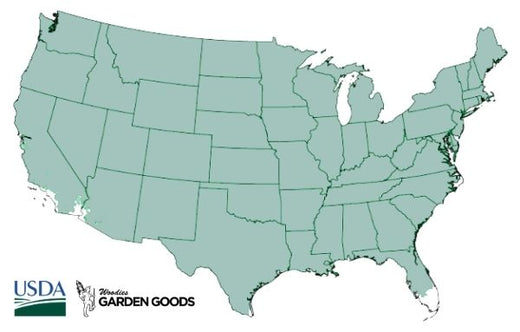
| Hardiness Zone: | 3-9 |
|---|---|
| Mature Height: | Approximately 36–48 inches including flowering stems; some references list shorter plants under particular conditions |
| Mature Width: | Approximately 18–24 inches |
| Sunlight: | Full sun preferred, at least six hours daily; partial shade may reduce color and stem strength |
| Bloom Time / Color | Late summer to fall, generally August–October; seed heads may persist through winter / Subtle greenish to purplish-bronze flowers followed by silvery-white seed heads |
| Soil Condition: | Average to dry, well-drained sandy, rocky, loamy, or clay soil; tolerates poor fertility and a wide pH range |
| Water Requirements: | Moderate during establishment; low once established; supplemental watering during prolonged severe drought |
| Resistance | Deer, Rabbits, Drought Once Established, Heat, Humidity, Dry Soil, Poor Soil, Sandy Soil, Rocky Soil, Clay Soil with Adequate Drainage, Black Walnut, Erosion, Urban Conditions |
| Landscape Uses | Sunny borders, mass plantings, native-inspired gardens, prairie gardens, meadow-style plantings, specimen accents, slopes, erosion-control plantings, mixed perennial beds, winter-interest landscapes |
How to Care for Standing Ovation Little Bluestem
Before you buy a Standing Ovation Little Bluestem, make sure to read Woodies care instructions to keep this plant healthy and thriving.

How should I plant Standing Ovation Little Bluestem?
Plant Standing Ovation Little Bluestem in full sun with at least six hours of direct sunlight daily. The best location has well-drained soil and sufficient room for a mature clump approximately three to four feet tall and 18–24 inches wide. This native-species grass performs particularly well in sandy, rocky, or relatively lean soils but also adapts to loam and clay when drainage is adequate. Before planting, remove weeds and loosen compacted soil as needed. Avoid heavily enriching the planting area with fertilizer or rich compost, since Standing Ovation does not require highly fertile soil to develop its attractive foliage and strong upright stems. Spring planting is especially beneficial in colder regions because it allows the roots to establish before winter. Dig a hole approximately twice as wide as the root ball and no deeper than its height. Gently remove the grass from its container and loosen any tightly circling roots. Position the crown level with the surrounding soil, backfill using the original soil, and water thoroughly. For borders and mass plantings, space plants approximately 18–24 inches apart on center, adjusting for the desired density. Apply a modest layer of mulch around the root zone, keeping the crown uncovered. Standing Ovation grows into a naturally upright clump, so provide enough room for its mature foliage without planting it directly against neighboring shrubs or walkways.

How often should I water Standing Ovation Little Bluestem after planting?
During the first growing season, Standing Ovation Little Bluestem benefits from regular watering while its root system becomes established. Water thoroughly immediately after planting and monitor the soil regularly, especially during hot, dry periods. Approximately 1 inch of water per week, including rainfall, can serve as a starting guideline during establishment, but watering should be adjusted according to soil texture, temperature, and actual root-zone moisture. Sandy soils may dry quickly, while heavier soils retain moisture longer. Deep, occasional watering is preferable to repeatedly wetting only the soil surface. The goal is to encourage roots to extend into the surrounding soil without keeping the crown continuously saturated. Once established, Standing Ovation becomes highly drought tolerant and generally requires little supplemental irrigation. Its extensive root system helps the plant withstand seasonal dry periods, making it useful in sunny, lower-water landscapes. During unusually prolonged drought, supplemental watering may help maintain attractive foliage, but established plants generally prefer conditions that are not constantly wet. Avoid excessive irrigation, particularly in heavy soils with poor drainage. Moderately dry, well-drained conditions often support the strongest long-term performance, while persistent waterlogging can weaken the plant and increase the risk of crown problems.

When should I fertilize Standing Ovation Little Bluestem?
Standing Ovation Little Bluestem generally requires very little supplemental fertilizer when growing in ordinary garden soil. This grass is adapted to relatively low-fertility conditions, and the strongest plants often develop in soils that are less heavily amended than those used for demanding flowering perennials. If a soil test identifies a nutrient deficiency, a modest application of balanced, slow-release fertilizer may be used in spring as new growth begins, following the manufacturer's instructions. Healthy established plants with attractive foliage and strong stems generally do not require annual fertilizer applications. Avoid excessive nitrogen because heavy feeding can encourage unnecessary foliage growth and competition from surrounding weeds. Although Standing Ovation was selected for its strong stems and resistance to lodging, there is little advantage to forcing unusually rapid growth. Too much fertility may also reduce the character of a low-maintenance native-style planting. If a plant appears weak, evaluate sunlight, drainage, planting depth, and establishment watering before adding fertilizer. For most residential landscapes, full sun, suitable drainage, and moderate soil fertility are more important than regular feeding.

When and how should I prune Standing Ovation Little Bluestem?
Standing Ovation Little Bluestem is a deciduous warm-season ornamental grass that becomes dormant during winter. The best time for annual pruning is late winter or early spring, before fresh green shoots emerge from the crown. Many homeowners leave the upright stems standing through fall and winter because the foliage retains attractive bronze and tan tones, and the delicate seed heads provide additional texture. The stems can also offer shelter for birds and other small wildlife. Although heavy snow or ice may temporarily bend the foliage, Standing Ovation is known for its naturally sturdy growth habit. When spring approaches, gather the dormant stems and cut them back to approximately 4–6 inches above the ground, taking care not to damage emerging shoots. Use clean, sharp pruning shears or other suitable trimming tools, and remove any accumulated debris around the crown. Mature clumps can be divided in spring when necessary, although routine division is generally not required. Avoid cutting Standing Ovation back during summer or fall because that would remove the plant's developing red coloration and ornamental seed heads. One careful spring cleanup is usually sufficient to prepare the grass for another season of growth.