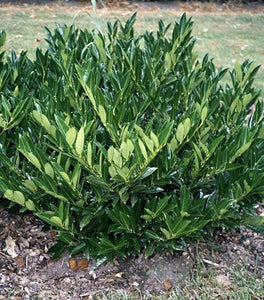
Images Depict Mature Plants
Dwarf English Laurel
Prunus laurocerasus 'Nana'
Dwarf English Laurel is a good choice when you want the glossy evergreen look of cherry laurel but do not want the size of a full English Laurel hedge. It still gets large enough to screen, so give it space, but it is easier to manage around foundations, patios, and property lines. I would use it where year-round structure is the priority and keep it on a light pruning schedule before it ever gets overgrown.

15% OFF SITEWIDE SALE
Use Code 'PRIMETIME15' At Checkout
📦 Free shipping on orders over $99.
Delay shipping by leaving us a message at Checkout.
Share:


A Compact Evergreen Laurel for Hedges, Screens, and Foundation Plantings
Glossy Evergreen Foliage in a More Manageable Size
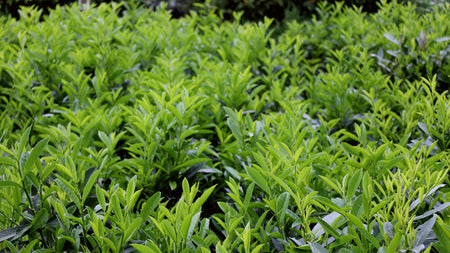
Dwarf English Laurel is a compact form of cherry laurel grown for its glossy evergreen foliage, dense branching, and year-round landscape structure. It delivers the classic look of English Laurel in a smaller, more manageable size, making it useful for homeowners who want evergreen screening without the scale of a full-size laurel hedge.
The broad, dark green leaves create a polished look through every season. Use Dwarf English Laurel as a low to mid-height hedge, foundation shrub, property-line planting, border backdrop, or evergreen massing plant where dependable coverage is needed.
White Spring Flowers and Seasonal Berry Interest
In spring, Dwarf English Laurel can produce upright clusters of fragrant white flowers. These blooms add a soft seasonal accent against the deep green foliage and may attract pollinators when present.
After flowering, cherry laurel shrubs may produce small fruits that mature to dark purple-black or black. Birds may feed on the fruit, adding wildlife interest, but homeowners should be aware that cherry laurel foliage, stems, and seeds are toxic if eaten by people, pets, or livestock. This plant should be sited thoughtfully in landscapes with curious pets or children.
Ideal for Compact Hedges, Borders, and Evergreen Structure
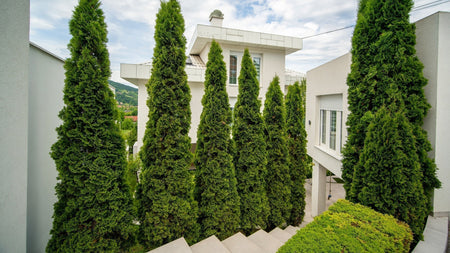
Dwarf English Laurel is a strong choice for evergreen hedges, foundation plantings, mixed shrub borders, privacy screens, and year-round backdrops. Its compact habit makes it especially useful in front yards, side yards, patios, and formal plantings where a dense evergreen presence is desired.
Plant it in rows for a clipped hedge or use it in groups for a softer, natural screen. It pairs well with hydrangeas, boxwood, hollies, viburnums, spirea, ornamental grasses, and flowering perennials. Compared with larger laurels, it is easier to manage in smaller residential landscapes.
Shade Tolerant, Adaptable, and Low Maintenance
Dwarf English Laurel grows in full sun to part shade and can tolerate more shade than many evergreen shrubs. In hotter climates, afternoon shade can help protect foliage from stress. It performs best in moist, well-drained soil with organic matter, but adapts to a range of average garden soils once established.
This shrub is commonly used because it responds well to pruning and can be maintained as a hedge. It is also generally considered deer-resistant, though deer browsing can vary by region and pressure. Water regularly while the root system establishes, then provide deep watering during extended dry periods.
Easy Care with Good Drainage and Thoughtful Pruning
Plant Dwarf English Laurel where the soil drains well, and air circulation is adequate. Avoid wet, poorly drained sites, which can stress roots and contribute to disease problems. Mulch around the root zone to conserve moisture and reduce weed competition, but keep mulch away from the stems.
Prune after spring flowering to shape the shrub or maintain a hedge. Light, regular pruning is better than severe corrective pruning after the plant becomes overgrown. For the most natural look, selectively shorten longer stems instead of shearing every branch flat.

| Hardiness Zone: | 6-8 |
|---|---|
| Mature Height: | 6 to 8 feet |
| Mature Width: | 6 to 8 feet |
| Sunlight: | Full sun to part shade; tolerates shade, with afternoon shade helpful in hotter climates |
| Soil: | Moist, fertile, well-drained soil preferred; adaptable to average soils |
| Water: | Water regularly after planting; moderate moisture preferred; drought tolerant once established |
| Bloom Time / Color: | Spring; fragrant white flower clusters, sometimes with lighter repeat bloom |
| Foliage: | Glossy, dark green, leathery evergreen leaves |
| Ornamental Features: | Dense evergreen habit, glossy foliage, white spring flowers, compact hedge form, year-round structure |
| Wildlife Value: | Flowers may attract pollinators; fruit may attract birds |
| Resistance: | Generally deer resistant; shade tolerant; adaptable; responds well to pruning |
| Landscape Uses: | Evergreen hedge, compact privacy screen, foundation planting, shrub border, property line, patio screen, formal hedge, mass planting, year-round backdrop |
How to Care for Dwarf English Laurel
Once you buy a Dwarf English Laurel, make sure to read about the care instructions that are recommended to keep this plant healthy and thriving.

How should I plant Dwarf English Laurel?
Plant Dwarf English Laurel in full sun to part shade with moist, well-drained soil. Choose a location with enough room for the shrub to mature, even if you plan to prune it as a hedge. Avoid low, soggy areas where water sits after rain. Dig a hole about twice as wide as the root ball and just as deep. Set the top of the root ball level with the surrounding soil, backfill with native soil, and water thoroughly. Apply mulch around the root zone, keeping mulch a few inches away from the stems.

How often should I water Dwarf English Laurel after planting?
Water the Dwarf English Laurel deeply after planting, then keep the root zone evenly moist while the shrub establishes. During the first growing season, water when the top few inches of soil begin to dry, especially during heat or drought. Established plants can tolerate short dry periods, but they look best with moderate moisture. Deep watering during extended dry spells helps protect foliage quality and supports a dense evergreen habit.

When should I fertilize Dwarf English Laurel?
Fertilize Dwarf English Laurel in early spring if growth is weak or soil fertility is low. Use a balanced slow-release shrub fertilizer or topdress with compost to support steady evergreen growth. Avoid overfertilizing, especially with high-nitrogen fertilizer. Too much soft growth can make the plant harder to maintain as a hedge. Healthy soil, mulch, and proper watering are usually more important than frequent feeding.

When and how should I prune Dwarf English Laurel?
Prune Dwarf English Laurel after spring flowering if you want to shape the shrub, control size, or maintain a formal hedge. Light pruning once or twice a year helps keep the plant dense and manageable. For a natural look, selectively shorten longer branches rather than shearing the entire shrub flat. Remove dead, damaged, or crossing branches as needed. Avoid heavy pruning during extreme heat or drought.