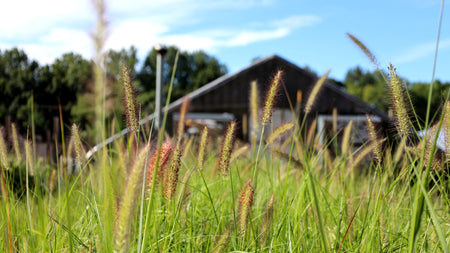
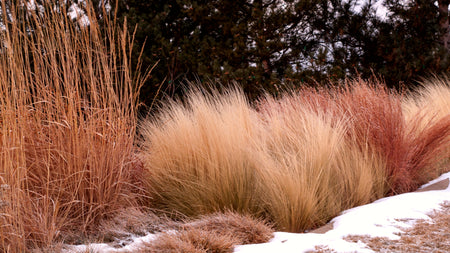
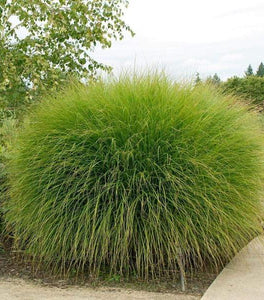
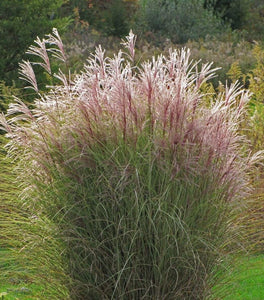
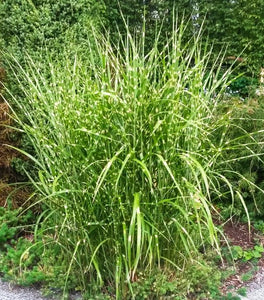
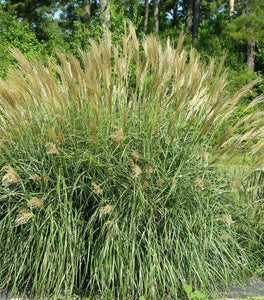
Images Depict Mature Plants
Miscanthus Bandwidth
Miscanthus sinensis 'Bandwidth'
Miscanthus Bandwidth is a good choice when a customer wants that striped Miscanthus look but does not have room for a big grass. The banding is bold, the habit stays upright, and the plant has enough presence to work in a container or as a repeating accent in the garden. The big advantage is that Bandwidth gives you the look of older zebra-style grasses with a much better size and seed profile. Give it sun, do not overfeed it, and cut it back once in late winter.

15% OFF SITEWIDE, USE CODE 'FALLPLANT15'
📦 Free shipping on orders over $99.
Delay shipping by leaving us a message at Checkout.
Share:Recommended Add-Ons



Miscanthus Bandwidth Adds Bold Striped Texture in a Compact Grass
Dwarf Maiden Grass With Bright Green-and-Gold Banding
Miscanthus Bandwidth is a compact ornamental grass with bold green foliage marked with bright horizontal gold bands. It gives homeowners the striped look they love in classic Miscanthus, but on a shorter, more upright plant that fits smaller garden spaces more easily. The foliage has a clean, architectural look that stands out in sunny borders, rock gardens, containers, and mixed perennial beds.
This dwarf maiden grass is especially useful when you want strong foliage color without relying on flowers. The banded blades create movement and contrast from summer into fall, pairing well with coneflowers, black-eyed Susans, sedum, catmint, salvia, junipers, and other sun-loving plants. Use it as a single accent, repeat it in groups, or tuck it into containers where its upright habit can act like a natural thriller.
Compact Upright Growth for Small Gardens and Containers
Bandwidth Miscanthus typically grows about 2.5 to 3 feet tall and wide, making it much easier to place than many larger Miscanthus grasses. It has an upright habit that gives structure without overwhelming nearby perennials or shrubs. That shorter size makes it a smart choice for foundation edges, patio plantings, driveway borders, courtyards, and sunny garden beds where a full-size grass would be too large.
Its compact form also makes it useful in decorative containers. Plant Miscanthus Bandwidth in a large patio pot for bold summer texture, then leave the foliage and plumes standing through winter for seasonal interest. In the landscape, it works well as a repeating accent, a low screen, a border feature, or a colorful contrast plant in modern, cottage, coastal, and naturalistic designs.
Golden Brown Plumes and Winter Interest Extend the Show
Miscanthus Bandwidth is grown primarily for foliage, but it can also produce golden brown plumes from fall into winter. The plumes rise above the striped foliage, adding a soft, airy texture late in the season. Because this grass flowers late, the effect is subtle, refined, and especially useful when many flowering perennials are winding down.
Leave the foliage and plumes standing through winter to enjoy the tan color, motion, and structure. The dried stems can catch frost and snow beautifully, giving the garden a finished look even in the off-season. Cut the clump back in late winter or early spring before new growth begins so the fresh banded foliage can emerge cleanly.
A Better Miscanthus Choice Where Reseeding Is a Concern
Some older Miscanthus varieties can raise concerns because they may seed into nearby landscapes in certain regions. Miscanthus Bandwidth was selected to help address that buyer concern. It is a triploid, infertile selection that rarely sets viable seed, making it a better choice for homeowners who want the ornamental value of Miscanthus with less worry about reseeding.
This is an important advantage when comparing Bandwidth to older zebra grass, porcupine grass, and larger Miscanthus varieties. It still offers strong foliage color, upright texture, drought tolerance once established, and winter interest, but in a compact form with much lower seed concerns. As always, gardeners should follow local guidance where Miscanthus restrictions exist, but Bandwidth is one of the more responsible ornamental Miscanthus choices for home landscapes.
Low-Maintenance Grass for Sun, Heat, and Average Soil
Miscanthus Bandwidth performs best in full sun, where it develops the strongest upright habit, brightest banding, and best plume display. It can tolerate part sun, but too much shade may reduce vigor or cause the plant to loosen. Plant it in average, well-drained soil and water regularly during the first growing season while roots establish.
Once established, Bandwidth is drought-tolerant, deer-resistant, rabbit-resistant, rust-resistant, and generally easy to maintain. It does not need heavy fertilizer, and overly rich conditions can make ornamental grasses less tidy. Give it sun, moderate water, and a late-winter cutback, and this compact Miscanthus will provide bold texture, color, and structure with very little fuss.
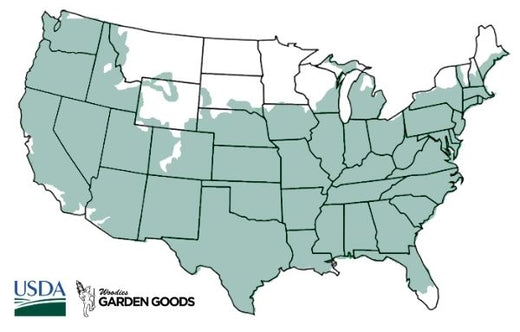
| Hardiness Zone: | 5-9 |
|---|---|
| Mature Height: | 2.5 to 3 Feet |
| Mature Width: | 2.5 to 3 Feet |
| Sunlight: | Full sun is best; tolerates part sun |
| Water Requirements: | Water regularly after planting; dry to average moisture once established |
| Soil | Average, well-drained soil; adapts to sandy, clay, and poorer soils once established |
| Bloom Time / Color | Late summer to fall; golden brown to tan plumes |
| Foliage: | Narrow green blades with bright horizontal gold banding |
| Ornamental Features | Dwarf size, bold banded foliage, upright habit, fall plumes, winter interest, rust resistance |
| Wildlife Value | Dense foliage provides seasonal cover; dried plumes and foliage add habitat structure |
| Resistance | Deer resistant, rabbit resistant, drought tolerant once established, rust resistant, low seed set/infertile |
| Landscape Uses | Small gardens, containers, sunny borders, rock gardens, mass plantings, accents, focal points, water garden edges, foundation plantings |
How to Care for Miscanthus Bandwidth
Before you buy a Miscanthus Bandwidth, read the recommended care instructions to keep this plant healthy and thriving.
-v1783457153366.png?92x91)
How should I plant Miscanthus Bandwidth?
Plant Miscanthus Bandwidth in full sun to part sun with average, well-drained soil. Full sun is best for the strongest upright habit, brightest green-and-gold banding, and best late-season plume display. Avoid deep shade, which can make ornamental grasses less vigorous and less upright. Dig a hole about twice as wide as the root ball and set the crown level with the surrounding soil. Backfill with native soil, water deeply, and mulch lightly around the base without burying the crown. Space plants about 30 to 36 inches apart so each clump has room to mature.
-v1783457175605.png?89x84)
How often should I water Miscanthus Bandwidth after planting?
Water Miscanthus Bandwidth deeply after planting and keep the soil evenly moist during the first growing season. During hot or dry weather, check the soil regularly and water when the top few inches begin to dry. Deep watering helps establish a stronger root system than frequent shallow watering. Once established, Bandwidth Miscanthus becomes more drought tolerant and usually performs well with dry to average moisture. In containers, water more often because pots dry out faster than garden beds. Avoid overwatering in winter, especially in containers or heavy soil.
-v1783457196449.png?90x89)
When should I fertilize Miscanthus Bandwidth?
Fertilize Miscanthus Bandwidth lightly in spring if the soil is poor or growth appears weak. A thin layer of compost or a modest application of balanced slow-release fertilizer is usually enough in average garden soil. This grass does not need heavy feeding to look good. Avoid overfertilizing, especially with high-nitrogen products. Too much fertility can encourage softer growth and may reduce the clean upright habit. In most landscapes, sun, spacing, and proper watering are more important than extra fertilizer.

When and how should I prune / cut back Miscanthus Bandwidth?
Leave Miscanthus Bandwidth standing through fall and winter so the foliage and plumes can provide structure, motion, and winter interest. The dried clump also helps protect the crown during cold weather. Cut the foliage back in late winter or early spring before new growth begins. Use clean pruners, hedge shears, or grass shears to cut the old stems down to about 3 to 6 inches above the ground. Avoid cutting into new green shoots once they begin emerging.