Images Depict Mature Plants
Horsetail Plant
Equisetum hyemale
Horsetail Plant is one of the best plants for clean vertical texture, but it needs to be respected. It looks fantastic in a container, beside a pond, or in a modern patio planting where those green jointed stems can stand like living architecture. I would not plant it loose in a small garden bed. Keep it contained, keep it moist, and it will give you a bold evergreen look that few other perennials can match.

15% OFF SITEWIDE, USE CODE 'FALLPLANT15'
📦 Free shipping on orders over $99.
Delay shipping by leaving us a message at Checkout.
Share:Recommended Add-Ons


Horsetail Plant Adds Evergreen Vertical Texture to Wet Garden Spaces
Ancient Evergreen Stems With a Modern Landscape Look
Horsetail Plant, also known as Equisetum hyemale or Scouring Rush, is a striking evergreen perennial grown for its tall, upright, bamboo-like stems. The deep green stems are jointed, hollow, and marked with dark bands at each node, giving the plant a clean architectural look that feels equally at home in modern landscapes, water gardens, and naturalistic wetland-style plantings.
This is a plant for homeowners who want structure more than flowers. Horsetail does not bloom like a traditional perennial. Instead, it reproduces by spores and grows from spreading underground rhizomes. Its strong vertical form makes it useful along pond edges, in rain gardens, beside patios, in large containers, or anywhere a bold, upright texture is needed.
A Water-Loving Plant for Ponds, Rain Gardens, and Boggy Soil
Horsetail Plant thrives in moist to wet soil and can handle conditions that cause many garden plants to fail. It is especially useful near ponds, streams, rain gardens, water features, drainage areas, and bog-style plantings. It can also grow in shallow standing water, making it a strong choice for controlled water garden settings.
Its moisture tolerance makes Horsetail useful where the goal is both beauty and function. Dense upright stems can help soften hard pond edges, add movement around water, and bring year-round green structure to damp sites. In average garden soil, the plant still needs consistent moisture to look its best, especially during hot or dry weather.
Best Used in Containers or Controlled Planting Areas
The most important thing to know before planting Horsetail is that it spreads aggressively by underground rhizomes. In the right conditions, it can form large colonies and become difficult to remove if planted freely in open ground. That vigor is useful when coverage is desired, but it must be managed carefully in home landscapes.
For most homeowners, the best approach is to grow Horsetail in a large container, a water garden pot, or a bed with a strong root barrier. Containers allow you to enjoy the plant’s bold vertical stems while keeping its roots from spreading into lawns, garden beds, or nearby natural areas. This is especially important in smaller landscapes and formal gardens.
Year-Round Structure for Modern and Naturalistic Designs
Because the stems are evergreen in many climates, the Horsetail Plant provides winter interest when many perennials have disappeared. The upright stems look especially good against stone, gravel, water, concrete, wood, and dark mulch. This makes it a favorite for modern, minimalist, Asian-inspired, and courtyard-style designs.
Horsetail can also be used in more naturalistic plantings when contained properly. Pair it with moisture-loving plants such as iris, cardinal flower, hardy hibiscus, swamp milkweed, rushes, sedges, ferns, and pond plants. Its rigid stems create a strong contrast with softer foliage and flowering perennials.
Low-Maintenance Once Contained, But Not Hands-Off
Horsetail Plant is durable, deer-resistant, and generally low-maintenance once planted in the right site. It does not need rich fertilizer or complicated pruning. The main care requirement is moisture, and the main maintenance task is containment. If stems become damaged, yellow, or untidy, they can be cut back at the base.
In late winter or early spring, remove old or damaged stems to refresh the planting. In containers, divide or repot when the plant becomes crowded. In garden beds, inspect edges regularly and remove any rhizomes that escape. Horsetail is easy to grow, but it should be treated as a controlled architectural plant rather than a casual groundcover.
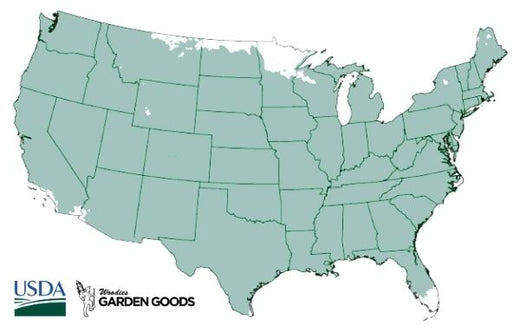
| Hardiness Zone: | 4-9 |
|---|---|
| Mature Height: | 3 to 5 feet |
| Mature Width: | spreads 2 to 4 feet or more if not contained |
| Sunlight: | Full sun to part shade |
| Water Requirements: | Moist to wet |
| Soil | Medium to wet soil; tolerates a wide range of soils when moisture is available |
| Bloom Time / Color | Does not flower; produces cone-like spore structures at stem tips |
| Foliage | Evergreen, Leafless-looking, jointed, hollow, dark green stems with black and gray banding at the nodes |
| Ornamental Features | Bold vertical stems, evergreen texture, modern architectural form, winter interest |
| Wildlife Value | Dense stems can provide cover in wetland-style plantings |
| Resistance | Generally considered deer resistant; tough silica-rich stems are not favored by browsing animals |
| Landscape Uses | Containers, water gardens, pond edges, rain gardens, bog gardens, stream edges, modern patios, controlled privacy screens, erosion-prone wet areas |
How to Care for Horsetail Plant
Be sure to read our planting instructions to ensure a healthy and happy Horsetail Plant for years to come!

How should I plant Horsetail Plant?
Plant Horsetail Plant in full sun to part shade with consistently moist to wet soil. It is best suited for containers, water garden pots, pond edges, rain gardens, and controlled wet-soil beds. If planting in the ground, use a strong root barrier or a sunken container to help prevent unwanted spread. Set the plant so the top of the root ball is level with the surrounding soil or container mix. Water thoroughly after planting and keep the soil consistently moist. For water gardens, use a heavy container that will not tip easily, and place it where the crown is not buried too deeply.

How often should I water Horsetail Plant after planting?
Water Horsetail Plant deeply after planting and keep the soil consistently moist while it establishes. This plant prefers wet conditions and should not be allowed to dry out for long periods, especially in containers or during hot weather. Once established, Horsetail can tolerate moist garden soil, boggy areas, and shallow standing water. Container-grown plants may need frequent watering unless the pot is partially submerged or set in a water-retentive location. The goal is steady moisture, not dry soil.

When should I fertilize Horsetail Plant?
Fertilize the Horsetail Plant lightly in spring only if growth appears weak or the plant is growing in a container where nutrients may leach out over time. A modest application of balanced slow-release fertilizer or a light topdressing of compost is usually enough. Avoid heavy feeding. Horsetail is naturally vigorous, and too much fertilizer is rarely needed. In wet, nutrient-rich sites near ponds or streams, it may not need any supplemental fertilizer at all.

When and how should I prune / cut back Horsetail Plant?
Prune Horsetail Plant by cutting damaged, yellow, broken, or winter-worn stems down at the base. This can be done anytime the plant looks untidy. A more complete cleanup can be done in late winter or early spring before the strongest new growth begins. If the plant is becoming too dense, thin older stems at the base to improve appearance and airflow. In containers, divide crowded clumps when necessary. In the ground, remove escaping rhizomes immediately and maintain the root barrier or containment system.