Images Depict Mature Plants
Blush Pink Nandina
Nandina domestica 'AKA'
Blush Pink™ Nandina is a strong choice when you need compact evergreen color without adding another plain green shrub to the landscape. The pink new growth gives it a fresh, lively look, while the red winter tones help carry the planting through the colder months. I like it in low hedges, containers, and foundation beds where its deer resistance, tidy habit, and year-round foliage color can do a lot of work with very little maintenance.

15% OFF SITEWIDE SALE
Use Code 'PRIMETIME15' At Checkout
📦 Free shipping on orders over $99.
Delay shipping by leaving us a message at Checkout.
Share:Recommended Add-Ons



Compact Pink Evergreen Color for Borders, Hedges, and Containers
Bright Pink New Growth with Year-Round Foliage Color.
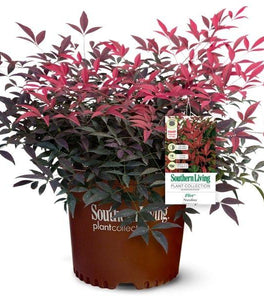
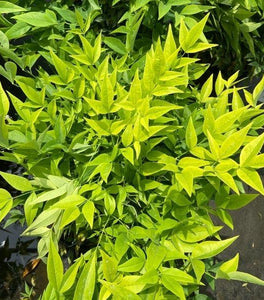
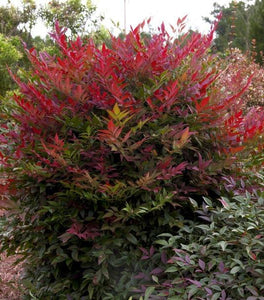
Blush Pink™ Nandina is a compact evergreen shrub grown for its colorful foliage and easy-care performance. New growth emerges in vivid blush-pink tones, creating a soft but eye-catching display through the growing season. As the leaves mature, they shift to deep green, then develop richer pink and red tones in fall and winter. This gives Blush Pink Nandina multi-season interest without depending on flowers for its main show.
A Dwarf Nandina with a Clean, Mounding Habit.
This dwarf nandina stays low, dense, and tidy, typically reaching about 2 feet tall and 1.5 to 2 feet wide. Its compact mounding form makes it easy to use where larger shrubs would overwhelm the planting. Blush Pink™ Nandina works well near walkways, along foundations, in small front-yard beds, around patios, and as a colorful low hedge where year-round structure matters.
Excellent for Mass Plantings, Borders, and Containers.
Nandina Blush Pink is especially effective when planted in groups, where the pink and red foliage create a larger sweep of color. Use it as a border shrub, a low hedge, a foundation accent, or a container plant for porches and patios. Its fine-textured foliage also pairs beautifully with boxwoods, hollies, loropetalum, abelia, ornamental grasses, heuchera, and other colorful foliage plants.
Low-Maintenance Color for Sun or Part Shade.
Blush Pink™ Nandina grows in full sun to part shade, with strong foliage color in bright light and reliable performance in partially shaded beds. It prefers well-drained soil and regular watering during establishment. Once rooted in, it is relatively drought-tolerant and requires very little pruning. A light spring shaping is usually all that is needed if you want to maintain a tighter form.
Deer-Resistant Evergreen Structure with Smart Placement.
Blush Pink Nandina is considered deer-resistant, making it useful in landscapes with high browsing pressure. It is also valued for pest resistance, disease resistance, compact growth, and year-round foliage interest. Like other nandinas, the foliage should not be eaten by pets or livestock, so plant it where animals are not likely to graze. Used thoughtfully, it is a dependable evergreen color shrub for low-maintenance landscape designs.
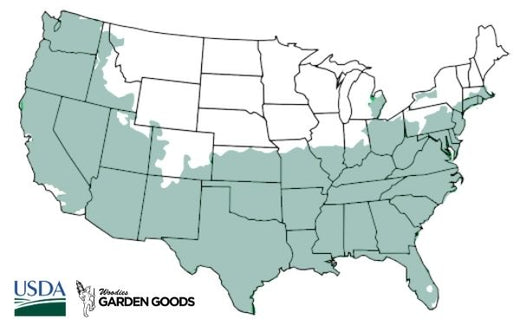
| Hardiness Zone: | 6-10 |
|---|---|
| Mature Height: | 1.5 to 2 feet |
| Mature width: | 1.5 to 2 feet |
| Sunlight: | Full sun to part shade; part shade is helpful in hot climates |
| Soil: | Average, well-drained soil |
| Water: | Moderate during establishment; drought tolerant once established |
| Bloom Time / Color: | Not grown for flowers; typically non-flowering |
| Foliage: | Evergreen; Pink new growth maturing to green, with red to pink winter color |
| Ornamental Features: | Pink new growth, red winter foliage, dwarf mounding habit, evergreen color |
| Wildlife Value: | Evergreen foliage provides year-round structure; not recommended where animals may graze |
| Resistance: | Deer resistant, disease resistant, pest resistant, drought tolerant once established |
| Landscape Uses: | Borders, containers, low hedges, mass plantings, foundation beds, edging, mixed shrub borders, curb appeal plantings |
How to Care for Blush Pink Nandina
Before you purchase your Blush Pink Nandina shrub, be sure to read the recommended care instruction to ensure your plant remains happy and healthy for years to come!

How should I plant Blush Pink Nandina?
Plant Blush Pink Nandina in full sun to part shade where the soil drains well. In hot climates, a location with morning sun and afternoon shade can help protect the foliage while still encouraging strong color. Avoid low spots where water sits around the roots for long periods. Dig a hole about twice as wide as the root ball and just as deep. Set the plant so the top of the root ball is level with or slightly above the surrounding soil, then backfill gently and water thoroughly. Add a 1- to 2-inch layer of mulch around the root zone to conserve moisture, keeping mulch pulled back from the base of the shrub.

How often should I water Blush Pink Nandina after planting?
Water Blush Pink Nandina deeply after planting and keep the soil evenly moist during the first growing season. Check the soil regularly during hot or dry weather, and water when the top few inches begin to dry. Deep watering helps the roots grow into the surrounding soil and supports stronger long-term performance. Once established, Blush Pink Nandina is relatively drought-tolerant, but it will look best with occasional deep watering during extended dry periods. Container-grown plants may need more frequent watering than in-ground shrubs because pots dry out faster. Avoid soggy soil, especially in heavy clay or poorly drained containers.
-v1778160333254.png?90x89)
When should I fertilize Blush Pink Nandina?
Fertilize Blush Pink Nandina in early spring as new growth begins. Use a balanced slow-release shrub fertilizer or a light topdressing of compost to support healthy foliage color and steady growth. A single spring feeding is usually enough for established plants growing in good soil. Avoid heavy late-season fertilizing, which can push tender new growth before winter. If the shrub is growing well and producing strong pink new foliage, it does not need excessive feeding. Too much fertilizer can encourage soft growth and reduce the plant’s naturally compact habit.

When and how should I prune Blush Pink Nandina?
Blush Pink Nandina rarely needs heavy pruning because it naturally stays compact and rounded. If shaping is needed, prune lightly in late winter or early spring before the main flush of new growth begins. Remove any dead, damaged, or out-of-place stems to keep the plant tidy. For a more natural look, use selective hand pruning rather than shearing the whole shrub. Light pruning can encourage fresh, colorful growth, but avoid cutting the plant back too hard unless renovation is needed. Most plants only need occasional touch-up pruning to maintain their shape.