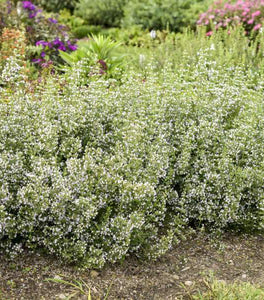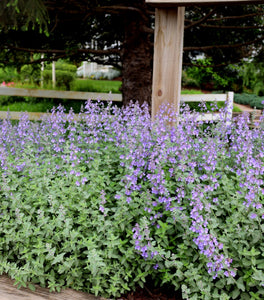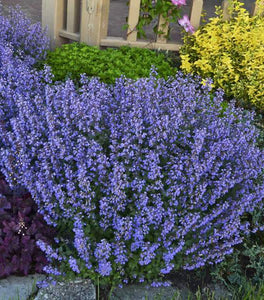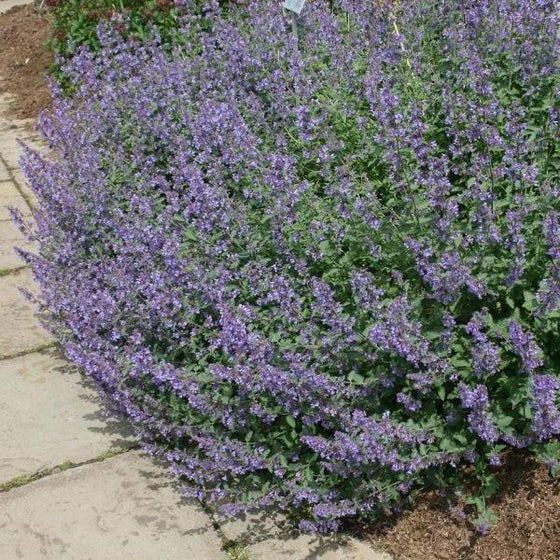

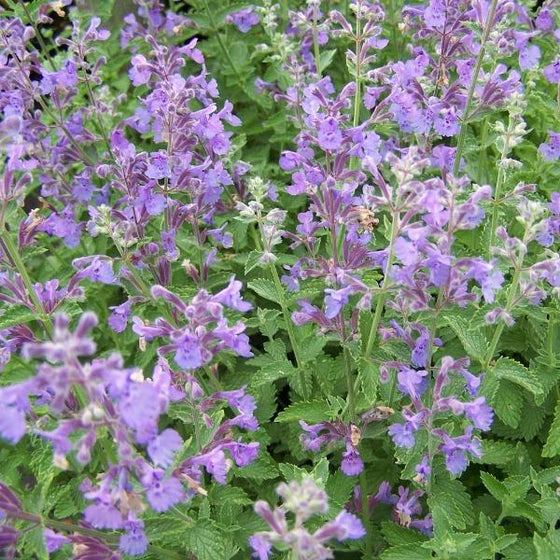
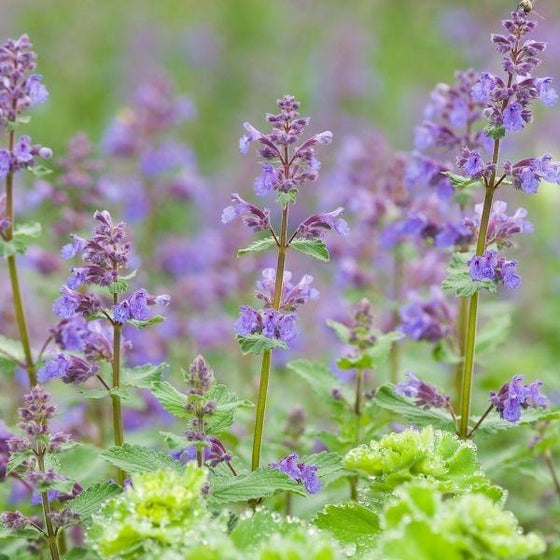


Images Depict Mature Plants
Walker’s Low Catmint
Nepeta x faassenii 'Walker's Low'
Walker’s Low Catmint is one of the best perennials for making a sunny border look full, soft, and pollinator-friendly without much fuss. It is especially good around roses because the lavender-blue flowers and gray-green foliage make rose colors look even better. I like it along walkways, spilling over stone edges, and repeated in drifts through full sun beds. Give it drainage, do not overfeed it, and shear it after the first bloom to keep the color coming.

15% OFF SITEWIDE SALE
Use Code 'PRIMETIME15' At Checkout
📦 Free shipping on orders over $99.
Delay shipping by leaving us a message at Checkout.
Share:Recommended Add-Ons



Long-Blooming Blue Catmint for Sunny Borders, Roses, and Pollinator Gardens
A Proven Catmint with Soft Blue Color.
Walker’s Low Catmint is a classic sun perennial grown for its waves of lavender-blue flowers, aromatic gray-green foliage, and relaxed mounding habit. It brings a soft, romantic look to sunny borders, cottage gardens, rose beds, pollinator plantings, and low-maintenance perennial combinations. Despite the name, Walker’s Low is not always tiny; it can form a generous, billowing mound that creates beautiful movement along bed edges and walkways.
Long Blooming Flowers from Spring into Summer.
This dependable Nepeta begins blooming in late spring to early summer and can continue flowering for weeks, especially when lightly sheared after the first flush. The lavender-blue flowers rise above the fragrant foliage, creating a hazy, cooling effect in the landscape. Plant it in drifts for the strongest visual impact, or use it as a soft edging plant that spills gracefully over stone, paths, and border fronts.
A Favorite Companion for Roses and Perennials.
Walker’s Low Catmint pairs beautifully with roses because its blue flowers, silvery foliage, and airy texture complement pink, red, white, yellow, and apricot blooms. It also works well with salvia, yarrow, coneflowers, coreopsis, lavender, allium, ornamental grasses, sedum, and Russian sage. Use it where you want color, fragrance, and pollinator activity without a high-maintenance care routine.
Deer Resistant, Pollinator Friendly, and Drought Tolerant.
The aromatic foliage helps make Walker’s Low Catmint less appealing to deer, while the flowers attract bees, butterflies, hummingbirds, and other beneficial pollinators. Once established, it is drought-tolerant and well-suited for sunny, well-drained landscapes. No plant is completely deer-proof, but Nepeta is one of the stronger perennial choices for deer-aware gardens.
Easy Care in Full Sun and Well-Drained Soil.
Plant Walker’s Low Catmint in full sun with well-drained soil. It thrives in average to lean garden soil and usually does not need heavy fertilizer. After the first major bloom, shear plants back by about one-third to encourage fresh foliage and additional flowers. Cut old stems back in late fall or early spring, and divide mature clumps only when needed to refresh vigor or manage size.
2007 Perennial Plant of the Year
| Botanical Name | Nepeta x faassenii ‘Walker’s Low’ |
|---|---|
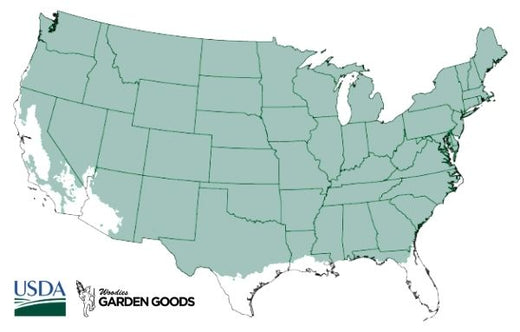
| Hardiness Zone: | 3-8 |
| Mature Height: | 18 to 24 inches |
| Mature Width: | 24 to 30 Inches |
| Sunlight: | Full sun; tolerates light part shade with reduced flowering |
| Soil Condition: | Average to lean, well-drained soil |
| Water Requirements: | Average during establishment; drought tolerant once established |
| Bloom Time / Color | Late spring into summer; lavender-blue flowers with repeat bloom after shearing |
| Ornamental Features | Long bloom season, lavender-blue flowers, fragrant foliage, soft mounding habit |
| Wildlife Value | Attracts bees, butterflies, hummingbirds, and other pollinators |
| Resistance | Deer resistant, drought tolerant once established, heat tolerant, low maintenance |
| Landscape Uses | Sunny borders, rose companions, edging, pollinator gardens, cottage gardens, mass plantings, rock gardens, walkway edges, low-maintenance perennial beds, groundcover-style plantings |
How to Care for Walker’s Low Catmint
aBefore you buy a Walker’s Low Catmint Plant, make sure to read about the recommended care instructions to keep this plant healthy and thriving.

How should I plant Walker’s Low Catmint?
Plant Walker’s Low Catmint in full sun with well-drained soil. Choose a location that receives at least 6 hours of direct sun per day for the strongest bloom, best shape, and most reliable performance. Avoid soggy soil or low areas where water sits after rain. Dig a hole about twice as wide as the root ball and no deeper than the container. Set the crown level with the surrounding soil, backfill gently, and water thoroughly. Space plants about 24 to 30 inches apart if you want each clump to mature fully and create a soft, billowing edge.

How often should I water Walker’s Low Catmint after planting?
Water Walker’s Low Catmint deeply after planting and keep the soil lightly moist while roots establish. During the first growing season, water when the top few inches of soil become dry, especially during hot, windy, or dry weather. Once established, Walker’s Low Catmint is drought tolerant and usually needs less supplemental water. Deep, occasional watering during extended dry periods is better than frequent shallow watering. Avoid constantly wet soil, which can weaken the plant and reduce long-term performance.

When should I fertilize Walker’s Low Catmint?
Walker’s Low Catmint usually needs little to no fertilizer in average garden soil. If growth is weak, apply a light layer of compost or a low-rate slow-release fertilizer in spring as new growth begins. Avoid heavy feeding, especially with high-nitrogen fertilizer. Too much fertility can produce soft, floppy growth and fewer flowers. Full sun, good drainage, and timely trimming are more important than rich soil.

When and how should I prune Walker’s Low Catmint?
Shear Walker’s Low Catmint after the first major bloom flush to encourage fresh foliage and repeat flowering. Cutting the plant back by about one-third helps keep the mound tidy and prevents it from opening up in the center. Cut back old stems in late fall after frost or in early spring before new growth emerges. If plants become too wide, crowded, or less vigorous after several years, divide clumps in spring to refresh growth and manage size.