
Container Garden Chiller Plants for Cool-Season Color
The contrast plants that calm, balance, and complete container gardens.
Container gardens can sometimes feel busy, with bright flowers, bold foliage, and trailing plants all competing for attention. That’s where chillers come in. Chillers are the plants that bring balance to the design. They’re usually foliage-focused plants with cooler tones like silver, blue, white, or chartreuse, and their job is to calm the composition and tie the whole container together. When used correctly, chillers make the colors around them look richer and more intentional.
This collection focuses on plants that act as visual “breathing room” in container gardens. They sit comfortably between thrillers, fillers, and spillers, helping unify the arrangement instead of competing with it. Whether you’re designing bold seasonal planters or subtle porch containers with evergreen structure, chillers provide contrast, texture, and polish. Once the right chiller is in place, the entire container design feels more refined.

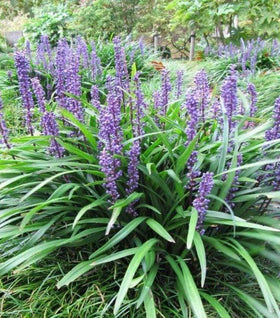
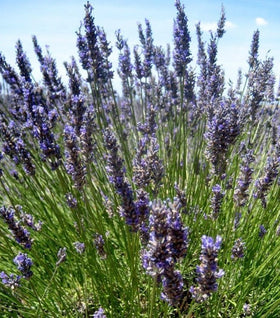
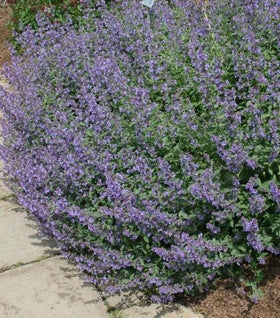

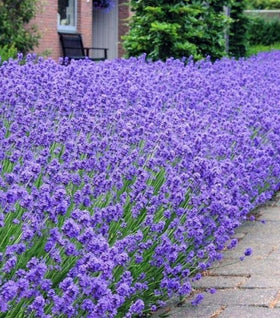
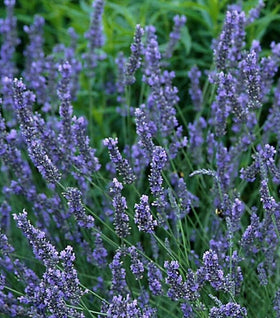
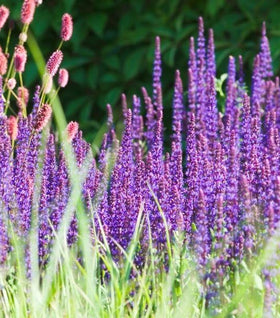
Munstead Lavender
As Low As $32.95


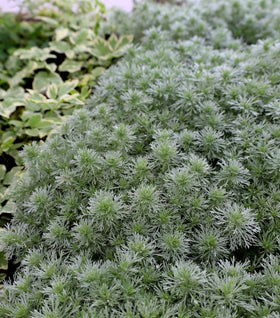
Royal Candles Veronica
As Low As $18.95


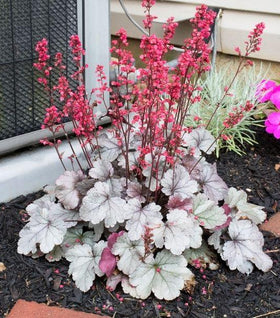
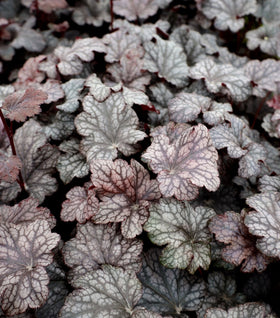
Dolce® Silver Gumdrop Heuchera
$44.95
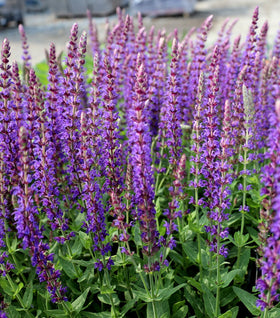






Dianthus Bath's Pink
As Low As $18.95


Create balanced container gardens with chillers.
Chillers play a subtle but essential design role in container gardens. While thrillers create height and fillers provide mass, chillers add visual balance. Their calmer colors and refined textures help prevent containers from looking overcrowded or chaotic, especially when multiple flowering plants are involved.
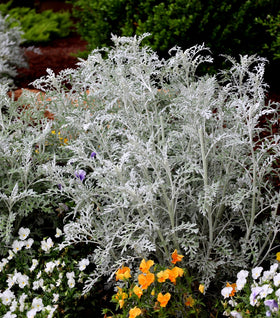
Most chillers are foliage plants with distinctive leaf color or texture. Silver leaves, blue tones, soft gray foliage, or bright chartreuse varieties create contrast against both flowering fillers and darker green thriller plants. These tonal differences help visually separate plant layers, allowing each plant in the container to stand out more clearly.
In larger containers, chillers often work best when repeated. Two or three plants with similar foliage tones can quietly unify the design without overpowering the main elements. This repetition helps containers feel cohesive while still allowing the thriller and filler plants to deliver the primary visual impact.
Foliage, texture, and contrast that elevate containers.
Unlike many filler plants, chillers typically emphasize foliage instead of flowers. This makes them especially valuable in container gardens where color combinations can quickly become overwhelming. Their leaves provide visual structure that remains attractive even when flowering plants pause between bloom cycles.
Texture is another key advantage. Fine, feathery foliage can soften bold architectural thrillers, while broader leaves can anchor delicate spillers cascading over the rim. By carefully mixing textures, container gardens gain depth and dimension without additional plants.
Many chillers also transition beautifully between seasons. A cool-toned foliage plant that complements bright annuals in summer may also pair perfectly with fall container accents. Because their role is visual balance rather than seasonal bloom, they remain useful in container designs throughout multiple planting cycles.
Place chillers where they enhance the design.
Chillers typically sit between fillers and spillers in the container layout. They are positioned slightly inside the rim of the pot, where their foliage can bridge the mid-layer of the planting and the trailing plants along the edge.
Light conditions should always guide plant selection. Some foliage plants thrive in full sun and develop their best color under bright exposure, while others hold their strongest tones in partial shade. Matching the plant to the light conditions on your porch or patio keeps foliage vibrant and growth balanced.
Spacing is also important for maintaining a clean look. Chillers should have enough room for their foliage to expand without covering neighboring plants. When positioned properly, they frame the container composition instead of competing with the thriller or fillers.
Easy care that keeps chillers looking fresh.
Like all container plants, chillers depend on consistent watering and steady nutrition. Frequent watering can wash nutrients out of potting soil, so regular feeding during active growth helps foliage plants maintain strong color and healthy growth.
Light pruning or trimming may occasionally help maintain shape and prevent foliage from crowding nearby plants. Removing damaged leaves or lightly shaping growth helps keep the container tidy while allowing the plant to retain its natural form.