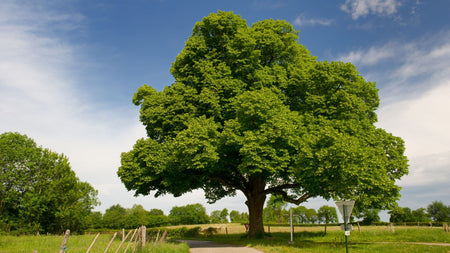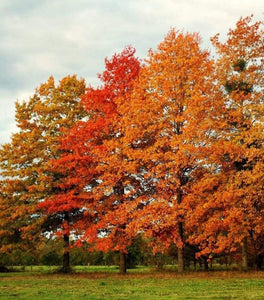


Images Depict Mature Plants
Dunstan Chestnut Tree
Castanea dentata 'Dunstan'
Dunstan Chestnut Tree is one of those plants that give you plenty of reasons to be excited about putting a tree in the ground. It grows quickly, produces sweet chestnuts, and has a lot more long-term confidence built into it than people usually associate with chestnuts because of the blight-resistant background. For bigger landscapes, backyard orchards, and wildlife-minded plantings, this is a really strong tree to invest in.

15% OFF SITEWIDE SALE
Use Code 'PRIMETIME15' At Checkout
📦 Free shipping on orders over $99.
Delay shipping by leaving us a message at Checkout.
Share:


A Blight-Resistant Chestnut Tree for Sweet Nuts and Long-Term Value
A Modern Chestnut with Classic American Appeal
Dunstan Chestnut Tree is one of the most exciting nut trees homeowners can plant when they want both edible harvests and long-term landscape value. This hybrid combines the form and flavor qualities people admire in the historic American chestnut with the disease resistance of the Chinese chestnut, creating a tree that feels both practical and meaningful.
This is more than just another orchard tree. It is a chestnut chosen for resilience, productivity, and the chance to grow a tree that connects modern landscapes to one of America’s most storied native tree traditions.
Sweet Edible Chestnuts with Real Homegrown Value
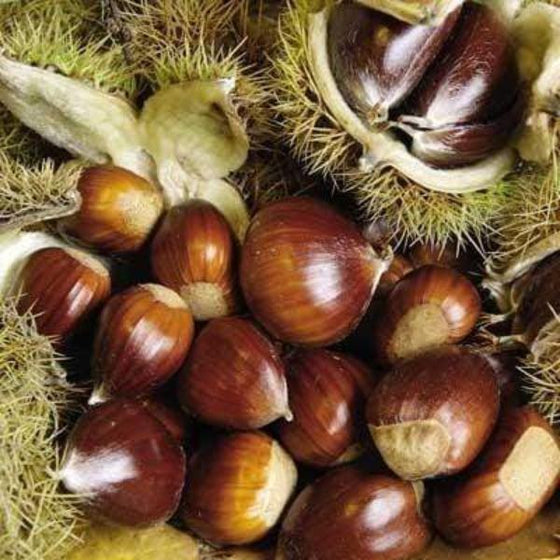
One of the biggest reasons to plant Dunstan Chestnut is the nut crop. Once mature, the tree produces sweet edible chestnuts that can be roasted, cooked, or enjoyed as part of a home harvest. The nuts are also highly attractive to wildlife, which adds another layer of usefulness for larger properties.
That edible value makes the tree especially rewarding. Homeowners get both a beautiful, long-lived planting and a productive nut tree that can contribute to backyard food growing for years to come.
Fast Growth for Quicker Landscape Impact
Dunstan Chestnut Tree is also valued for its vigorous growth rate. Compared with many other nut trees, it establishes relatively quickly and begins creating meaningful height and canopy sooner, which makes it especially appealing for homeowners who want a tree that starts making a visible difference in the landscape faster.
That fast growth adds to its overall value as both an orchard tree and a specimen. It can help fill a space, create shade, and begin developing into a substantial feature sooner than many slower-growing nut trees.
Blight-Resistant and Built for Modern Growing
One of the most important reasons Dunstan Chestnut stands out is its resistance to blight. The hybrid breeding behind this tree makes it a strong choice for growers who want chestnuts but need a more dependable, modern option than a pure American chestnut.
That resistance is central to the tree’s appeal. It gives homeowners and landowners access to the chestnut experience with much stronger long-term confidence and broader planting potential.
A Great Fit for Orchards, Larger Landscapes, and Wildlife Plantings
Dunstan Chestnut Tree works best where it has room to grow and where its nut production can be fully appreciated. It is especially effective in backyard orchards, homesteads, larger edible landscapes, and wildlife-focused plantings where the tree can serve both people and the surrounding environment.
For homeowners who want a blight-resistant chestnut tree with sweet nuts, fast growth, and strong long-term value, the Dunstan Chestnut Tree is an excellent choice. It offers productive harvests, wildlife appeal, and a meaningful landscape presence in one standout planting.
Be sure to check out our blog: What Happened To The Chestnut Tree?
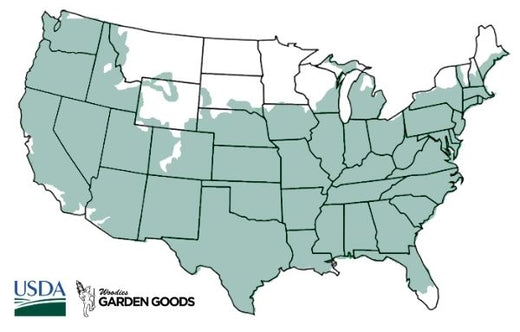
| Hardiness Zone: | 5-9 |
|---|---|
| Mature Height: | 40 to 60 feet |
| Mature Width: | 35 to 40 feet |
| Sunlight: | Full sun |
| Soil | Well-drained soil |
| Water | Moderate; water regularly during establishment |
| Bloom Time / Color | Late spring to early summer; pale catkins |
| Nut Time / Color | Fall; sweet edible chestnuts in spiny burrs |
| Taste / Nut Use | Sweet chestnut flavor; roasting, cooking, home harvest |
| Ornamental Features | Upright spreading habit, glossy green foliage, broad shade canopy |
| Pollination | Cross-pollination recommended; plant two or more chestnuts nearby |
| Wildlife Value | Highly attractive to deer, turkey, and other wildlife |
| Resistance (disease/drought/etc.) | Blight resistant; generally low-maintenance once established |
| Landscape Uses | Backyard orchard, wildlife planting, edible landscape, shade tree, homestead planting |
How to Care for Dunstan Chestnut Tree
Before you buy a Dunstan Chestnut Tree, make sure to read the recommended care instructions to keep this plant healthy and flourishing.

How should I plant Dunstan Chestnut Tree?
Plant Dunstan Chestnut Tree in a full sun location with well-drained soil and enough room for its mature canopy to develop. Dig a hole about twice as wide as the root ball and no deeper than the root ball itself, then place the tree so the root flare sits at or slightly above the surrounding soil level. This helps encourage strong root establishment and reduces the risk of decline from planting too deeply. Backfill with native soil, water thoroughly, and mulch around the base to help conserve moisture and reduce weed competition. Keep mulch a few inches away from the trunk. If planting multiple chestnuts for nut production, allow enough room for mature spread while keeping compatible trees within practical pollination distance.
-v1776187050865.png?89x84)
How often should I water Dunstan Chestnut Tree after planting?
Water Dunstan Chestnut Tree deeply right after planting, then continue watering regularly during the establishment period. In most landscapes, that means a deep soaking once or twice per week depending on rainfall, temperature, and soil drainage. The goal is evenly moist soil while the tree develops a strong root system. Once established, Dunstan Chestnut becomes easier to manage, but it still performs best when not subjected to repeated severe drought, especially while young. Deep watering is much better than frequent shallow watering because it encourages stronger roots and better long-term performance.

When should I fertilize Dunstan Chestnut Tree?
Fertilize Dunstan Chestnut Tree only if needed, especially if growth appears weak or the soil is poor. If feeding is necessary, early spring is usually the best time to apply compost or a balanced fertilizer to support steady growth without encouraging overly soft weak shoots. Avoid overfeeding healthy trees. In many cases, proper sun exposure, good drainage, and regular watering during establishment matter more than aggressive fertilization. The goal is strong balanced growth and dependable long-term nut production.

When and how should I prune Dunstan Chestnut Tree?
Dunstan Chestnut Tree benefits from structural pruning while young to build a strong framework and maintain a single central leader. Late winter to very early spring is usually the best time to prune, while the tree is dormant and before active growth begins. Pruning should focus on removing dead, damaged, or crossing branches and thinning crowded areas enough to improve airflow and sunlight penetration. As the tree matures, light structural pruning is usually all that is needed to maintain healthy growth and support strong nut production.