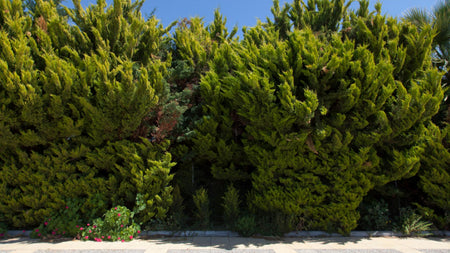
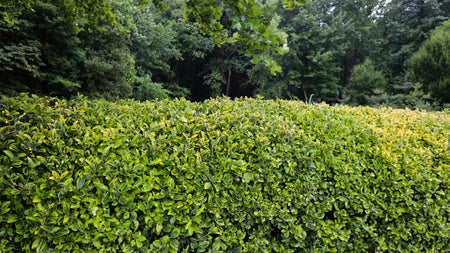
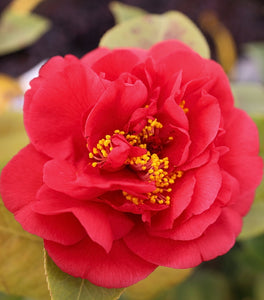
Images Depict Mature Plants
Fragrant Tea Olive
Osmanthus fragrans
Fragrant Tea Olive is one of those plants you place where people can actually enjoy it. The flowers are small, but the scent is powerful, so I like it near walkways, patios, doors, and windows. It also gives you glossy evergreen structure, which makes it more useful than a one-season flowering shrub. Give it warmth, drainage, and a little protection in colder edge zones.

20% OFF NON-SALE PRODUCTS, USE CODE 'LABORDAY20'
📦 Free shipping on orders over $99.
Delay shipping by leaving us a message at Checkout.
Share:

A Sweetly Fragrant Evergreen Shrub for Patios, Entries, and Screens
Powerful Fragrance from Small White Flowers
Fragrant Tea Olive is a broadleaf evergreen shrub or small tree prized for one unforgettable feature: fragrance. Its small, creamy white flowers may be modest in size, but their sweet perfume can fill the garden when the plant is in bloom. The scent is often described as rich, fruity, apricot-like, or jasmine-like, making this one of the best fragrant evergreen shrubs for warm-climate landscapes.
Also known as Sweet Olive, Fragrant Olive, and Sweet Osmanthus, this plant is especially valuable near patios, porches, walkways, windows, garden gates, and entryways where the fragrance can be enjoyed up close. It is a strong choice for homeowners who want a shrub that contributes both structure and scent.
Glossy Evergreen Foliage for Year-Round Structure
Fragrant Tea Olive has dense, glossy green foliage that remains attractive year-round in mild climates. The leaves create a polished evergreen backdrop even when the plant is not in bloom, making it useful as a foundation shrub, privacy screen, hedge, or large accent.
Its naturally upright habit can be maintained as a shrub or allowed to mature into a small tree form over time. With thoughtful placement, Fragrant Tea Olive can add height, structure, and four-season greenery while still feeling softer and more refined than many traditional screening evergreens.
Blooming Power in Spring, Fall, and Mild Weather
Fragrant Tea Olive is known for its spring and fall bloom periods, with the potential for additional scattered blooms during mild weather. The flowers are usually white to creamy white and appear in small clusters tucked among the leaves.
Because the flowers are small, this plant should not be sold as a showy flowering shrub like hydrangea or azalea. Its value lies in the fragrance, evergreen foliage, and long season of subtle blooms. Planting it where people pass by regularly helps homeowners get the most enjoyment from the flowers.
Ideal for Hedges, Screens, Specimens, and Containers
Use Fragrant Tea Olive as an evergreen hedge, privacy screen, patio shrub, foundation accent, specimen shrub, or fragrant backdrop in mixed borders. It also performs well in large containers in climates that require winter protection or where patio placement is desired.
In the landscape, it pairs beautifully with gardenias, camellias, hollies, boxwood, loropetalum, azaleas, hydrangeas, and shade-tolerant perennials. Its fragrance makes it especially useful in sensory gardens and outdoor living areas where scent is part of the design.
Easy Care in Warm, Well-Drained Sites
Plant Fragrant Tea Olive in full sun to part shade with well-drained soil. In hotter climates, morning sun with light afternoon shade can help protect foliage from stress. The plant prefers moist, fertile, slightly acidic to neutral soil, but is adaptable once established.
Water regularly after planting until the root system develops. Once established, Fragrant Tea Olive can tolerate short dry periods, though it looks and blooms best with consistent moisture. Prune lightly after a main bloom period if shaping is needed, and avoid heavy pruning that removes mature flowering wood.

| Hardiness Zone: | 8-11 |
|---|---|
| Mature Height: | 10 to 15 Feet |
| Mature Width: | 6 to 10 Feet |
| Sunlight: | Full sun to part shade; afternoon shade helpful in hot climates |
| Soil: | Moist, fertile, well-drained soil; slightly acidic to neutral soil preferred |
| Water: | Water regularly after planting; moderate moisture preferred; drought tolerant once established |
| Bloom Time / Color: | Spring and fall, with possible scattered bloom in mild weather; small creamy white to white flowers |
| Foliage: | Glossy green evergreen leaves |
| Ornamental Features: | Intensely fragrant flowers, glossy evergreen foliage, dense habit, hedge/screen potential, small-tree form |
| Wildlife Value: | Flowers may attract pollinators; evergreen foliage provides structure and cover |
| Resistance: | Low maintenance; drought tolerant once established; generally pest resistant; deer resistance varies by source and local pressure |
| Landscape Uses: | Fragrant hedge, privacy screen, foundation shrub, patio shrub, entry planting, specimen shrub, small tree, large container, sensory garden, mixed evergreen border |
How to Care for Fragrant Tea Olive
Be sure to read our planting instructions to ensure a healthy and happy Fragrant Tea Olive for years to come!
-v1781801007760.png?92x91)
How should I plant Fragrant Tea Olive?
Plant Fragrant Tea Olive in full sun to part shade with well-drained soil. Choose a location near a patio, entry, walkway, window, or outdoor seating area so the fragrance can be enjoyed when the plant blooms. In hotter climates, morning sun with afternoon shade is often ideal. Dig a hole about twice as wide as the root ball and just as deep. Set the top of the root ball level with the surrounding soil, backfill with native soil, and water thoroughly. Apply mulch around the root zone, keeping mulch several inches away from the trunk or main stems.
-v1781801023213.png?89x84)
How often should I water Fragrant Tea Olive after planting?
Water Fragrant Tea Olive deeply after planting, then keep the soil evenly moist while the roots establish. During the first growing season, water when the top few inches of soil begin to dry, especially during heat, wind, or drought. Established plants can tolerate short dry periods, but they look and bloom best with consistent moisture. Deep watering during extended dry spells helps protect foliage quality and supports better flower production.
-v1781801037530.png?90x89)
When should I fertilize Fragrant Tea Olive?
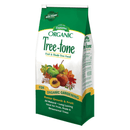
Fertilize Fragrant Tea Olive in early spring if growth is weak or soil fertility is low. Use a balanced slow-release fertilizer for evergreen shrubs or topdress with compost to support steady growth. Avoid heavy late-season fertilizing, which can encourage tender growth before cold weather. In many landscapes, mulch, compost, and proper watering are enough to keep the plant healthy.

When and how should I prune Fragrant Tea Olive?
Prune Fragrant Tea Olive lightly after a main bloom period if shaping is needed. Remove dead, damaged, crossing, or awkward branches, and selectively shorten long shoots to maintain the desired size and shape. Avoid heavy shearing right before bloom because Fragrant Tea Olive flowers on mature wood. Light, selective pruning preserves the natural form and helps maintain more flowering potential than severe annual cutting.