
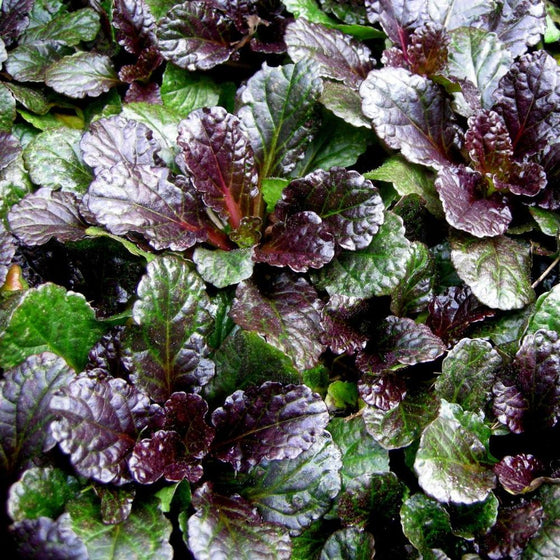


Images Depict Mature Plants
Ajuga Black Scallop
Ajuga reptans 'Black Scallop'
Ajuga Black Scallop is a great little ground cover when you need dark color down low in the garden. It is especially useful in shade, where that glossy near-black foliage can make hostas, ferns, heuchera, and gold-leaved plants look even better. Give it even moisture, do not bury the crown, and keep an eye on the runners once it settles in. Used in the right spot, it is one of the easiest ways to turn bare shaded soil into a finished-looking planting.

Save Up to 25% On Your Order! Limited Time Only!
Discount Applied Automatically At Checkout
📦 Free shipping on orders over $99.
Delay shipping by leaving us a message at Checkout.
Share:



Ajuga Black Scallop Adds Glossy Near-Black Color to Shade Gardens
Dark, Glossy Foliage That Makes Garden Colors Pop
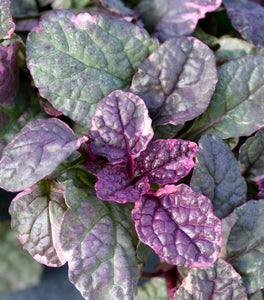
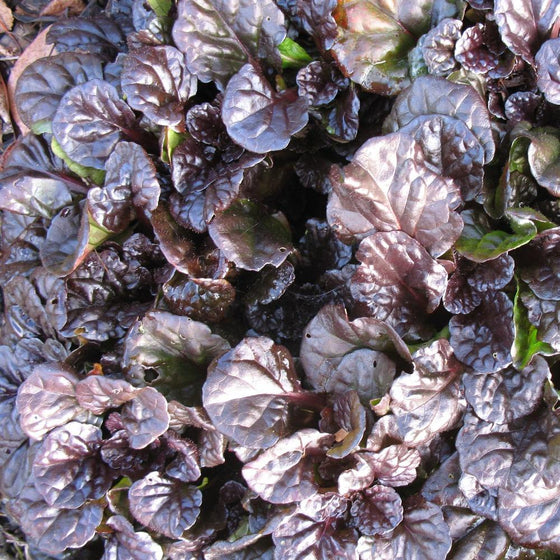
Ajuga Black Scallop is a low-growing perennial ground cover prized for its glossy, deep burgundy to near-black foliage. The rounded leaves have scalloped edges that create a textured, polished look, making this plant especially useful where you want bold contrast without relying only on flowers. It is one of the best ajugas for adding dark color beneath shrubs, along paths, around stepping stones, and in shaded planting beds.
The near-black foliage is especially striking when paired with gold, chartreuse, silver, blue, or variegated plants. Use it near hostas, heuchera, carex, ferns, Japanese forest grass, lamium, or spring bulbs to create contrast at ground level. In containers, Black Scallop works beautifully as a dark trailing or spreading accent around taller shade plants.
Blue Spring Flowers Above a Low Spreading Mat
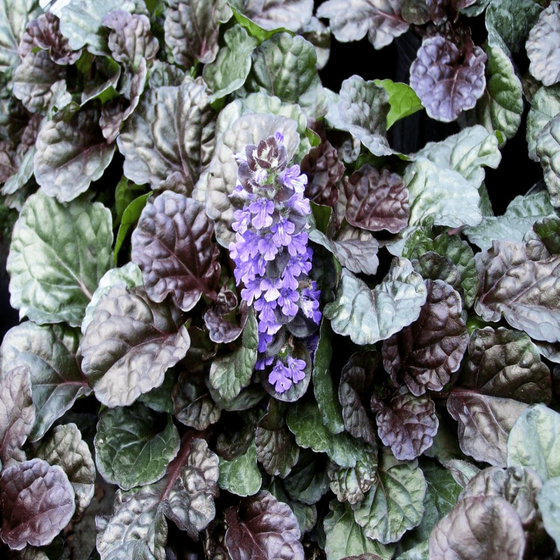
In spring, Ajuga Black Scallop sends up short spikes of deep blue to violet-blue flowers above the dark foliage. The bloom color creates a rich blue-and-black contrast that looks especially sharp in mass plantings, woodland beds, and container combinations. The flowers also provide early-season interest for bees and other pollinators as the garden wakes up.
Even though the spring blooms are attractive, this plant earns its place mostly through foliage. After flowering, the dark leaves continue to form a dense carpet, helping cover bare soil and soften hard edges. Trim spent flower spikes if you prefer a cleaner look, or let the planting keep its natural ground cover texture.
A Useful Ground Cover for Shade, Part Shade, and Moist Sites
Ajuga Black Scallop performs best in part shade to full shade with average to moist, well-drained soil. It tolerates more sun when soil moisture is consistent, and the darkest foliage color is often strongest in brighter light and cooler temperatures. In hot climates, afternoon shade helps protect the foliage from stress.
This ground cover is especially helpful in places where lawn grass struggles, including beneath open shrubs, along shaded walkways, near woodland edges, on gentle slopes, and in moist border pockets. It prefers even moisture and should not be planted in extremely dry shade where tree roots pull water from the soil all season. Add compost and mulch lightly where needed to help the planting establish.
Compact Spreading Growth for Edging, Containers, and Bare Soil Coverage
Ajuga Black Scallop forms a low mat of spreading rosettes that typically stays around 2 to 6 inches tall in foliage, with flower spikes reaching slightly higher in spring. Over time, it spreads by runners to fill open soil, creating a dense carpet that can help reduce weeds and give garden beds a finished look.
Because it spreads, Black Scallop is best used where a ground cover is wanted. Edge or trim runners as needed to keep it out of lawns, paths, or delicate neighboring perennials. This controlled maintenance is simple and gives homeowners the benefit of a living-mulch-style plant without letting it spread beyond the intended space.
Deer-Resistant Color With Easy Seasonal Maintenance
Ajuga Black Scallop is generally considered deer-resistant and low-maintenance, making it a useful choice for shaded gardens where browsing can be a concern. It is evergreen to semi-evergreen in many climates, holding color and texture throughout much of the year in mild-winter areas. In colder regions, some foliage may weather or thin before fresh growth returns in spring.
Care is straightforward. Water regularly during the first growing season, trim spent flower spikes after bloom if desired, and divide or thin crowded patches when they become too dense. In humid areas, good airflow and well-drained soil help keep the planting healthy. With the right placement, Ajuga Black Scallop delivers dark foliage contrast, spring flowers, and practical ground coverage with very little fuss.
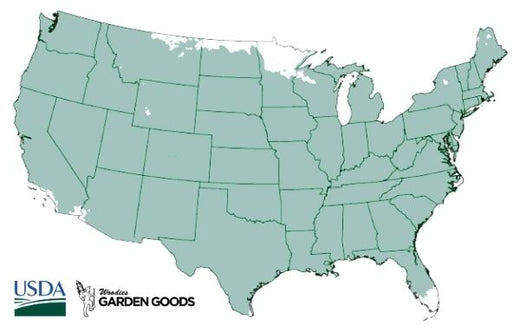
| Hardiness Zone: | 4-9 |
|---|---|
| Mature Height: | 2 to 6 inches, 8 to 10 in flower |
| Mature Width: | 1 to 2 feet |
| Sunlight: | Part shade to full shade; tolerates full sun with consistent moisture |
| Soil | Average to moist, well-drained soil; tolerates a range of soils but performs best with even moisture |
| Water | Water regularly after planting; keep evenly moist, especially in sun or heat |
| Bloom Time / Color | Mid to late spring; deep blue to violet-blue flower spikes |
| Foliage | Evergreen to semi-evergreen, Glossy deep burgundy to near-black foliage with scalloped leaf edges |
| Ornamental Features | Near-black foliage, scalloped leaves, blue spring flowers, low spreading mat, strong contrast with lighter plants |
| Wildlife Value | Spring flowers attract bees and other pollinators |
| Resistance | Generally considered deer resistant; reported powdery mildew resistance; tolerates shade |
| Landscape Uses | Shade ground cover, path edging, under shrubs, woodland gardens, foundation beds, rock gardens, slopes, containers, between stepping stones, low-traffic lawn alternatives |
How to Care for Ajuga Black Scallop
Be sure to read our planting instructions to ensure a healthy and happy Ajuga Black Scallop for years to come!

How should I plant Ajuga Black Scallop?
Plant Ajuga Black Scallop in part shade to full shade with average to moist, well-drained soil. It can tolerate more sun when moisture is consistent, but afternoon shade is helpful in hot climates. For the darkest foliage, choose a bright, sunny spot or a part-sun location where the plant will not dry out. Dig a hole slightly wider than the root ball and set the crown level with the surrounding soil. Backfill gently, water deeply, and mulch lightly around the planting area, avoiding burial of the crown. Space plants about 10 to 14 inches apart for quicker ground cover, or farther apart where a slower fill-in is preferred.

How often should I water Ajuga Black Scallop after planting?
Water Ajuga Black Scallop deeply after planting and keep the soil evenly moist during the first growing season. Check the soil regularly, especially during hot weather or when planting in more sun. Water when the top inch of soil begins to dry. Once established, Ajuga can tolerate a range of garden conditions, but Black Scallop looks best when the soil does not dry out completely for long periods. Container plantings, slopes, and sunnier sites may need more frequent watering than shaded garden beds.

When should I fertilize Ajuga Black Scallop?
Fertilize Ajuga Black Scallop lightly in spring if the soil is poor or growth appears weak. In most garden beds, a thin layer of compost or a gentle balanced slow-release fertilizer is enough to support healthy foliage and spring flowers. Avoid heavy feeding, especially with high-nitrogen fertilizer. Too much fertility can push soft growth and make the ground cover less tidy. Ajuga Black Scallop is naturally low maintenance and usually performs well with modest feeding.

When and how should I prune / cut back Ajuga Black Scallop?
Prune Ajuga Black Scallop after flowering if the spent bloom spikes look untidy. You can trim flower stems by hand, lightly shear established patches, or mow high over larger plantings to refresh the foliage after bloom. Throughout the growing season, trim runners or edge the patch as needed to keep the ground cover within its intended space. If it begins moving into lawn areas, pathways, or nearby delicate perennials, simply cut back the outer edges to maintain a clean border.