Images Depict Mature Plants
Orchid Frost Lamium
Lamium maculatum 'Orchid Frost'
Orchid Frost Lamium is a great shade groundcover when you need brightness at ground level. The silver foliage does the heavy lifting all season, and the orchid-pink flowers are a nice spring bonus. I like it under trees, in front of hostas and ferns, and along shaded walkways. Give it drainage, a little moisture, and a light trim when it needs freshening up.

20% OFF SITEWIDE SALE
Use Code 'OCTOBER20' At Checkout
📦 Free shipping on orders over $99.
Delay shipping by leaving us a message at Checkout.
Share:Recommended Add-Ons



A Silver-Foliage Shade Groundcover with Orchid-Pink Flowers
Bright Silver Foliage for Shaded Garden Beds
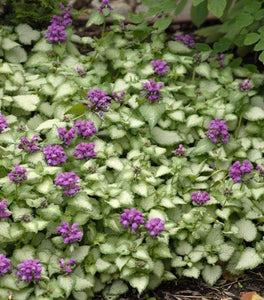
Orchid Frost Lamium is a low-growing perennial groundcover grown for its bright silver foliage, green-edged leaves, and colorful orchid-pink flowers. Also known as Orchid Frost Spotted Deadnettle, this shade-loving groundcover brings light, contrast, and texture to areas where darker green plants can disappear.
The silver-toned leaves are the main feature for most of the season. They help brighten shaded borders, under-tree plantings, woodland edges, and foundation beds. Use Orchid Frost where you want a soft living carpet that provides color even when the plant is not blooming.
Orchid-Pink Flowers in Spring and Beyond
In spring, Orchid Frost Lamium produces orchid-pink flowers above the foliage, adding cheerful color to part-shade and full-shade gardens. The flowers have a small snapdragon-like look and can appear intermittently beyond the main spring bloom period when growing conditions are favorable.
The flower color pairs beautifully with hostas, ferns, hellebores, heuchera, brunnera, bleeding heart, astilbe, and spring bulbs. In mixed shade plantings, Orchid Frost adds both foliage contrast and a soft floral layer near the front of the bed.
A Low Groundcover for Shade, Edging, and Containers
Orchid Frost Lamium stays low and spreads outward, making it useful as a groundcover, border edging, pathway softener, container spiller, or filler between larger shade perennials. Its spreading habit helps cover bare soil and reduce weed pressure in shaded areas.
This plant is especially useful under shrubs, beneath small ornamental trees, along shaded walkways, and in containers where silver foliage can spill gently over the edge. It is best for ornamental coverage rather than heavy foot traffic.
Deer Resistant, Rabbit Resistant, and Low Maintenance
Orchid Frost Lamium is generally considered deer-resistant and rabbit-resistant, making it a practical choice for gardens where browsing pressure is a concern. While no plant is completely deer-proof, Lamium is often less attractive than softer, more tender shade perennials.
Once established, it is easy to maintain. Trim it back as needed to control spread, refresh tired foliage, or keep the edges neat. This makes Orchid Frost a good choice for gardeners who want shade coverage without constant upkeep.
Easy Care in Part Shade to Full Shade
Plant Orchid Frost Lamium in part shade to full shade with moist, well-drained soil. It can tolerate dry shade once established, but it looks best with consistent moisture and good drainage. Avoid wet, compacted, or poorly drained soil, especially in winter.
Water regularly after planting until roots establish. Fertilizer is rarely needed in average garden soil. If plants become thin, leggy, or tired-looking after bloom, shear lightly to encourage fresh foliage and a denser mat.
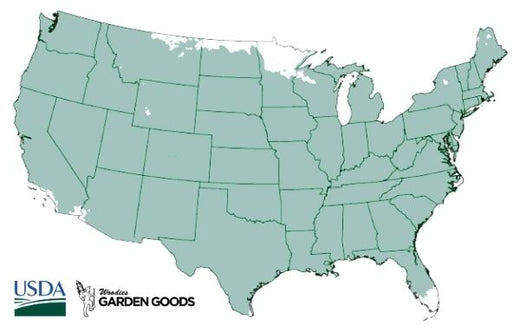
| Hardiness Zone: | 4-9 |
|---|---|
| Mature Height: | 4 to 8 Inches |
| Mature Width: | 12 to 18 Inches |
| Sunlight: | Part shade to full shade; tolerates some morning sun in cooler climates |
| Soil | Moist, humus-rich, well-drained soil preferred; tolerates average soil and dry shade once established |
| Water Requirements: | Water regularly after planting; prefers even moisture; avoid soggy soil |
| Bloom Time / Color | Spring, with possible intermittent rebloom; orchid-pink flowers |
| Ornamental Features | Silver foliage, orchid-pink flowers, low spreading habit, shade-brightening groundcover effect |
| Wildlife Value | Flowers may attract bees and other pollinators |
| Resistance | Generally deer resistant and rabbit resistant; low maintenance; tolerates dry shade once established |
| Landscape Uses | Shade groundcover, edging, under trees, woodland garden, foundation bed, container spiller, shaded slope, border front, filler between hostas and ferns |
How to Care for Orchid Frost Lamium
Be sure to read our planting instructions to ensure a healthy and happy Orchid Frost Lamium for years to come!
-v1782155212302.png?92x91)
How should I plant Orchid Frost Lamium?
Plant Orchid Frost Lamium in part shade to full shade with moist, well-drained soil. Choose a location where its silver foliage can brighten the bed, such as under trees, along shaded walkways, near foundations, in woodland gardens, or between larger shade perennials. Dig a hole about as wide as the root ball and just as deep. Set the crown level with the surrounding soil, backfill gently, and water thoroughly. Space plants about 12–18 inches apart for groundcover coverage, or closer if you want a faster fill.
-v1782155242715.png?89x84)
How often should I water Orchid Frost Lamium after planting?
Water Orchid Frost Lamium deeply after planting, then keep the soil evenly moist while roots establish. During the first growing season, water when the top few inches of soil begin to dry. Once established, Orchid Frost can tolerate some dry shade, but it looks best with consistent moisture. Avoid soggy soil or areas that stay wet in winter, since overly wet conditions can cause decline.
-v1782155270594.png?90x89)
When should I fertilize Orchid Frost Lamium?
Orchid Frost Lamium usually needs little fertilizer in average garden soil. A light spring topdressing of compost is often enough to support healthy foliage and flowering. Avoid heavy fertilizing, especially in shade. Too much fertility can encourage soft, leggy growth. Proper light, good drainage, and steady moisture are more important than frequent feeding.

When and how should I prune Orchid Frost Lamium?
Prune Orchid Frost Lamium after the main spring bloom if plants become leggy, thin, or uneven. Light shearing encourages fresh foliage and helps maintain a tighter groundcover mat. You can also trim edges any time during the growing season to keep the plant within bounds. In late winter or early spring, remove any damaged or tired foliage before fresh new growth begins.