

Images Depict Mature Plants
Sweet Kate Spiderwort
Tradescantia ‘Sweet Kate’
Sweet Kate Spiderwort is a great pick when you want bright foliage color without relying on flowers alone. The golden leaves make a strong statement, and the violet-blue blooms give it a beautiful blue-and-gold contrast in late spring and summer. Give it moisture, avoid baking dry conditions, and cut it back after the first big bloom if it starts looking tired.

15% OFF SITEWIDE SALE
Use Code 'PRIMETIME15' At Checkout
📦 Free shipping on orders over $99.
Delay shipping by leaving us a message at Checkout.
Share:Recommended Add-Ons



A Golden Spiderwort with Violet-Blue Flowers and Bright Garden Contrast
Golden Foliage That Brightens Sun and Part Shade
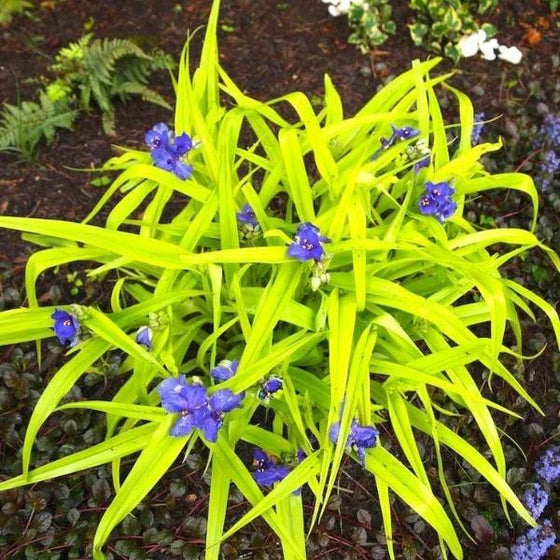
Sweet Kate Spiderwort is a colorful perennial grown for its brilliant golden-yellow foliage and vivid violet-blue flowers. Also known as Blue and Gold Spiderwort, this compact Tradescantia forms clumps of narrow, arching leaves that bring bright contrast to perennial borders, cottage gardens, rain gardens, and partly shaded planting areas.
The foliage is the first thing gardeners notice. It's gold to chartreuse color lights up mixed beds and helps brighten areas where green foliage can feel flat. In morning sun, bright part shade, or carefully placed full sun, Sweet Kate creates a striking backdrop for its flowers and a useful color contrast beside darker foliage plants.
Violet-Blue Flowers Over Bright Yellow Leaves
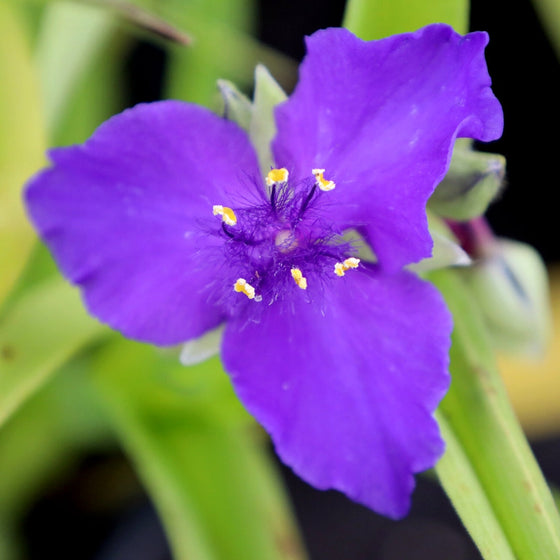
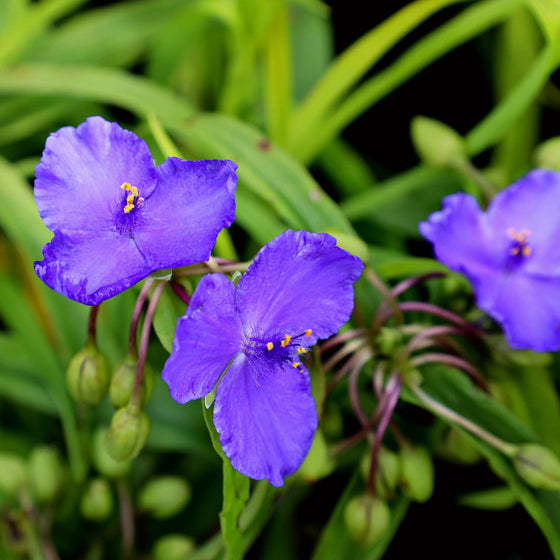
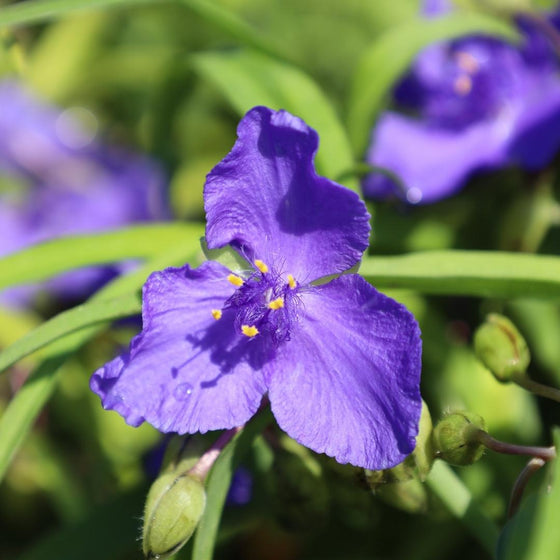
In late spring to summer, Sweet Kate Spiderwort produces three-petaled violet-blue to purple-blue flowers with bright yellow stamens. Each individual flower typically lasts only a day, but the plant produces many buds in succession, creating a long, colorful bloom period in good growing conditions.
The contrast between the blue-violet flowers and the golden foliage makes this cultivar so distinctive. The flowers rise above the strappy leaves, adding a soft, casual look to borders and naturalistic plantings. After the main bloom period, trimming the plant back can refresh the foliage and may encourage additional flowering.
Perfect for Part Shade, Rain Gardens, and Colorful Borders
Sweet Kate Spiderwort works well in full sun to part shade, with part shade often helping protect the golden foliage in hotter climates. It is especially useful in cottage gardens, pollinator beds, rain gardens, moist borders, woodland edges, and mixed perennial plantings where bright foliage color is needed.
Use it near hostas, ferns, heuchera, astilbe, iris, sedges, carex, blue flag iris, bee balm, salvia, catmint, and ornamental grasses. Its narrow leaves add a grassy texture, while the bright foliage helps connect yellow, purple, blue, and burgundy color schemes.
Deer Resistant, Pollinator Friendly, and Moisture Friendly
Sweet Kate Spiderwort is generally considered deer resistant, making it useful in mixed perennial beds where browsing pressure can be an issue. Deer resistance can vary by location and season, but spiderworts are often a lower-risk choice compared with many tender flowering perennials.
The flowers attract butterflies, bees, and other beneficial pollinators. Sweet Kate also handles consistently moist soil better than many dry-site perennials, making it a strong option for rain gardens and moisture-retentive beds. It should not be treated as a drought-loving plant, especially in hot sun, where the golden foliage can scorch if the soil becomes too dry.
Easy Care with Moist Soil and Seasonal Trimming
Plant Sweet Kate Spiderwort in full sun to part shade with moist, well-drained soil. In cooler climates, it can tolerate more sun if the moisture is steady. In hot climates, morning sun with afternoon shade or bright filtered light helps maintain attractive foliage and reduce stress.
Water regularly after planting and during dry spells. After the main bloom period, cut the plant back if foliage becomes tired, floppy, or heat-stressed. This cleanup can encourage fresh new growth and sometimes a lighter rebloom. Divide mature clumps in spring or fall if they become crowded.
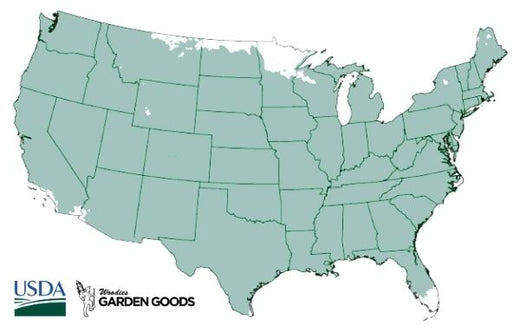
| Hardiness Zone: | 4-9 |
|---|---|
| Mature Height: | 12 to 18 Inches |
| Mature Width: | 12 to 18 Inches |
| Sunlight: | Full sun to part shade; part shade is best in hot climates |
| Soil | Moist, well-drained soil; tolerates average to wet soil with drainage |
| Water Requirements: | Water regularly after planting; prefers consistent moisture |
| Bloom Time / Color | Late spring to summer; violet-blue to purple-blue three-petaled flowers |
| Ornamental Features | Golden foliage, violet-blue flowers, blue-and-gold contrast, compact clumping habit |
| Wildlife Value | Attracts butterflies, bees, and beneficial pollinators |
| Resistance | Generally deer resistant; tolerates moist soil; not ideal for dry hot sitesGenerally deer resistant; tolerates moist soil; not ideal for dry hot sites |
| Landscape Uses | Part shade borders, rain gardens, cottage gardens, pollinator gardens, moist borders, woodland edges, mixed perennial beds, containers |
How to Care for Sweet Kate Spiderwort
Before you buy a Sweet Kate Spiderwort, make sure to read about the recommended care instructions to keep this plant healthy and thriving.
-v1781529984181.png?92x91)
How should I plant Sweet Kate Spiderwort?
Plant Sweet Kate Spiderwort in full sun to part shade with moist, well-drained soil. In hot climates, choose morning sun with afternoon shade or bright filtered light to help protect the golden foliage from scorching. In cooler climates, more sun is acceptable if the soil stays evenly moist. Dig a hole about as wide as the root ball and just as deep. Set the crown level with the surrounding soil, backfill gently, and water thoroughly. Space plants about 12–18 inches apart so the clumps have room to fill out naturally.
-v1781530002752.png?89x84)
How often should I water Sweet Kate Spiderwort after planting?
Water Sweet Kate Spiderwort deeply after planting, then keep the soil consistently moist while roots establish. During the first growing season, water when the top few inches of soil begin to dry, especially during warm weather. Established plants prefer steady moisture and can tolerate damp garden conditions better than many perennials. Avoid letting the plant dry out for long periods in hot sun, because drought stress can cause foliage decline or leaf scorch.
-v1781530017416.png?90x89)
When should I fertilize Sweet Kate Spiderwort?
Sweet Kate Spiderwort usually needs only light feeding. In average garden soil, a spring layer of compost or a mild slow-release fertilizer is enough to support healthy foliage and flowers. Avoid heavy feeding, which can encourage soft, floppy growth. Good moisture, proper light, and seasonal trimming are more important than frequent fertilizer for keeping this plant attractive.

When and how should I prune Sweet Kate Spiderwort?
Prune Sweet Kate Spiderwort after the main bloom period if the foliage becomes tired, floppy, or unattractive. Cut the plant back by about one-half, or close to the basal growth if needed, to encourage fresh foliage. You can also remove spent flower clusters to keep the plant tidy. In late fall or early spring, remove old foliage before new growth begins. Divide crowded clumps in spring or fall to maintain vigor.