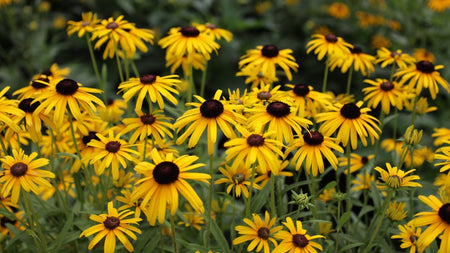
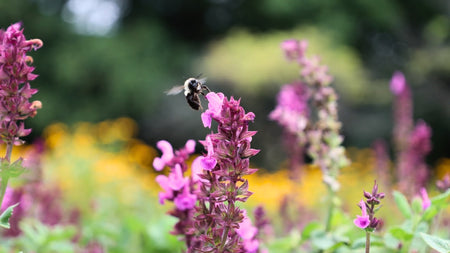
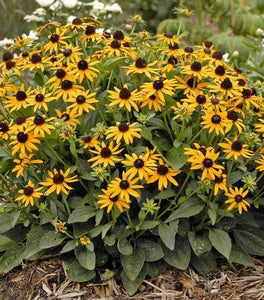
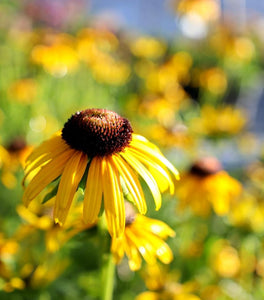
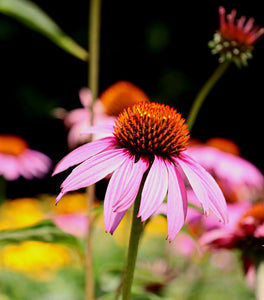
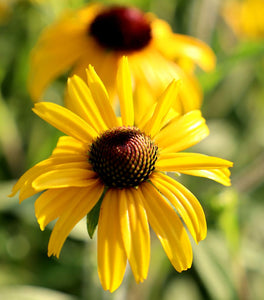
Images Depict Mature Plants
Giant Coneflower
Rudbeckia maxima
Giant Coneflower is a plant with real presence. The blue-green leaves are attractive before the flowers even appear, and the tall yellow blooms with dark cones make a strong statement in a native garden or rain garden. Give it room, do not tuck it in front of small perennials, and leave some seed heads standing for the birds. This is the kind of Rudbeckia you use when you want height, wildlife value, and a little drama.

20% OFF SITEWIDE SALE
Use Code 'OCTOBER20' At Checkout
📦 Free shipping on orders over $99.
Delay shipping by leaving us a message at Checkout.
Share:Recommended Add-Ons


Tall Native Rudbeckia with Blue-Green Foliage, Yellow Flowers, and Wildlife Value
Giant Coneflower Makes a Bold Native Garden Statement
Giant Coneflower is a dramatic native perennial grown for its oversized blue-green foliage and tall summer flower stalks. Also known as Rudbeckia maxima, Large Coneflower, Great Coneflower, or Giant Black Eyed Susan, this plant brings height, texture, and movement to sunny gardens where ordinary perennials may feel too small.
The plant forms a basal clump of large, paddle-shaped leaves with a powdery blue-green cast. In summer, sturdy stems rise well above the foliage and carry yellow coneflowers with drooping petals and tall dark brown cones. The combination is bold, sculptural, and easy to spot from across the yard.
Tall Yellow Flowers with Large Dark Cones
Rudbeckia maxima is not a compact black-eyed Susan. This is a statement perennial, commonly reaching 5 to 7 feet tall in bloom. The yellow ray petals hang downward from tall, narrow, dark brown cones, creating a distinctive look that feels more architectural than traditional daisy-style Rudbeckia.
The flowers bloom in summer and add vertical interest to native plantings, pollinator gardens, meadow-style borders, and the back of sunny perennial beds. After flowering, the cones remain attractive and can be left standing for birds, seed interest, and winter texture.
Blue-Green Basal Leaves Add Texture Before and After Bloom
One of the best features of Giant Coneflower is the foliage. The broad, glaucous, blue-green leaves form a handsome clump at the base of the plant before the flower stalks rise. Even before bloom, the foliage adds a bold, almost tropical texture to native gardens and sunny borders.
Use the large leaves as a contrast against fine-textured grasses, narrow-leaved perennials, and smaller flowering plants. Giant Coneflower pairs well with Switchgrass, Little Bluestem, Joe Pye Weed, Ironweed, Bee Balm, Milkweed, Goldenrod, Swamp Milkweed, and other perennials that can match its scale and naturalistic character.
A Strong Choice for Moist Soil, Rain Gardens, and Sunny Borders
Giant Coneflower grows best in full sun with average to moist, well-drained soil. It is especially useful in areas with moderately moist soil, such as rain gardens, low meadow plantings, pond edges, drainage swales, and sunny borders with consistent moisture.
Once established, Rudbeckia maxima also tolerates heat and some drought, making it more adaptable than its large size might suggest. It can handle a range of soils, but the tallest, strongest plants usually come from sites with good sun, decent moisture, and enough space for the clump to mature.
Deer Resistant, Pollinator Friendly, and Excellent for Birds
Giant Coneflower is generally considered deer resistant, which is helpful for gardeners who want height and summer color without relying on tender plants that are easily browsed. Bees, butterflies, and other beneficial insects visit the flowers during bloom.
The seed cones are valuable after the petals fade. Leave some flower stalks standing in fall and winter so birds, especially finches, can feed on the seed. Cut back old stems in late winter or early spring when you are ready to clean up the garden.
2020 AAS Herbaceous Perennial Winner
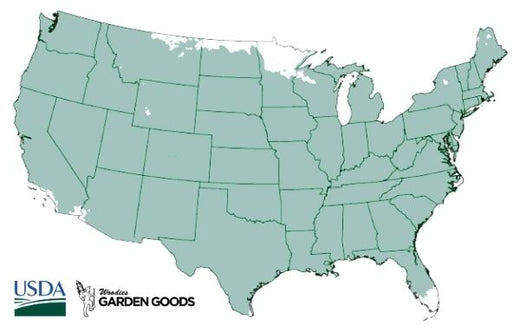
| Hardiness Zone: | 4-9 |
|---|---|
| Mature Height: | Commonly 5 to 7 feet tall in bloom |
| Mature Width: | 2 to 3 feet wide |
| Sunlight: | Full sun preferred; tolerates light shade |
| Soil Condition: | Average to moist, well-drained soil; adapts to a range of soil types |
| Water Requirements: | Medium moisture preferred; tolerates some drought once established |
| Bloom Time / Color | Summer; yellow ray petals with tall dark brown central cones |
| Ornamental Features | Tall flower stalks, yellow drooping petals, large dark cones, blue-green foliage, bold vertical habit |
| Wildlife Value | Attracts bees, butterflies, and beneficial insects; seed heads feed birds |
| Resistance | Generally considered deer resistant; heat tolerant; drought tolerant once established |
| Landscape Uses | Native gardens, pollinator gardens, rain gardens, moist meadows, back of border, pond edges, wildlife gardens, cut flower gardens |
How to Care for Giant Coneflower
Before you buy a Giant Coneflower, read the recommended care instructions to keep this plant healthy and thriving.

How should I plant Giant Coneflower?
Plant Giant Coneflower in full sun with average to moist, well-drained soil. Dig a hole about twice as wide as the root ball and just as deep as the container. Set the crown level with the surrounding soil, backfill with loosened native soil, and water thoroughly after planting. Space plants about 24 to 36 inches apart so the large foliage and tall bloom stalks have room to develop. Place Rudbeckia maxima toward the back of borders, in rain gardens, along pond edges, or in native meadow-style plantings where its height can be used as a feature.

How often should I water Giant Coneflower after planting?
Water Giant Coneflower deeply after planting, then keep the soil evenly moist while the roots establish. During the first growing season, water when the top few inches of soil become dry, especially during hot weather or extended dry periods. Once established, Rudbeckia maxima tolerates some drought, but it performs best with medium moisture. In rain gardens or naturally moist beds, it usually needs less supplemental watering after establishment.
-v1782841628719.png?90x89)
When should I fertilize Giant Coneflower?
Fertilize Giant Coneflower lightly in early spring if needed. A thin layer of compost or a modest application of slow-release balanced fertilizer is usually enough to support strong growth and flowering. Avoid heavy fertilizing. Too much nitrogen can encourage overly lush growth that may lean or flop. In most gardens, full sun, steady moisture, good spacing, and compost are more important than frequent feeding.

When and how should I prune / cut back Giant Coneflower?
Deadheading is optional. If you remove spent flower stalks after the first bloom, you may encourage a cleaner look and possible additional flowering, but leaving the cones standing provides bird food and winter structure. Cut back old stems in late winter or early spring before new growth begins. If you want a more wildlife-friendly garden, leave the seed heads through fall and winter so birds can feed on them, then clean up before the new season starts.