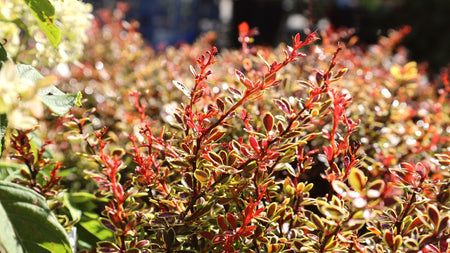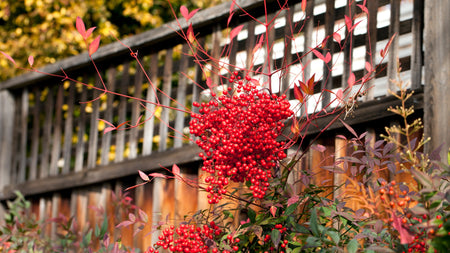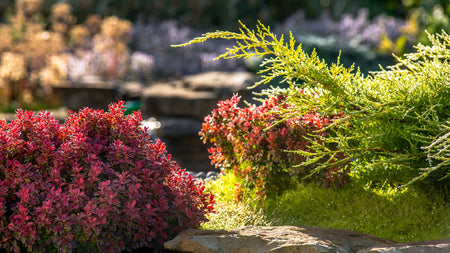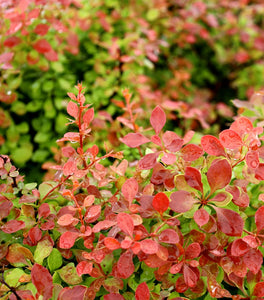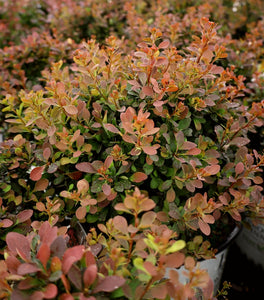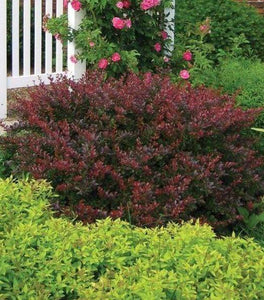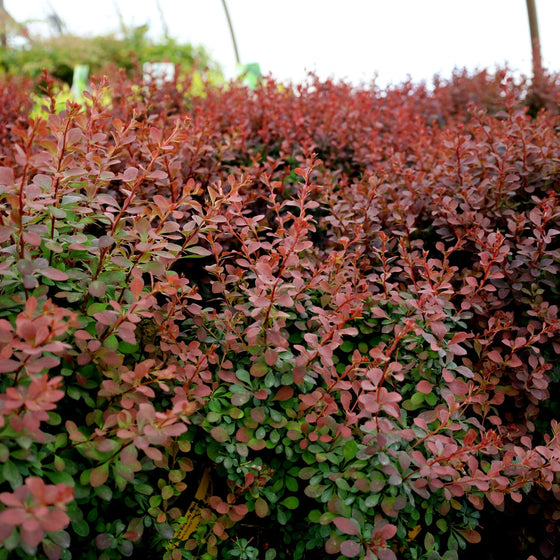

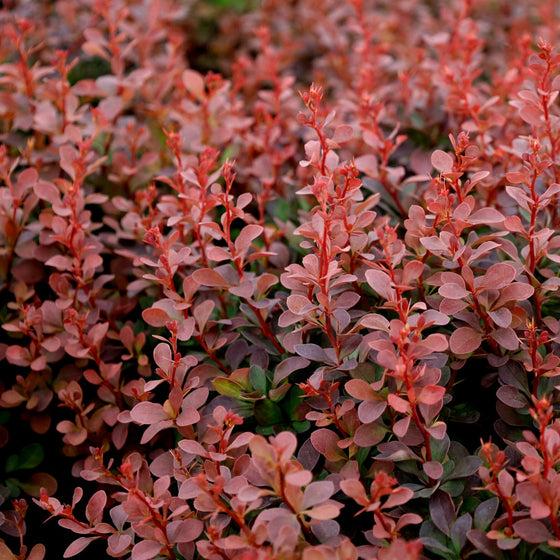
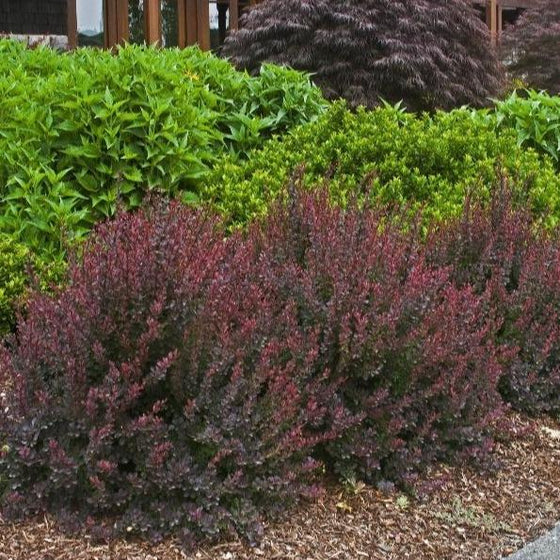
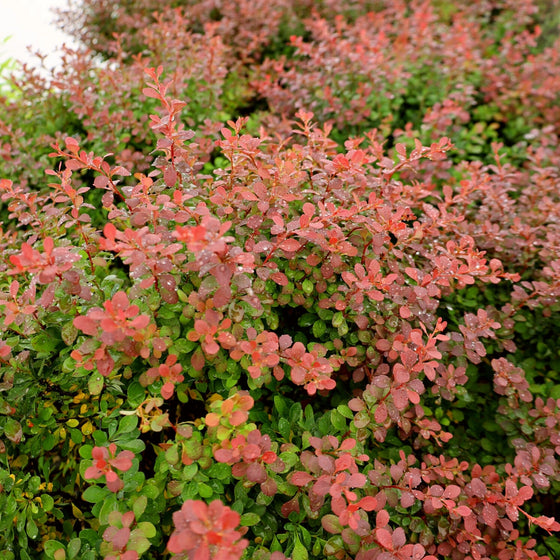


Images Depict Mature Plants
Royal Burgundy® Barberry
Berberis thunbergii 'Gentry'
Royal Burgundy Barberry offers a deep burgundy color in a compact shrub that is easy to use along foundations, sunny borders, and low hedges. It is tough, deer-resistant, and naturally thorny, so it works well where you want color and a little structure.

15% OFF SITEWIDE, USE CODE 'FALLPLANT15'
📦 Free shipping on orders over $99.
Delay shipping by leaving us a message at Checkout.
Share:


Royal Burgundy Barberry Adds Compact Burgundy Color and Low-Maintenance Structure
Rich Burgundy Foliage in a Compact Shrub
Royal Burgundy® Barberry is a compact deciduous shrub grown for deep burgundy foliage, dense branching, and a naturally low, rounded form. Its small leaves emerge rich burgundy in spring and hold strong color through the growing season, adding bold contrast against green evergreens, gold foliage, flowering shrubs, and ornamental grasses.
This is an excellent choice for homeowners who want a colorful shrub that stays smaller than many traditional hedge plants. Royal Burgundy brings season-long foliage color without relying on flowers, making it useful in foundation beds, front borders, low hedges, mass plantings, sunny edges, and designed landscapes where bold contrast matters.
Improved Color Compared With Older Purple Barberries
Royal Burgundy is often valued as an improved selection from Crimson Pygmy, with richer burgundy foliage and small velvety leaves that maintain strong color through summer. In fall, the foliage can deepen toward reddish-black, giving the plant a dramatic finish before the leaves drop for winter.
Because this shrub is primarily grown for foliage, the overall effect is consistent and easy to design with. Use it as a repeated color accent, a dark-leaved contrast plant, or a low burgundy band at the front of a bed. It pairs especially well with boxwood, spirea, false cypress, potentilla, hydrangeas, roses, yews, ornamental grasses, and gold- or chartreuse-foliage plants.
Low Mounding Habit for Hedges, Edging, and Mass Plantings
Royal Burgundy Barberry typically grows about 2 to 3 feet tall and around 3 feet wide, forming a dense, low mound. Its compact habit makes it easier to fit into residential landscapes than larger barberries, while still providing enough presence to define a bed, edge a walkway, or create a low hedge.
Use it in groups for a stronger design effect. A single plant adds color, but a row or mass planting creates a bold ribbon of burgundy foliage. Its thorny stems also make it useful for defensive plantings under windows, along property lines, or anywhere you want a low, colorful shrub that discourages foot traffic.
Full Sun Brings Out the Best Burgundy Color
Royal Burgundy Barberry performs best in full sun, where foliage color is richest, and growth stays dense. It can tolerate partial shade, but too much shade may reduce foliage intensity and make the plant less compact. For the best color show, choose a sunny site with good airflow and well-drained soil.
This shrub is adaptable once established and can handle urban conditions, drought, heat, and average garden soils. Avoid poorly drained, wet sites, especially in heavy clay. Water regularly during the first growing season, then reduce watering once the root system is established.
A Tough Shrub With Responsible Planting Notes
Royal Burgundy Barberry is easy to grow, deer-resistant, and tolerant of pruning, which makes it appealing for low-maintenance landscapes. Small yellow flowers may appear in spring, followed by red berries in fall and winter. The berries can add seasonal interest and may be eaten by birds.
Because Royal Burgundy is a cultivated form of Japanese barberry, check state and local regulations before planting. Japanese barberry is restricted or discouraged in some regions because it can spread into natural areas. In restricted areas, choose a permitted sterile cultivar, a native alternative, or another non-invasive shrub with similar color and structure.
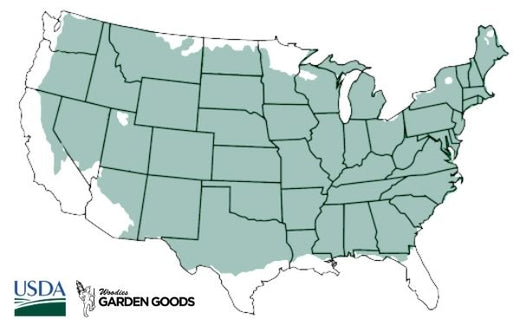
| Hardiness Zone: | 4-8 |
|---|---|
| Mature Height: | 2 to 3 Feet |
| Mature Width: | 2.5 to 3 Feet |
| Sunlight: | Full sun for best color; tolerates partial shade |
| Soil | Average, well-drained soil; avoid poorly drained wet sites |
| Water | Water regularly until established; drought tolerant once established |
| Foliage: | Rich burgundy spring and summer foliage; deepens to reddish-black or red fall tones |
| Bloom Time / Color | Spring; small pale yellow flowers are not the main ornamental feature |
| Ornamental Features | Compact mounding habit, burgundy foliage, thorny stems, red berries, low hedge value |
| Wildlife Value | Berries may be eaten by birds |
| Resistance | Deer resistant, drought tolerant once established, urban tolerant, road salt tolerant in some references |
| Landscape Uses | Low hedges, foundations, borders, edging, mass plantings, defensive plantings, containers, sunny mixed beds |
How to Care for Royal Burgundy® Barberry
Be sure to read our planting instructions to ensure a healthy and happy Royal Burgundy Barberry Shrub plant for years to come!
-v1745862926189.png?92x91)
How should I plant Royal Burgundy Barberry?
Plant Royal Burgundy Barberry in full sun with well-drained soil. Full sun brings out the richest burgundy foliage color and helps the plant stay dense and compact. It can tolerate partial shade, but color may be less intense in lower light. Dig a hole about twice as wide as the root ball and the same depth as the container. Set the plant so the top of the root ball is level with the surrounding soil, backfill with native soil, water deeply, and mulch around the root zone while keeping mulch away from the stems.
-v1745863025954.png?89x84)
How often should I water Royal Burgundy Barberry after planting?
Water Royal Burgundy Barberry deeply after planting and keep the soil evenly moist during the first growing season. Newly planted shrubs need regular watering while roots grow into the surrounding soil, especially during hot, dry, or windy weather. Once established, Royal Burgundy is drought tolerant and usually needs less supplemental water. During extended dry periods, water deeply when the top few inches of soil are dry. Avoid overwatering or planting in sites where water collects around the roots.
-v1745863048914.png?90x89)
When should I fertilize Royal Burgundy Barberry?
Fertilize Royal Burgundy Barberry in early spring if growth is weak or soil is poor. Use a balanced slow-release shrub fertilizer or topdress with compost around the root zone. In average garden soil, this shrub usually needs only light feeding. Avoid heavy fertilizer applications, which can push overly soft growth and reduce the plant’s naturally compact habit. Good sunlight, drainage, and proper watering are more important than frequent feeding for strong foliage color and healthy growth.

When and how should I prune / cut back Royal Burgundy Barberry?
Prune Royal Burgundy Barberry in late winter or early spring before new growth begins. Remove dead, damaged, or crossing branches first, then lightly shape the plant to maintain its compact mounded form. Wear gloves because barberry stems are thorny. A light summer trim can be used for formal hedges or crisp edging, but avoid heavy pruning late in the season. If seedlings appear nearby, remove them promptly, especially in regions where Japanese barberry is regulated or discouraged.