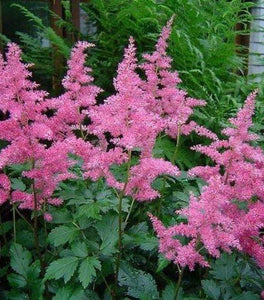
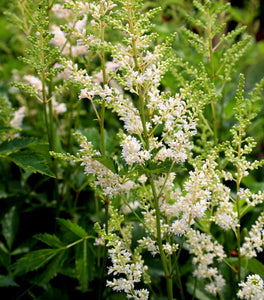
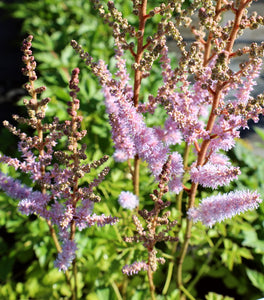
Images Depict Mature Plants
Purple Candles Astilbe
Astilbe chinensis 'Purpurkerze'
Purple Candles Astilbe is a strong choice when a shade garden needs height, color, and texture. The upright purple plumes have more presence than many softer astilbes, and the fern-like foliage keeps the plant useful even before it blooms. I like it in groups along woodland edges or behind hostas and heucheras, especially where the soil stays moist. Give it shade and water, and it becomes one of the most dependable ways to bring color into darker garden spaces.

15% OFF SITEWIDE, USE CODE 'FALLPLANT15'
📦 Free shipping on orders over $99.
Delay shipping by leaving us a message at Checkout.
Share:


Tall Purple Plumes for Moist Shade Gardens
Bold Violet-Purple Plumes for Shade.
Purple Candles Astilbe is a striking shade perennial grown for its tall, upright flower plumes in rich violet-red to magenta-purple tones. The dense, candle-like blooms rise above the foliage in summer, adding height, texture, and strong color to shaded beds. This makes it especially useful where gardeners want more than green foliage in woodland gardens, shaded borders, and partially shaded foundation plantings.
Attractive Fern-Like Foliage with Season-Long Texture.
Before and after bloom, Purple Candles Astilbe contributes attractive foliage to the garden. Its deeply cut, fern-like leaves form a tidy mound that adds softness and texture beneath the flower spikes. The foliage pairs beautifully with hostas, heuchera, ferns, carex, brunnera, hellebores, coral bells, Japanese forest grass, and other shade-loving perennials.
A Tall Astilbe for Borders, Mass Plantings, and Woodland Gardens.
This cultivar is taller than many astilbes, typically reaching about 3 to 4 feet in bloom with a spread of 18 to 24 inches. Its height makes it useful in the middle or back of a shade border, along woodland edges, near shaded patios, or in mass plantings where the purple plumes can repeat through the design. Plant several together for the strongest color impact.
Moisture-Loving and Easy to Grow in the Right Site.
Purple Candles Astilbe performs best in part shade to shade and rich, moist, well-drained soil. It can tolerate some sun, especially in cooler climates, but only when the soil is kept consistently moist. Avoid dry shade, hot afternoon sun, and sandy soil that dries quickly. A layer of mulch helps keep the roots cool and evenly moist through summer.
Deer-Resistant, Rabbit-Resistant, and Useful for Cut Flowers.
Purple Candles Astilbe is considered deer-resistant and rabbit-resistant, making it a practical choice for shaded landscapes with browsing pressure. The flowers attract bees, butterflies, hummingbirds, and other pollinators, while the plumes can also be cut for fresh bouquets or dried arrangements. Leave faded flower heads standing for extra texture, or remove them for a cleaner garden look.
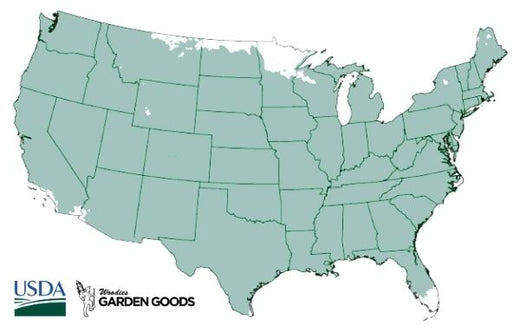
| Hardiness Zone: | 4-9 |
|---|---|
| Mature Height: | 3 to 4 Feet |
| Mature Width: | 18 to 24 inches |
| Sunlight: | Part shade to shade; tolerates sun if soil stays consistently moist |
| Soil | Rich, moist, well-drained soil |
| Water | Moderate to consistent; do not allow soil to dry out severely |
| Bloom Time / Color | Summer to late summer; violet-red to magenta-purple plumes |
| Ornamental Features | Tall purple plumes, fern-like foliage, vertical texture, cut and dried flower value |
| Wildlife Value | Attracts bees, butterflies, hummingbirds, and beneficial pollinators |
| Resistance | Deer resistant, rabbit resistant, moist soil tolerant |
| Landscape Uses | Shade borders, woodland gardens, mass plantings, containers, waterside plantings, shaded foundations, cut flowers, dried arrangements |
How to Care for Purple Candles Astilbe
Be sure to read our planting instructions to ensure a healthy and happy Purple Candles Astilbe for years to come!
-v1778679254642.png?92x91)
How should I plant Purple Candles Astilbe?
Plant Purple Candles Astilbe in part shade to shade where the soil is rich, moist, and well drained. It can tolerate some morning sun or cool-climate sun if the soil stays consistently moist, but it should be protected from hot, dry afternoon sun. Avoid dry shade under thirsty tree roots unless the area can be watered regularly. Dig a hole about twice as wide as the root ball and just as deep. Set the crown level with the surrounding soil, backfill gently, and water thoroughly. Add a 2- to 3-inch mulch layer around the plant to conserve moisture and keep the roots cool, keeping mulch slightly pulled back from the crown.
-v1778679255546.png?89x84)
How often should I water Purple Candles Astilbe after planting?
Water Purple Candles Astilbe deeply after planting and keep the soil evenly moist through the first growing season. Astilbe does not like to dry out, especially during heat or while flower plumes are developing. Water when the top inch or two of soil begins to dry. Once established, continue watering during dry spells to keep the foliage fresh and prevent browning. Plants growing in containers, sunnier sites, or sandy soils may need more frequent watering. Mulch is especially helpful because it reduces evaporation and keeps the root zone more consistent.
-v1778679256192.png?90x89)
When should I fertilize Purple Candles Astilbe?
Fertilize Purple Candles Astilbe in early spring as new growth begins. Use a balanced slow-release fertilizer or a light layer of compost around the root zone. This helps support healthy foliage, strong plumes, and steady growth through the season. A second light feeding after bloom may be helpful in poor soils, but avoid heavy fertilizing. Astilbe responds best to consistent moisture, organic matter, and proper shade rather than excessive fertilizer. If the plant is growing well and flowering strongly, keep feeding simple.

When and how should I prune Purple Candles Astilbe?
Remove spent Purple Candles Astilbe plumes after bloom if you prefer a tidy appearance. You can also leave the faded seed heads standing for added late-season and winter texture. Deadheading is not required for the plant to remain healthy. Cut the old foliage back in late fall after it declines or in early spring before new growth appears. Divide mature clumps every 3 to 4 years if flowering declines, the center becomes crowded, or the plant outgrows its space. Replant divisions in moist, shaded soil and water well.