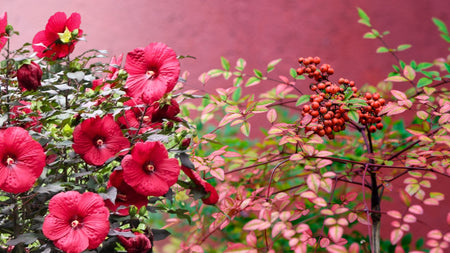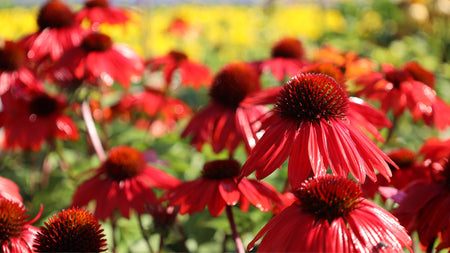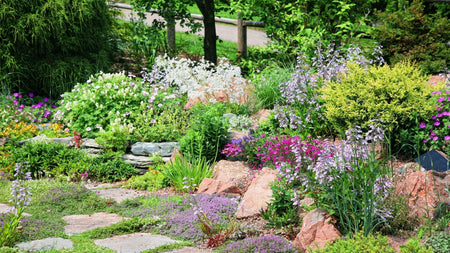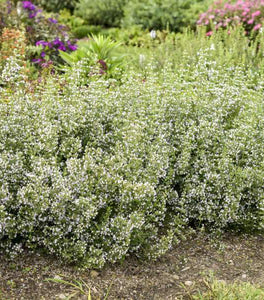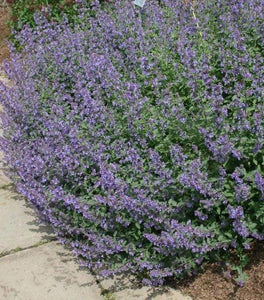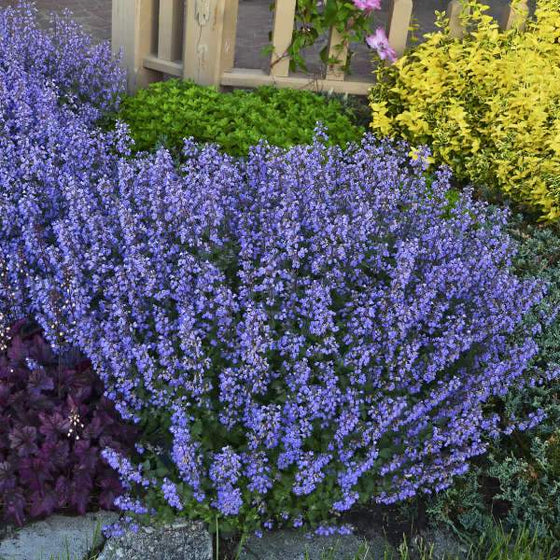
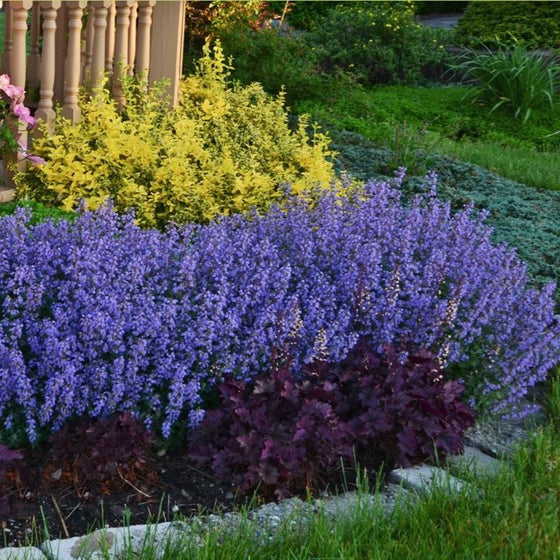


Images Depict Mature Plants
Purrsian Blue Catmint
Nepeta faassenii ‘Purrsian Blue’
Purrsian Blue Catmint is a great pick when you want catmint color without the loose, oversized look of older varieties. It stays compact, blooms heavily, and brings bees, butterflies, and hummingbirds into sunny borders. I like it for edging and containers because it gives you that soft blue-purple catmint effect in a tidier, easier-to-manage plant.

15% OFF SITEWIDE SUMMER SALE
Use Code HELLOSUMMER15 at Checkout!
📦 Free shipping on orders over $99.
Delay shipping by leaving us a message at Checkout.
Share:Recommended Add-Ons



A Compact Catmint with Blue-Purple Blooms and Easy Sunny-Garden Color
A Compact Catmint with a Rounded, Floriferous Habit
Purrsian Blue Catmint is a compact Nepeta cultivar grown for its tidy mounded habit, aromatic foliage, and long-lasting blue-purple flowers. Its dense branching and rounded form make it easier to place than larger catmints, especially near the front of sunny borders, along walkways, in containers, or in pollinator-friendly foundation plantings.
This cultivar brings the relaxed beauty of catmint in a more controlled size. The foliage forms a neat clump, while the flowers appear closely along the stems for a fuller, more colorful look. For gardeners who want dependable color without a sprawling plant, Purrsian Blue is a strong choice.
Periwinkle-Blue Flowers with Dark Purple Calyxes
From early summer into early fall, Purrsian Blue Catmint produces periwinkle-blue flowers held by dark purple calyxes just above the aromatic foliage. The combination creates a soft blue-purple haze that blends beautifully with silver foliage, yellow flowers, white blooms, pink perennials, ornamental grasses, and dark-leaved plants.
The flowers are long-lasting and bring movement to sunny plantings as bees, butterflies, hummingbirds, and other beneficial pollinators visit throughout the season. After the first heavy flush of bloom, a light trim can refresh the plant and encourage a cleaner, fuller rebloom.
Perfect for Edging, Containers, Pollinator Gardens, and Sunny Borders
Purrsian Blue Catmint is easy to use in full sun perennial borders, cottage gardens, rock gardens, containers, pollinator beds, foundation plantings, mass plantings, and walkway edges. Its compact habit makes it especially useful where a larger catmint would take up too much room.
Plant it in groups for a soft drift of blue-purple color, or repeat it through a border to create rhythm. It pairs beautifully with roses, salvia, coneflower, Black Eyed Susan, yarrow, coreopsis, lavender, sedum, allium, Shasta daisy, and ornamental grasses. In containers, it works as a mounding filler with long-season flower value.
Deer Resistant, Rabbit Resistant, and Drought Tolerant Once Established
Purrsian Blue Catmint is generally considered deer-resistant and rabbit-resistant, making it valuable in sunny landscapes where browsing pressure can limit plant choices. Its aromatic foliage is usually less appealing to deer and rabbits than that of many softer-flowering perennials.
Once established, this plant is drought-tolerant and low-maintenance. It handles heat, sun, and average garden soils well as long as drainage is good. It is especially useful for homeowners who want a tough flowering perennial that looks good without constant watering, fertilizing, or fussing.
Easy Care with Full Sun, Drainage, and a Midseason Trim
Plant Purrsian Blue Catmint in full sun with well-drained soil. Average, sandy, rocky, or moderately fertile soil is usually fine, but avoid wet, heavy soil where roots may stay too damp. Full sun gives the best flowering and most compact habit.
Water regularly after planting until the roots establish, then reduce watering. After the first bloom flush, shear the plant back lightly to refresh the foliage and encourage another round of flowers. Cut back old stems in late winter or early spring, before new growth begins.
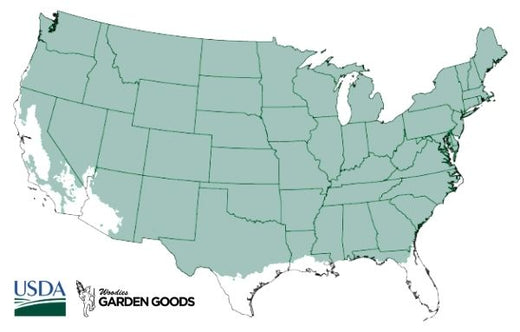
| Hardiness Zone: | 3-8 |
|---|---|
| Mature Height: | 14 to 18 Inches |
| Mature Width: | 18 to 30 Inches |
| Sunlight: | Full sun; tolerates light part shade but flowers best in full sun |
| Soil | Average, dry to medium, well-drained soil; tolerates rocky or lean soil |
| Water | Water regularly after planting; drought tolerant once established |
| Bloom Time / Color | Early summer to early fall; periwinkle-blue to blue-purple flowers with dark purple calyxes |
| Ornamental Features | Compact mounding habit, long bloom season, blue-purple flowers, aromatic foliage, tidy growth |
| Wildlife Value | Attracts butterflies, bees, hummingbirds, and beneficial pollinators |
| Resistance | Generally deer resistant and rabbit resistant; drought tolerant once established; low maintenance |
| Landscape Uses | Sunny borders, edging, containers, pollinator gardens, butterfly gardens, cottage gardens, rock gardens, mass plantings, foundation beds, walkway edges |
How to Care for Purrsian Blue Catmint
Before you buy a Purrsian Blue Catmint Plant, make sure to read about the recommended care instructions to keep this plant healthy and thriving.

How should I plant Purrsian Blue Catmint?
Plant Purrsian Blue Catmint in full sun with well-drained soil. Choose a location that receives at least 6 hours of direct sunlight each day for the strongest flowering and most compact habit. Avoid low, wet areas where soil stays soggy after rain. Dig a hole about as wide as the root ball and just as deep. Set the crown level with the surrounding soil, backfill gently, and water thoroughly. Space plants about 18–24 inches apart for a full border or mass planting effect.

How often should I water Purrsian Blue Catmint after planting?
Water Purrsian Blue Catmint deeply after planting, then keep the soil lightly moist while roots establish. During the first growing season, water when the top few inches of soil feel dry, especially during hot or windy weather. Once established, Purrsian Blue Catmint is drought tolerant and usually needs little supplemental water in the ground. Water during extended dry spells, but avoid soggy soil or frequent shallow watering.

When should I fertilize Purrsian Blue Catmint?
Purrsian Blue Catmint usually needs little fertilizer. In average garden soil, a light spring application of compost or a mild slow-release fertilizer is enough to support healthy growth and flowering. Avoid heavy feeding, especially with high-nitrogen fertilizer. Too much fertility can encourage soft growth and reduce the tidy compact habit that makes this cultivar useful in borders and containers.

When and how should I prune Purrsian Blue Catmint?
Prune Purrsian Blue Catmint after the first heavy bloom flush by shearing the plant back lightly. This refreshes the foliage, keeps the mound tidy, and encourages another round of flowers. In late winter or early spring, cut old stems back before new growth begins. If the plant becomes too wide for its space during the growing season, trim the edges lightly to maintain the desired shape.