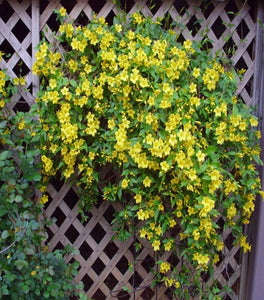
Images Depict Mature Plants
Major Wheeler Honeysuckle
Lonicera sempervirens 'Major Wheeler')
Major Wheeler Honeysuckle is one of my favorite native vines for attracting hummingbirds, and the reason is simple: it produces an incredible number of bright red flowers over a remarkably long period. I've always appreciated native trumpet honeysuckle, but Major Wheeler really stands out because of its heavy flowering and strong resistance to powdery mildew. If you have a sunny trellis or fence and want to bring hummingbirds closer to your patio or garden, this is a plant I would strongly consider. Give it good support, water it while it establishes, and don't overfeed it. The flowers will do the rest.

15% Off Sitewide Sale!
Use Code 'SEASON15' At Checkout
📦 Free shipping on orders over $99.
Delay shipping by leaving us a message at Checkout.
Share:

Brilliant Red Honeysuckle Flowers That Bring Hummingbirds to Your Garden
Brilliant Scarlet-Red Flowers That Hummingbirds Love
Major Wheeler Honeysuckle is one of the most impressive native flowering vines for gardeners who want to attract hummingbirds while adding brilliant color to their landscapes. Botanically known as Lonicera sempervirens ‘Major Wheeler’, this exceptional trumpet honeysuckle produces clusters of vivid scarlet-red, tubular flowers that stand out beautifully against its attractive green foliage. The blossoms provide an important nectar source for visiting hummingbirds, making this vine an excellent addition to native gardens, pollinator plantings, and outdoor living spaces.
Unlike yellow-flowering selections such as John Clayton Honeysuckle, Major Wheeler offers rich red flowers that create a dramatic display on trellises, fences, and garden arbors. The elongated, trumpet-shaped blossoms are particularly attractive to ruby-throated hummingbirds, which readily visit them during the growing season. For homeowners who enjoy watching wildlife from a patio, porch, or garden seating area, Major Wheeler Honeysuckle provides a beautiful combination of ornamental color and natural activity.
An Exceptionally Long-Blooming Native Honeysuckle Vine
One of the greatest advantages of Major Wheeler Honeysuckle is its ability to produce flowers over an extended growing season. The main flowering display typically begins in late spring, when clusters of bright red flowers cover the vine. Unlike many flowering vines that produce one concentrated flush of blooms, Major Wheeler can continue producing additional flowers throughout summer and into fall when growing conditions are favorable.
This long flowering period makes Major Wheeler especially valuable in hummingbird gardens, where a reliable succession of nectar-producing flowers helps support visiting wildlife. Its abundant blooms provide colorful interest throughout much of the active gardening season, creating a striking backdrop for summer perennials and native flowering shrubs. Full sun generally produces the strongest display, making a sunny trellis or fence an excellent location for this remarkable native vine.
A Beautiful Flowering Vine for Trellises, Fences, and Privacy
Major Wheeler Honeysuckle is a vigorous, twining woody vine that develops an attractive vertical presence when provided with suitable support. Mature plants commonly produce climbing stems approximately 8 to 15 feet long, making them well suited for garden trellises, arbors, decorative fences, and other structures where flowers can be displayed at eye level. Unlike self-clinging vines, honeysuckle climbs by wrapping its stems around supporting structures, allowing gardeners to guide its growth.
This versatile native vine can also provide seasonal screening along fences and garden boundaries. Plant it where the flowering stems can develop naturally, or train it over an arbor to create an inviting garden entrance. Major Wheeler is particularly effective when paired with native perennials such as coneflowers, bee balm, salvia, cardinal flower, and black-eyed Susans. These companion plants extend seasonal color and create an attractive landscape for hummingbirds, butterflies, and other beneficial wildlife.
Disease-Resistant Foliage and Red Berries for Seasonal Interest
Major Wheeler Honeysuckle is especially valued for its attractive foliage and strong resistance to powdery mildew, a problem that can affect some other honeysuckle selections. The leaves provide a handsome green backdrop for the brilliant red flowers, while the vine's vigorous growth creates attractive coverage on properly supported structures. In colder regions, the foliage is generally deciduous, while plants in milder climates may retain some leaves through winter.
After flowering, small red-to-orange-red berries may develop along the stems, adding another layer of ornamental interest. These fruits are particularly valuable to fruit-eating birds and contribute to the plant's usefulness in wildlife-friendly gardens. Although attractive, honeysuckle berries are not intended for human consumption. Combined with its long flowering period and attractive climbing habit, Major Wheeler offers interest well beyond its initial spring bloom.
Easy to Grow, Native, and Perfect for Wildlife Gardens
Major Wheeler Honeysuckle performs best in full sun to part shade, with the most abundant flowering generally occurring in locations receiving at least six hours of direct sunlight. It prefers average to organically rich, well-drained soil and appreciates consistent moisture while becoming established. Once the root system develops, this adaptable vine tolerates occasional dry periods and generally requires little maintenance beyond training and occasional pruning.
As a cultivated selection of North American native trumpet honeysuckle, Major Wheeler offers an attractive alternative to invasive Japanese Honeysuckle. It is generally considered deer resistant and is particularly useful in gardens designed to support hummingbirds, butterflies, and other native wildlife. Provide a sturdy trellis or fence, water regularly during establishment, and allow the bright red flowers to become a seasonal highlight. With proper placement and care, Major Wheeler Honeysuckle can provide years of beautiful flowering and wildlife enjoyment.
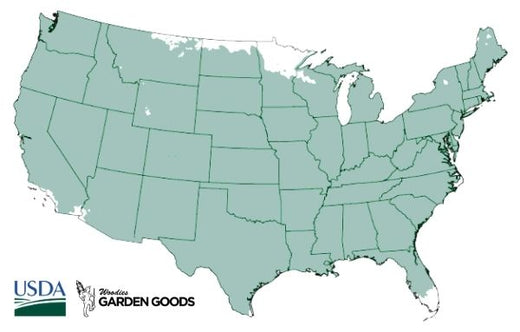
| Hardiness Zone: | 4-9 |
|---|---|
| Mature Height: | 8 to 15 Feet when trained |
| Mature Width: | 3 to 6 Feet when trained |
| Sunlight: | Full sun to part shade; best flowering in full sun |
| Water Requirements: | Regular watering during establishment; average moisture once established |
| Soil | Average to organically rich, moist but well-drained soil |
| Bloom Time / Color | Late spring through summer; may continue into fall; bright scarlet-red flowers |
| Ornamental Features | Abundant scarlet-red flowers; long bloom season; climbing habit; ornamental berries |
| Wildlife Value | Attracts hummingbirds, butterflies, and bees; berries feed birds; native honeysuckle supports moth caterpillars |
| Resistance | Generally considered deer resistant, Noted for strong resistance to powdery mildew |
| Landscape Uses | Trellises; fences; arbors; pergolas; hummingbird gardens; pollinator gardens; native landscapes; seasonal privacy screens |
How to Care for Major Wheeler Honeysuckle
Be sure to read our planting instructions to ensure a healthy and happy Major Wheeler Honeysuckle plant for years to come!

How should I plant Major Wheeler Honeysuckle?
Plant Major Wheeler Honeysuckle in full sun to part shade, choosing a location with at least six hours of direct sunlight for the strongest flowering performance. Select a site near a sturdy trellis, fence, arbor, or other climbing structure where its long flowering stems can be trained. Dig a hole approximately twice as wide as the root ball and just as deep, positioning the plant so the top of the root ball remains level with the surrounding soil. Backfill with native soil, water thoroughly, and apply mulch around the root zone while keeping it away from the stems. Because Major Wheeler is a twining vine, its stems must wrap around a support rather than attach themselves directly to smooth walls. Train young stems gently around the trellis or framework as they begin growing. Allow adequate space for the mature vine, and avoid planting it too close to structures where restricted airflow, excessive crowding, or difficult pruning access could become concerns.

How often should I water Major Wheeler Honeysuckle after planting?
Water Major Wheeler Honeysuckle deeply immediately after planting and maintain even soil moisture during the first growing season. Check the soil regularly and water when the upper few inches begin to dry. Newly planted vines growing in full sun, sandy soil, or unusually hot conditions may need more frequent watering while their roots develop. Deep, thorough watering is generally more effective than frequent shallow applications. Once established, Major Wheeler Honeysuckle becomes more adaptable to occasional periods of dryness, although consistent moisture during extended summer heat can help maintain healthy foliage and continued flowering. Avoid allowing the roots to remain in saturated soil for prolonged periods. A light layer of mulch around the root zone can help conserve moisture and reduce temperature fluctuations during hot weather.

When should I fertilize Major Wheeler Honeysuckle?
Major Wheeler Honeysuckle generally requires little supplemental fertilizer when grown in reasonably fertile garden soil. A light spring application of compost or a balanced slow-release fertilizer can support healthy new growth, particularly in poor soils. Apply fertilizer according to the product directions and avoid placing concentrated fertilizer directly against the stems or crown of the vine. Excessive nitrogen can encourage vigorous foliage production without a corresponding increase in flowers. When plants are already growing well and flowering abundantly, additional feeding is often unnecessary. Full sun, consistent moisture during establishment, and healthy soil are more important for maximizing the vine's flowering performance than heavy fertilizer applications.

When and how should I prune Major Wheeler Honeysuckle?
Prune Major Wheeler Honeysuckle in late winter or early spring when the plant is dormant and before strong new growth begins. Remove dead, damaged, weak, or heavily tangled stems first, then selectively shorten older growth to maintain the desired shape and prevent the vine from overwhelming its support. This timing helps manage the plant while preserving much of its upcoming flowering potential, since native trumpet honeysuckle can bloom on new growth. Light corrective pruning can also be performed after the main spring flowering display if stems become unruly. Avoid unnecessarily heavy pruning throughout summer, since it may remove developing flower clusters and reduce the extended bloom display that makes Major Wheeler so desirable. Older vines can be thinned selectively to improve airflow and encourage healthy branching.