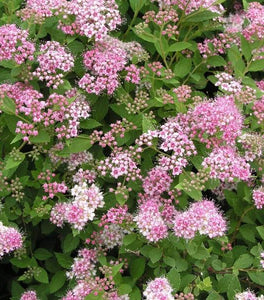
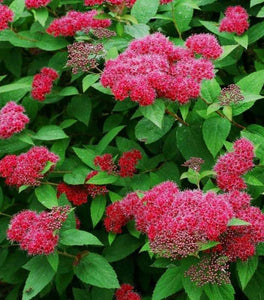
Images Depict Mature Plants
Double Bridal Wreath Spirea
Spiraea prunifolia 'Plena'
Double Bridal Wreath Spirea is the one I would use when the customer wants the old-fashioned, double white spring bloom look—not just a general white spirea. The key is giving it enough room to arch naturally, because that cascading habit is half the charm. Plant it in the sun, prune it right after bloom, and let the double flowers be one of the reasons you look forward to spring.

Save Up to 25% On Your Order! Limited Time Only!
Discount Applied Automatically At Checkout
📦 Free shipping on orders over $99.
Delay shipping by leaving us a message at Checkout.
Share:



The Double-Flowered Bridal Wreath Spirea for Classic Spring Beauty
Double White Flowers on Graceful Arching Branches
Double Bridal Wreath Spirea is the classic old-fashioned spring shrub known for arching branches covered in small, double white flowers. Botanically known as Spiraea prunifolia ‘Plena’, this deciduous shrub creates a soft cascading effect in the garden when its blooms appear along the stems in spring.
The double flowers give this form a fuller, more pompom-like look than single-flowered spirea types. When planted where the arching branches can be seen, Double Bridal Wreath Spirea brings that traditional “white wedding garland” look that homeowners often associate with older cottage gardens, foundation plantings, and spring hedges.
A Distinct Double-Flowered Form, Not Just Generic Bridal Wreath
This product page should be understood as the double-flowered Plena form of bridal wreath spirea. That matters because many plants are casually called bridal wreath spirea, but Spiraea prunifolia ‘Plena’ is valued for its full double white flowers and old-fashioned spring display.
Use Double Bridal Wreath Spirea when the customer specifically wants the classic double-flowering look. For broader bridal wreath searches, general spring hedge use, or a less cultivar-specific page, Garden Goods Direct’s existing Bridal Wreath Spirea page should remain the main landing page.
A Spring Flowering Shrub for Hedges and Cottage Gardens
Double Bridal Wreath Spirea works beautifully as a flowering hedge, mixed shrub border, specimen shrub, cottage garden anchor, or old-fashioned foundation plant. Its arching habit gives the shrub movement and softness, making it useful where a stiff formal hedge would feel too rigid.
Plant it in groups for a showy spring hedge, or use a single shrub as a focal point near a lawn edge, driveway, fence line, or garden entrance. Give it enough space so the branches can arch naturally instead of being constantly clipped.
Green Summer Foliage and Fall Color
After the spring flowers finish, Double Bridal Wreath Spirea becomes a clean green backdrop for the rest of the growing season. The small leaves create a tidy texture that blends well with hydrangeas, roses, evergreens, perennials, and other flowering shrubs.
In fall, the foliage may develop yellow, orange, or red tones depending on climate and site conditions. While the spring bloom is the main event, the shrub still earns its place as a dependable landscape plant through summer and fall.
Low Maintenance with Proper Pruning Timing
Plant Double Bridal Wreath Spirea in full sun to part shade with average, well-drained soil. Full sun encourages the strongest flowering, while part shade is acceptable, especially in hotter climates.
Because it blooms on old wood, prune right after flowering if shaping is needed. Avoid late summer, fall, or winter pruning, since that can remove the buds that would become next spring’s flowers. Once established, Double Bridal Wreath Spirea is generally low maintenance and adaptable.
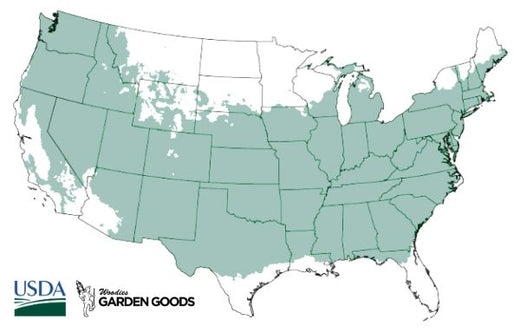
| Hardiness Zone: | 5-8 |
|---|---|
| Mature Height: | 4 to 8 Feet |
| Mature Width: | 4 to 8 Feet |
| Sunlight: | Full sun to part shade; best flowering in full sun |
| Bloom Time / Color: | Spring; double white flowers along arching stems |
| Soil Condition: | Average, medium moisture, well-drained soil |
| Water Requirements: | Water regularly after planting; average moisture once established |
| Wildlife Value: | Spring flowers may attract pollinators; dense branching can provide seasonal cover |
| Resistance (deer/disease/drought/etc.): | Generally low maintenance; generally considered deer resistant, though browsing can vary |
| Landscape Uses: | Flowering hedge, cottage garden shrub, foundation planting, mixed shrub border, specimen shrub, fence line planting, spring focal point, old-fashioned landscape planting |
How to Care for Double Bridal Wreath Spirea
Before purchasing your Double Bridal Wreath Spirea, be sure to read the recommended care instructions to ensure your plant remains happy and healthy for years to come!

How should I plant Double Bridal Wreath Spirea?
Plant Double Bridal Wreath Spirea in full sun to part shade with average, well-drained soil. Choose a site with enough room for the shrub’s natural arching habit, such as a mixed border, cottage garden, foundation bed, fence line, driveway edge, or flowering hedge. Dig a hole about twice as wide as the root ball and just as deep. Set the top of the root ball level with the surrounding soil, backfill with native soil, and water thoroughly. Mulch around the root zone, keeping mulch pulled back from the stems.

How often should I water Double Bridal Wreath Spirea after planting?
Water the Double Bridal Wreath Spirea deeply after planting, then keep the soil evenly moist during the first growing season. Water when the top few inches of soil begin to dry, especially during hot or windy weather. Once established, this spirea usually handles average landscape moisture well. Supplemental watering during extended dry periods will help maintain stronger growth, better flowering, and cleaner foliage.

When should I fertilize Double Bridal Wreath Spirea?
Fertilize Double Bridal Wreath Spirea in early spring if growth is weak or the soil is poor. A light application of compost or a balanced slow-release shrub fertilizer is enough for most established plants. Avoid heavy fertilizing, especially with high-nitrogen products, because too much soft growth can reduce the natural flowering-shrub character. Good sunlight, proper pruning time, and consistent establishment water are more important than frequent feeding.

When and how should I prune Double Bridal Wreath Spirea?
Prune Double Bridal Wreath Spirea immediately after it finishes blooming in spring. This timing is important because the shrub blooms on old wood, meaning next year’s flower buds form on growth produced after the current bloom cycle. Remove dead, damaged, or crossing stems first. To rejuvenate older plants, selectively remove some of the oldest stems at ground level after flowering rather than shearing the whole shrub into a tight shape. Avoid pruning in late summer, fall, or winter unless you are willing to sacrifice some of next spring’s flowers.