Images Depict Mature Plants
Hardy Begonia
Begonia grandis
Hardy Begonia is a great plant for gardeners with shade who want something more interesting than foliage alone. The flowers appear late, the leaves have a handsome red-backed detail, and the plant settles beautifully into a woodland border with hostas and ferns. Just remember that this is not a dry-shade plant. Give it rich soil, steady moisture, and a little patience in spring because it can be late to wake up.

20% Off Sitewide Sale!
Use Code 'ENDOFSEASON20' At Checkout
📦 Free shipping on orders over $99.
Delay shipping by leaving us a message at Checkout.
Share:Recommended Add-Ons



Hardy Begonia Brings Late-Season Color to Shady Garden Spaces
A True Perennial Begonia for Woodland Shade
Hardy Begonia, also known as Begonia grandis, is a shade-loving perennial that brings soft pink flowers and lush foliage to garden spaces where many flowering plants struggle. Unlike annual bedding begonias, this plant is grown for its ability to return in suitable climates, filling woodland gardens and shaded borders with graceful texture from summer into fall.
Homeowners love Hardy Begonia because it looks refined without feeling fussy. The plant forms a leafy mound with branching stems, heart-shaped green leaves, and reddish undersides that add quiet color even before the flowers appear. When many spring shade plants are finished, Begonia grandis steps in with fresh foliage and late-season blooms, helping shaded beds feel alive well past midsummer.
Pink Blooms and Red-Backed Leaves Add Soft Seasonal Interest
Hardy Begonia produces loose, dangling clusters of pink flowers from summer into early fall. The blooms have a delicate, almost woodland look, with a soft color that works especially well in shaded gardens where bright flowers can sometimes feel out of place. The flowers are also useful for extending seasonal color after early-blooming shade perennials have faded.
The foliage is just as important as the flowers. Begonia grandis has broad, asymmetrical, heart-shaped leaves that are green on top and often reddish beneath, with red-tinged stems and veining that add depth to the planting. This mix of soft blooms and textured foliage makes Hardy Begonia especially useful near patios, shaded walkways, woodland edges, and quiet garden corners where detail can be appreciated up close.
Perfect for Shade Borders, Woodland Gardens, and Naturalized Plantings
Hardy Begonia fits naturally into shade gardens, woodland borders, shaded slopes, and the front to middle of mixed perennial beds. It combines beautifully with hostas, ferns, heuchera, carex, brunnera, hellebores, Japanese forest grass, Solomon’s seal, and other plants that enjoy rich, moist, shaded conditions. The texture is lush but not heavy, which makes it easy to layer into existing shade plantings.
This plant can also naturalize gently in favorable locations. Over time, Begonia grandis may form small colonies by dropping tiny bulbils from the leaf axils in late summer and fall. For gardeners who want a fuller woodland effect, that spreading habit can be a benefit. In more formal beds, young seedlings or bulbils can be thinned or moved while small.
Moist, Rich Soil and Shade Keep Hardy Begonia Looking Its Best
Hardy Begonia performs best in partial shade to full shade with moist, organically rich, well-drained soil. It likes consistent moisture, especially during hot weather, but it should not sit in soggy or waterlogged soil. Think woodland conditions: rich soil, filtered light, steady moisture, and protection from harsh afternoon sun.
Avoid planting Begonia grandis in dry, shaded areas where tree roots aggressively compete for moisture. If the site is dry, improve the planting area with compost and water regularly while the plant establishes. In colder areas, a protective winter mulch can help insulate the crown and improve overwintering success. This is especially important during the first winter after planting.
Easy Care With a Few Important Considerations
Hardy Begonia is a low-stress perennial when planted in the right place, but it does have a few expectations homeowners should know. It is late to emerge in spring, so do not assume it has failed too early in the season. Mark the planting spot and wait for warmer soil before making a final judgment.
The plant dies back after frost and can be cleaned up in late fall or early spring. In colder climates, leaving the crown protected with mulch is often the better choice. Hardy Begonia is not a dry-site perennial and should not be treated like a drought-tolerant shade plant. Give it moisture, shade, organic soil, and winter protection where needed, and it becomes a beautiful late-season performer for the shaded garden.
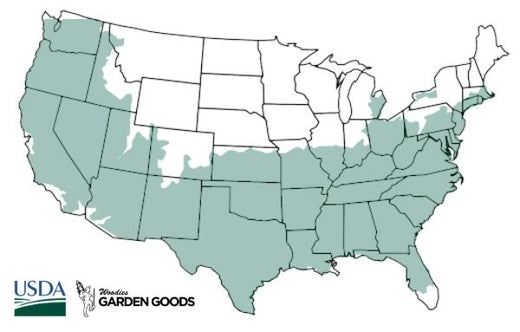
| Hardiness Zone: | 6-9 |
|---|---|
| Mature Height: | 18 to 24 inches |
| Mature Width: | 18 to 24 inches |
| Sunlight: | Part shade to full shade; dappled shade or afternoon shade is ideal |
| Soil | Moist, organically rich, well-drained soil |
| Water | Keep evenly moist; do not allow soil to dry out completely |
| Bloom Time / Color | Summer into early fall; soft pink flowers |
| Foliage: | Heart-shaped green leaves with reddish undersides and red-tinged veining |
| Ornamental Features | Pink late-season flowers, red-backed foliage, woodland texture, naturalizing habit |
| Wildlife Value | Blooms are visited by pollinators |
| Resistance | Tolerates heavy shade and black walnut; deer and rabbit resistance may vary by site |
| Landscape Uses | Shade borders, woodland gardens, naturalized areas, shaded walkways, containers, hosta and fern plantings |
How to Care for Hardy Begonia
Be sure to read our planting instructions to ensure a healthy and happy Hardy Begonia Plant for years to come!

How should I plant Hardy Begonia?
Plant Hardy Begonia in part shade to full shade with rich, moist, well-drained soil. Choose a location with filtered light, morning sun, or afternoon shade, and avoid hot full sun. Work compost into the planting area if the soil is sandy, compacted, or low in organic matter. Dig a hole about twice as wide as the root ball and set the plant so the top of the root ball is level with the surrounding soil. Backfill gently, water thoroughly, and mulch lightly to help keep the soil cool and evenly moist. Space plants about 18 to 24 inches apart for a full, natural look.

How often should I water Hardy Begonia after planting?
Water Hardy Begonia deeply after planting and keep the soil consistently moist during the first growing season. In warm weather, check the soil often and water when the top inch begins to dry. This plant prefers steady moisture and should not be allowed to dry out completely. Once established, Hardy Begonia still performs best with regular moisture, especially in dry shade or under trees. Avoid soggy soil, but do not treat it like a drought-tolerant perennial. A layer of mulch helps conserve moisture and protect the shallow root zone.

When should I fertilize Hardy Begonia?
Fertilize Hardy Begonia lightly in spring as new growth begins. A thin layer of compost or a gentle, balanced slow-release fertilizer is usually enough in healthy garden soil. Because this plant prefers rich woodland-style conditions, improving soil quality is often more useful than heavy feeding. Avoid pushing Hardy Begonia with too much fertilizer, especially late in the season. Excessive feeding can encourage soft growth and is not needed for good flowering. Stop fertilizing by late summer so the plant can naturally prepare for dormancy.

When and how should I prune / cut back Hardy Begonia?
Hardy Begonia needs very little pruning during the growing season. Remove damaged leaves as needed, and deadhead spent flowers if you want to keep the plant looking tidy or extend bloom. Otherwise, the plant can be left to grow naturally through summer and fall. After frost, the top growth will die back. You can cut the stems down after they collapse, or leave cleanup until early spring. In colder zones, it is often best to mulch over the crown after the plant goes dormant to help protect it through winter.