Images Depicted Range in Maturity & Container Size
Pots & Decorations Not Included Unless Otherwise Stated
Arabian Jasmine
Jasminum sambac
Arabian Jasmine is one of those plants that really earns its place, thanks to its memorable fragrance. I like it because the white flowers feel classic and elegant, the plant stays easy enough to use in containers or smaller spaces, and it adds something to a patio or entry garden that goes beyond just color. It is a great choice for homeowners who want a plant that smells every bit as good as it looks.

15% OFF SITEWIDE SALE
Use Code 'PRIMETIME15' At Checkout
📦 Free shipping on orders over $99.
Share:Recommended Add-Ons


Intensely Fragrant White Blooms for Patios and Sunny Spaces
A Jasmine Grown for Pure Fragrance and Elegant White Flowers
Arabian Jasmine is one of the most beloved jasmine plants for homeowners who want a strong fragrance and a refined floral look. Its white blooms are small, elegant, and richly scented, giving the plant a luxurious feel whether planted near a patio, entry, walkway, or a sunny outdoor living space. When in bloom, it brings exactly the kind of perfume people hope for when they plant jasmine.
That fragrance is one of the biggest reasons this plant stands out. Instead of offering only a visual display, Arabian Jasmine adds a sensory layer to the garden that makes outdoor spaces feel more welcoming and memorable. It is especially rewarding where the flowers can be enjoyed up close.
A Repeat-Blooming Tropical Shrub With Glossy Evergreen Foliage
Arabian Jasmine is also appealing because it offers more than a single short flowering window. In warm conditions, it can bloom repeatedly, giving homeowners multiple rounds of fragrant flowers through the growing season. The glossy evergreen foliage keeps the plant attractive even between bloom cycles, adding to its value as a patio or landscape plant.
This combination of repeat bloom and polished foliage makes it especially useful in decorative plantings. It has enough visual presence to stand on its own in a container, but it also works beautifully among other tropicals and flowering patio plants.
A Great Choice for Containers, Patios, and Warm-Climate Gardens
One of the strongest reasons to plant Arabian Jasmine is its versatility. It performs beautifully in pots and planters, which makes it an excellent choice for patios, porches, balconies, and courtyards. In warm climates, it can also be used in the landscape as a flowering evergreen shrub where the fragrance and bloom display can be appreciated more fully.
Because it stays in a manageable size range, it is easy to work into smaller outdoor spaces. Homeowners who want a fragrant plant without committing to a large vine or oversized shrub often find Arabian Jasmine to be one of the easiest and most rewarding choices.
A Strong Fit for Entry Gardens and Outdoor Living Spaces
Arabian Jasmine is especially effective near doors, seating areas, and pathways where the scent can be enjoyed as people pass by. It can soften the edge of a patio, add fragrance to an entry planting, or become the centerpiece of a decorative container garden.
This is the kind of plant that helps make an outdoor space feel more personal and intentional. It is not just a flowering shrub. It is a plant chosen for its atmosphere, beauty, and the way it changes the garden experience.
Easy-Care Beauty With Warmth and Sun
Arabian Jasmine performs best in full sun to part sun with well-drained soil and regular moisture during establishment. In cooler climates, it is often grown as a container plant that can be moved or protected when temperatures drop. Once settled into the right conditions, it becomes a dependable flowering plant with strong ornamental and sensory appeal.
For homeowners who want a fragrant jasmine with repeat white blooms, glossy foliage, and excellent patio performance, Arabian Jasmine is one of the most rewarding choices available.
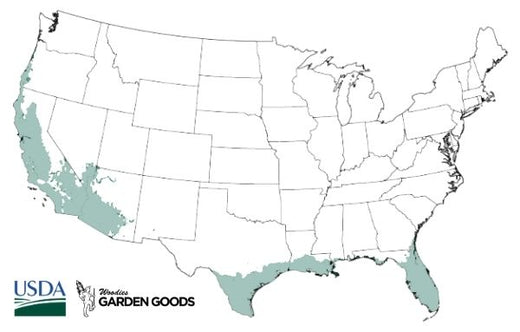
| Hardiness Zone: | 9-11 |
|---|---|
| Mature Height: | 3 to 6 Feet |
| Mature Width: | 3 to 6 Feet |
| Sunlight: | Full sun to part sun |
| Bloom Time / Color | Red |
| Soil Condition: | Well-drained soil |
| Water Requirements: | Regular moisture during establishment; average moisture once established |
| Ornamental Features | Intensely fragrant blooms, glossy evergreen foliage, repeat blooming habit |
| Resistance (deer/disease/drought/etc.) | Easy care when properly sited; may show moderate deer resistance in some landscapes |
| Landscape Uses | Grows well indoor and outdoor as a climbing vine |
How to Care for Arabian Jasmine
Be sure to read our planting instructions to ensure a healthy and happy Arabian Jasmine for years to come!
-v1775241355894.png?92x91)
How should I plant Arabian Jasmine?
Plant Arabian Jasmine in full sun to part sun in well-drained soil where it has room to develop its natural rounded shape. Dig a hole two to three times as wide as the root ball but no deeper than the root ball itself, and set the plant so the top of the root ball sits level with or slightly above the surrounding soil. Water thoroughly after planting. This plant works especially well in decorative containers, patio planters, entry gardens, and warm-climate borders where the fragrance can be appreciated up close. In cooler areas, container growing is often one of the best ways to enjoy it.
-v1775241381923.png?89x84)
How often should I water Arabian Jasmine after planting?
Water deeply right after planting and keep the soil evenly moist during the establishment period. Deep watering is more effective than frequent shallow watering because it encourages stronger root development and helps the plant settle in more successfully. Once established, Arabian Jasmine prefers regular moisture but should not sit in soggy soil. During hot weather or when grown in containers, it may need more frequent watering to keep the foliage healthy and the blooms coming.
-v1775241405917.png?90x89)
When should I fertilize Arabian Jasmine?
Arabian Jasmine usually benefits from light feeding during the growing season. A balanced slow-release fertilizer in spring, followed by light supplemental feeding as needed during active growth, can help support flowering and healthy foliage. Too much fertilizer can push excess leafy growth at the expense of bloom. A moderate approach is usually best for keeping the plant balanced and floriferous.

When and how should I prune Arabian Jasmine?
Arabian Jasmine usually needs only light shaping and cleanup. Remove dead, damaged, or weak stems and lightly trim after flowering to encourage a fuller shape and continued bloom production. It does not usually need aggressive pruning. A simple, regular shaping approach is usually enough to keep the plant tidy, healthy, and attractive.