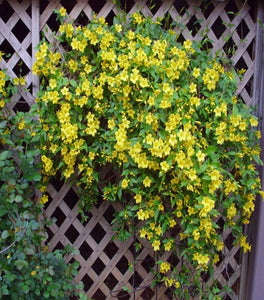
Images Depict Mature Plants
John Clayton Honeysuckle
Lonicera sempervirens f. sulphurea 'John Clayton'
John Clayton Honeysuckle is one of those native vines that deserves to be used more often. Most gardeners think of honeysuckle as having red or coral flowers, but John Clayton produces these beautiful soft yellow trumpets that really stand out against the blue-green leaves. I especially like it for gardeners who want to attract hummingbirds without planting something that will take over the entire garden. Give it a sunny trellis or fence, keep it watered while it establishes, and let the flowers and berries do the rest. It's a great alternative to invasive Japanese Honeysuckle and an excellent choice for anyone trying to bring more wildlife into their landscape.

15% Off Sitewide Sale!
Use Code 'SEASON15' At Checkout
📦 Free shipping on orders over $99.
Delay shipping by leaving us a message at Checkout.
Share:

A Native Yellow Honeysuckle Vine That Brings Hummingbirds into the Garden
Beautiful Yellow Trumpet Flowers That Attract Hummingbirds
John Clayton Honeysuckle is a beautiful native flowering vine valued for its clusters of soft yellow, trumpet-shaped flowers and its ability to attract hummingbirds throughout the growing season. Botanically known as Lonicera sempervirens ‘John Clayton’, this distinctive selection offers the wildlife benefits of native trumpet honeysuckle with an unusual flower color that sets it apart from the more familiar red and coral-flowering varieties.
The slender tubular flowers appear in clusters near the ends of the stems, creating a cheerful display against the vine's attractive blue-green foliage. Hummingbirds visit the nectar-rich blossoms, while bees and butterflies may also take advantage of the flowers. For gardeners who want to bring more life and movement into their landscapes, John Clayton Honeysuckle is an excellent addition to native gardens, pollinator plantings, and sunny outdoor living spaces.
Yellow Flowers from Late Spring with Repeat Blooms into Fall
One of the best features of John Clayton Honeysuckle is its extended seasonal flowering potential. The main display typically begins in late spring, often during May and June, when clusters of pale yellow flowers cover the growing stems. Additional blooms may appear periodically through summer and into fall, especially when the plant receives plenty of sunlight and is growing under favorable conditions.
This repeat-flowering habit makes John Clayton particularly appealing for gardeners who want more than a brief spring display. The bright yellow flowers provide early-season color, while later blossoms can continue to attract hummingbirds and other visitors. Unlike many flowering vines that produce a single concentrated flush of blooms, John Clayton offers the possibility of recurring color over several months.
A Native Climbing Vine for Trellises, Fences, and Arbors
John Clayton Honeysuckle is a twining woody vine that naturally climbs around suitable supports. It commonly grows approximately 6 to 12 feet long, making it more manageable than some larger honeysuckle selections. Its growth habit is particularly well suited to garden trellises, decorative fences, arbors, pergola posts, and other vertical structures where its flowering stems can be displayed.
For the most attractive results, provide sturdy support and guide new stems into position as the vine establishes itself. Plant John Clayton near a patio, walkway, or garden seating area where its yellow flowers and visiting hummingbirds can be appreciated. It can also be allowed to spread across the ground in naturalized settings, although vertical training generally shows off the flowers and ornamental berries more effectively.
Ornamental Red Berries Add Color and Wildlife Value
John Clayton Honeysuckle continues to provide ornamental interest after its first flowers have faded. By late summer and fall, clusters of bright red to orange-red berries develop along the stems, adding another season of color to the landscape. These fruits create an attractive contrast against the blue-green foliage and help extend the vine's decorative value beyond its main flowering period.
The berries are especially valuable to birds, providing a seasonal food source as the growing season progresses. They are not intended for human consumption, but they contribute to the vine's value to wildlife. In warmer climates, the foliage may remain partially evergreen through winter, while plants in colder regions generally lose their leaves as temperatures fall.
Easy Care and Excellent for Native Wildlife Gardens
John Clayton Honeysuckle grows best in full sun to part shade, with the heaviest flowering generally occurring in sunny locations. It prefers average to moderately moist, well-drained soil and responds well to a light layer of mulch that helps conserve moisture around the roots. Water regularly while the plant establishes, then provide supplemental moisture during extended dry periods.
Unlike invasive Japanese Honeysuckle, John Clayton is a cultivated selection of North American native trumpet honeysuckle. It is generally considered deer resistant and requires relatively little maintenance once established. Prune as needed after the main spring flowering period to control size and encourage a well-branched appearance. With proper support and a sunny planting location, this beautiful yellow honeysuckle can become a reliable flowering feature for years.
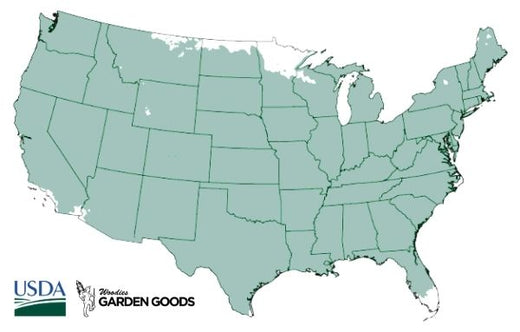
| Hardiness Zone: | 4-9 |
|---|---|
| Mature Height: | 6 to 12 Feet when supported |
| Mature Width: | 3 to 5 Feet when supported |
| Sunlight: | Full sun to part shade; best flowering in full sun |
| Water Requirements: | Regular watering during establishment; average moisture once established |
| Bloom Time / Color | May to June; intermittent rebloom into fall; pale yellow trumpet-shaped flowers |
| Ornamental Features | Yellow tubular flowers; repeat blooming; blue-green foliage; red berries; twining stems |
| Wildlife Value | Attracts hummingbirds; butterflies; bees; fruit-eating birds |
| Resistance | Generally considered deer resistant |
| Landscape Uses | Trellises; arbors; fences; native gardens; hummingbird gardens; wildlife gardens; vertical accents; naturalized plantings |
How to Care for John Clayton Honeysuckle
Be sure to read our planting instructions to ensure a healthy and happy John Clayton Honeysuckle plant for years to come!

How should I plant John Clayton Honeysuckle?
Plant John Clayton Honeysuckle in a location that receives full sun to part shade, with at least six hours of sunlight preferred for the most abundant flowering. Choose a spot near a trellis, fence, arbor, or other sturdy structure that can support the vine as it matures. Prepare a planting hole approximately twice as wide as the root ball and just as deep, then position the plant so the top of the root ball is level with the surrounding soil. Backfill with native soil, water thoroughly, and apply a layer of mulch around the root zone while keeping it away from the stems. As new growth develops, gently guide the twining stems around the support structure. Unlike vines that attach themselves to walls with adhesive roots, John Clayton Honeysuckle climbs by wrapping its stems around available supports, so a trellis, wire framework, or similar structure is important for vertical growth.

How often should I water John Clayton Honeysuckle after planting?
Water John Clayton Honeysuckle thoroughly immediately after planting, then keep the soil evenly moist while the root system becomes established. During the first growing season, check soil moisture regularly and water deeply when the upper few inches begin to dry. Plants growing in full sun or sandy soils may require more frequent watering than those in cooler, moisture-retentive locations. Once established, John Clayton Honeysuckle is adaptable and can tolerate occasional periods of dryness. However, consistent moisture during prolonged summer heat helps maintain healthy foliage and supports additional flowering. Avoid keeping the roots constantly saturated, since good drainage is important for long-term plant health.

When should I fertilize John Clayton Honeysuckle?
John Clayton Honeysuckle generally requires only modest fertilization when growing in reasonably fertile garden soil. In early spring, a light application of compost or a balanced slow-release fertilizer can support new growth, especially when the plant is established in poor soil. Follow the fertilizer manufacturer's instructions and avoid placing concentrated fertilizer directly against the stems. Excessive nitrogen can encourage vigorous leafy growth without providing a corresponding increase in flowers. For the best flowering performance, prioritize adequate sunlight, proper watering, and healthy soil over frequent feeding. Established plants growing well and flowering normally may not require additional fertilizer every year.

When and how should I prune John Clayton Honeysuckle?
Prune John Clayton Honeysuckle shortly after its main spring flowering period to maintain the desired size, remove tangled growth, and encourage a balanced climbing habit. Remove dead, damaged, or crossing stems first, then selectively shorten overly long shoots as necessary. This approach helps preserve the vine's natural appearance while keeping it within the boundaries of its trellis or support. Because John Clayton can produce additional flowers later in the growing season, avoid unnecessary heavy pruning during summer. Major pruning can remove developing flowers and ornamental berries. Older plants can be selectively thinned to improve airflow and rejuvenate growth, while lighter corrective pruning can be performed as needed to keep stems from obstructing pathways or nearby plants.