Images Depict Mature Plants
First Editions® Eclipse™ Hydrangea
Hydrangea macrophylla ‘Bailmacseven’
Eclipse is one of those hydrangeas that gets my attention before it ever produces a flower. The foliage is so dark it almost looks black, and unlike some other purple-leaved plants, it holds that color even during summer. Then the cranberry or amethyst mophead flowers open, and the contrast is outstanding. I particularly like Eclipse near golden foliage plants or white-flowering perennials, where the dark leaves really stand out. Give it morning sun, afternoon shade, and consistent moisture. Most importantly, don't get carried away with the pruning. Eclipse blooms on old and new wood, and leaving those healthy stems alone gives you the best opportunity for a full summer flower display.

15% Off Sitewide Sale!
Use Code 'SEASON15' At Checkout
📦 Free shipping on orders over $99.
Delay shipping by leaving us a message at Checkout.
Share:


A Dark Leaf Hydrangea with Brilliant Cranberry and Amethyst Blooms
Dramatic Nearly Black Foliage That Stays Beautiful All Season
First Editions® Eclipse™ Hydrangea brings an entirely different appearance to the traditional Bigleaf Hydrangea. Instead of the bright green leaves commonly associated with mophead hydrangeas, Eclipse produces intensely dark purple foliage that appears nearly black in the landscape. Botanically known as Hydrangea macrophylla ‘Bailmacseven’, this extraordinary flowering shrub creates an immediate focal point in foundation beds, mixed borders, and decorative containers, even before its first flowers begin opening.
What makes Eclipse particularly impressive is its ability to maintain that dark foliage color throughout the growing season. Some dark-leaved plants gradually turn greener in summer heat, but Eclipse was specifically selected for its reliably rich foliage. Its broad, nearly black-purple leaves create striking contrast with surrounding green, gold, chartreuse, and silver plants. For homeowners looking for a Black Leaf Hydrangea that provides more than seasonal flowers, Eclipse offers exceptional ornamental value from spring through fall.
Cranberry and Amethyst Mophead Flowers Create Stunning Contrast
The flowers of First Editions Eclipse Hydrangea are just as impressive as its foliage. Large, rounded mophead flower clusters emerge in rich cranberry or amethyst tones, creating an unforgettable display against the dark purple leaves. The colorful flowers provide the classic fullness gardeners love about Bigleaf Hydrangeas while giving the plant a much more dramatic appearance than traditional green-foliaged varieties.
Like many Hydrangea macrophylla selections, Eclipse responds to soil chemistry. In more alkaline soils, its flowers generally develop cranberry-red or deep rose-pink tones, while acidic conditions can encourage richer amethyst or purple coloration. The precise color varies with growing conditions, but both possibilities create outstanding contrast against the nearly black foliage. This combination makes Eclipse a beautiful choice for homeowners seeking something distinctive for a specimen planting, mixed shrub border, or patio garden.
Reblooming Flowers Extend Summer Color in the Garden
First Editions Eclipse Hydrangea is a reblooming Bigleaf Hydrangea capable of producing flowers on both old and new wood. The first flowers typically appear during early summer, followed by additional blooms later in the growing season when conditions are favorable. This extended flowering potential allows homeowners to enjoy the combination of dark foliage and colorful mophead flowers beyond the initial bloom period.
Because Eclipse produces flowers on both older stems and new growth, it offers more flowering opportunities than many traditional Bigleaf Hydrangeas that rely primarily on old wood. However, proper pruning is still important. Avoid cutting the plant back heavily in fall or early spring, as this can remove flower buds that would produce the earliest blooms. With proper care, Eclipse provides an impressive combination of long-lasting foliage color and repeat summer flowering.
A Compact Hydrangea for Foundations, Borders, and Containers
Eclipse Hydrangea develops a naturally rounded, mounding habit, commonly reaching approximately 3 to 5 feet tall and wide. This manageable size makes it an attractive choice for foundation plantings, decorative shrub borders, patio gardens, and smaller residential landscapes where a much larger hydrangea would overwhelm the available space. Its dark foliage provides structure and contrast throughout the growing season, while the colorful flowers create an additional summer focal point.
In mixed plantings, Eclipse looks especially beautiful with golden Japanese Forest Grass, lime-green Hostas, chartreuse foliage shrubs, white-flowering perennials, and silver-leaved Brunnera. The dark leaves help lighter-colored companions stand out while creating depth in the landscape. Plant Eclipse as a specimen near an entryway or patio, or repeat several shrubs throughout a garden bed to create a dramatic combination of foliage texture and summer flower color.
Easy-Care Bigleaf Hydrangea for Morning Sun and Afternoon Shade
First Editions Eclipse Hydrangea grows best in locations that receive morning sunlight and are protected from intense afternoon heat. This combination provides enough light to support healthy growth and flowering while reducing the stress that hot afternoon sun can place on Bigleaf Hydrangeas. Plant it in fertile, well-drained soil containing organic matter, and maintain consistent moisture throughout the growing season. Unlike drought-tolerant shrubs, Eclipse appreciates regular watering, particularly during summer heat and as it becomes established.
Routine maintenance is straightforward when the shrub is planted in the right location. Apply mulch around the root zone to help conserve moisture, fertilize lightly in spring, and avoid unnecessary heavy pruning. Remove dead stems after new growth begins in spring, then deadhead faded flowers during summer as needed. Hardy in USDA Zones 5 to 9, Eclipse combines remarkable dark foliage, beautiful reblooming flowers, and a compact growth habit in a flowering shrub that brings a bold new look to residential landscapes.
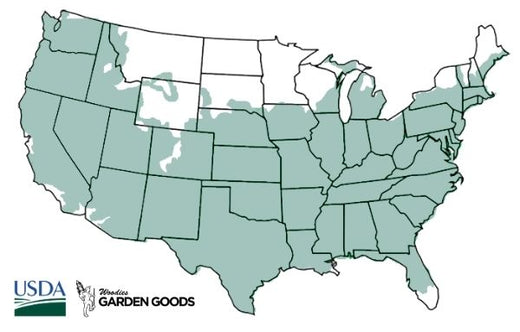
| Hardiness Zone: | 5-9 |
|---|---|
| Mature Height: | 3 to 5 feet |
| Mature Width: | 3 to 5 feet |
| Sunlight: | Morning sun; part shade; protection from intense afternoon sun |
| Bloom Time / Color: | Early summer with potential repeat flowering into late summer; cranberry or amethyst flowers |
| Soil Condition: | Fertile, organically enriched, moist but well-drained soil |
| Water Requirements: | Medium to high moisture requirements; regular watering during dry weather |
| Ornamental Features: | Nearly black foliage; cranberry or amethyst flowers; dark summer foliage; compact habit |
| Wildlife Value: | Flowers may attract bees and other flower-visiting insects |
| Resistance: | Good disease resistance, including strong mildew resistance |
| Landscape Uses: | Foundation plantings; specimen shrubs; mixed borders; patio containers; colorful shrub groups; part-shade gardens |
How to Care for First Editions® Eclipse™ Hydrangea
Be sure to read our planting instructions to ensure a healthy and happy First Editions® Eclipse™ Hydrangea, Eclipse Bigleaf Hydrangea plant for years to come!

How should I plant First Editions® Eclipse™ Hydrangea?
Plant Eclipse Hydrangea in well-drained soil where it has room to develop its compact rounded shape. Dig a hole two to three times as wide as the root ball but no deeper than the root ball itself, and set the shrub so the top of the root ball sits level with or slightly above the surrounding soil. Choose a location with part shade or filtered sun, especially in warmer climates. This hydrangea works especially well in patio planters, front-entry beds, foundation corners, and smaller focal-point garden spaces. It is best placed where the foliage and blooms can be enjoyed up close and where harsh afternoon exposure will not wash out the best ornamental quality.

How often should I water First Editions® Eclipse™ Hydrangea after planting?
Water deeply right after planting and keep the soil evenly moist during the first growing season. Deep watering is more effective than frequent shallow watering because it encourages stronger root development and helps the shrub establish more successfully. Once established, Eclipse still prefers steady moisture and should not be allowed to dry out for long stretches, especially during hot weather. Mulch helps regulate temperature and retain moisture, which supports stronger foliage and bloom performance.

When should I fertilize First Editions® Eclipse™ Hydrangea?
Eclipse Hydrangea usually does not need heavy feeding. A light application of balanced slow-release fertilizer in early spring is usually enough if the plant appears to need support. In many landscapes, good moisture and appropriate light are more important than frequent fertilization. Too much fertilizer can encourage overly soft growth at the expense of balanced flowering and dense habit. A moderate approach is generally best for a hydrangea grown mainly for foliage and bloom display.

When and how should I prune First Editions® Eclipse™ Hydrangea?
Eclipse Hydrangea usually needs only light pruning. Remove dead, damaged, or awkward stems and preserve the plant’s natural rounded form rather than cutting it back too hard. If shaping is needed, prune lightly in early spring and avoid overly aggressive pruning. The goal is to keep the shrub balanced and attractive while preserving the strongest possible bloom and foliage display.