

Images Depict Mature Plants
Frostkiss® Molly’s White Hellebore
Helleborus x hybridus 'EPBRD01'
Molly’s White is one of those plants I always tell people to put where they’ll actually see it in winter—by the front door, along the walkway, or right outside a window—because those creamy white blooms show up when you’re desperate for a sign of spring. The foliage stays handsome, it behaves in shade, and once it’s settled in, it’s the kind of evergreen perennial that quietly upgrades the whole bed year after year.

20% Off Sitewide Sale!
Use Code 'ENDOFSEASON20' At Checkout
📦 Free shipping on orders over $99.
Delay shipping by leaving us a message at Checkout.
Share:Recommended Add-Ons


Frostkiss® Molly’s White Hellebore For Winter Blooms In Shade
Crisp White Blooms When Your Garden Needs Hope The Most
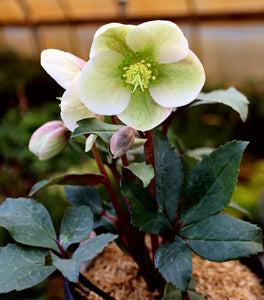
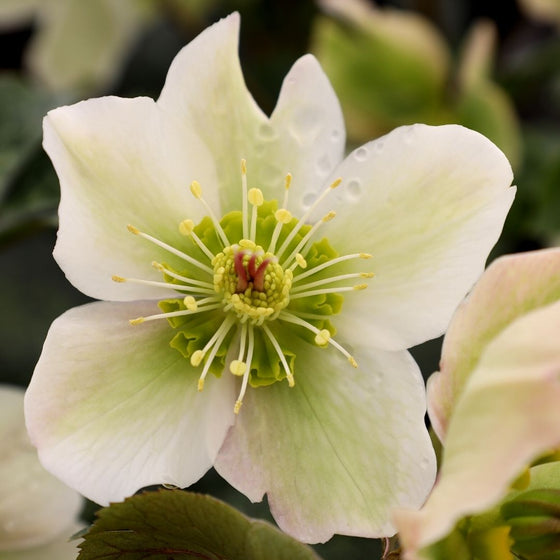
Frostkiss® Molly’s White Hellebore is the late-winter flower that makes shade beds feel alive again. While most perennials are still sleeping, this hellebore pushes up creamy white blooms that read bright and clean against bark, mulch, and evergreen backdrops. The flowers are long-lasting and tend to face outward more than many older hellebores, so the color shows without you having to crouch down and “hunt” for blooms under the petals.
That outward-facing habit makes Molly’s White a perfect choice near walkways, entries, patios, and windows, anywhere you’ll actually see it during the quiet season. It also plays beautifully with early bulbs and woodland favorites, creating a layered, designed look in late winter that feels intentional instead of “waiting for spring.” If you want a perennial that earns its keep before the growing season even starts, Molly’s White is a smart, confidence-building pick.
Evergreen Foliage That Keeps Shade Beds Looking Finished
One reason gardeners fall in love with hellebores is the foliage, and Molly’s White delivers. It forms a tidy clump of leathery, evergreen-to-semi-evergreen leaves that adds structure year-round, especially in shade beds where many perennials disappear, leaving gaps. In winter and early spring, that evergreen base layer makes the garden look planted—not bare and provides the visual weight that helps a bed feel “done.”
Use it as an anchor along the front of a shade border, as a repeating underplanting beneath shrubs, or as a calm evergreen rhythm along a woodland edge. The foliage pairs naturally with hostas, ferns, heuchera, epimedium, and shade grasses, adding texture without visual clutter. The result is a shade planting that looks polished year-round, not just at peak bloom.
Low-Maintenance, Deer-Resistant Performance For Real-Life Gardens
Molly’s White is a “plant it and enjoy it” perennial, especially valuable in deer-prone areas, where hellebores are typically left alone. Once established, it’s also relatively tolerant of short dry spells compared to many shade perennials, particularly when planted in rich, well-drained soil and mulched lightly. That combination—deer resistance, evergreen structure, and early bloom makes it one of the most practical long-term investments for shade gardens.
The biggest success factor is simple: drainage. Hellebores like moisture, but they do not want wet feet. Keep mulch off the crown, water deeply but not constantly, and focus on soil that drains well (even clay can work if drainage is good). Get those basics right, and Molly’s White comes back fuller each year with minimal fuss and a reliably clean bloom display.
Perfect For Shade Borders, Underplanting, And Clean Spacing Design
Frostkiss® Molly’s White matures into a medium, substantial clump, present enough to anchor a planting, but compact enough for tighter foundation beds. It shines at the front of shade borders, beneath open-canopy trees, and as a repeating underplanting where you want evergreen structure and winter-to-spring flowers without crowding. It also performs beautifully in containers near shaded entries, giving you real bloom season when most pots are empty.
Spacing is where you lock in that high-end look. Give each plant room to form a full clump and show off its foliage, then let repeats knit into a cohesive drift over time. Finish it off with one simple seasonal move: in late winter, remove older leaves so the blooms aren’t hidden. With thoughtful placement and clean spacing, Molly’s White becomes the quiet backbone plant that makes the entire shade bed look more designed.
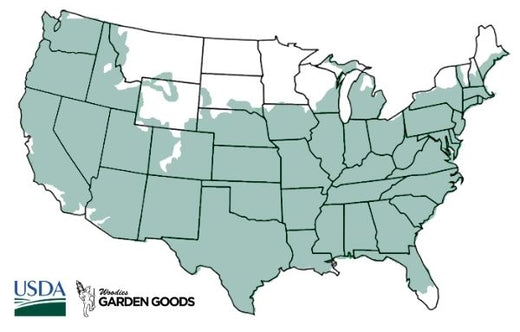
| Hardiness Zone: | 5-9 |
|---|---|
| Mature Height: | 18 to 24 Inches |
| Mature Width: | 18 to 24 Inches |
| Sunlight: | Part shade to shade (morning sun ideal) |
| Water Requirements: | Medium; consistent moisture while establishing, then moderate |
| Soil | Rich, well-drained soil; tolerates clay if drainage is good |
| Bloom Time / Color | Late winter to spring; creamy white flowers (often with subtle green tones) |
| Wildlife Value | Early-season interest; limited pollinator support in cold weather |
| Resistance | Deer resistant; drought tolerant once established; prefers good drainage |
| Landscape Uses | Shade borders, foundation beds, woodland gardens, underplanting shrubs, winter interest, containers |
How to Care for Frostkiss® Molly’s White Hellebore
Before you buy a Frostkiss® Molly’s White Hellebore, make sure to read about the care instructions that are recommended to keep this plant healthy and thriving.
-v1745677545761.png?92x91)
How should I plant Frostkiss® Molly’s White Hellebore?
Plant Frostkiss® Molly’s White Hellebore in part shade to shade in well-drained soil. Dig a hole about twice as wide as the root ball and set the plant so the crown sits at the same level it was in the pot—do not bury the crown. Backfill, water deeply to settle the soil, top-dress with compost, then mulch lightly, keeping the mulch a few inches away from the crown. If your soil is heavy, plant slightly high and focus on drainage and organic matter rather than digging a “bathtub” hole that holds water. Once planted correctly, hellebores are long-lived perennials that improve year after year, so it’s worth choosing the right spot and planting with clean, crown-level placement.
-v1745677572352.png?89x84)
How often should I water Frostkiss® Molly’s White Hellebore after planting?
Water deeply right after planting, then keep the soil evenly moist for the first 6–8 weeks while roots establish. In most gardens, that means a deep soak about once per week, increasing during warm, dry stretches or if tree roots compete for moisture. The goal is steady moisture, not constant wetness. After establishment, water during extended dry spells, especially in summer heat. Molly’s White is more drought-tolerant than many shade perennials once rooted, but it flowers and looks best with consistent moisture paired with good drainage—avoid soggy soil around the crown.
-v1745677591945.png?90x89)
When should I fertilize Frostkiss® Molly’s White Hellebore?
Fertilize in early spring as growth begins with a balanced slow-release fertilizer, or use a top-dressing of compost. Hellebores respond well to organic matter, and a yearly compost refresh often provides all the nutrition needed for strong foliage and flowering. Avoid heavy, frequent feeding. Too much fertilizer can push soft growth and reduce the plant’s naturally sturdy habit. If performance seems sluggish over time, improving soil richness and moisture consistency usually makes a bigger difference than adding more fertilizer.

When and how should I prune Frostkiss® Molly’s White Hellebore?
In late winter, remove older, tired leaves at the base to showcase the flowers and improve airflow. This “leaf cleanup” is the simplest trick to make hellebore blooms look brighter and cleaner, especially for light-colored varieties like Molly’s White. After flowering, leave healthy foliage in place through the growing season because it fuels next year’s bloom and keeps shade beds looking full. Remove any damaged leaves as needed, but avoid cutting the plant down hard in summer—small seasonal cleanup keeps it elegant without turning care into a project.