

Images Depict Mature Plants
Mahogany Snow Hellebore
Helleborus x ballardiae 'Mahogany Snow' PP#23898
Mahogany Snow is the hellebore I use when I want winter to feel warmer. Those creamy blooms with pink backs slowly deepening into mahogany tones are pure magic in a shaded bed, and the evergreen foliage keeps everything looking planted even when the garden is quiet. Give it good drainage, keep moisture steady in year one, and do that late-winter leaf cleanup so the flowers aren’t hidden, and it’ll reward you for years.

15% OFF SITEWIDE SALE
Use Code 'PRIMETIME15' At Checkout
📦 Free shipping on orders over $99.
Delay shipping by leaving us a message at Checkout.
Share:



Mahogany-Toned Winter Hellebore With Evergreen Shade-Garden Structure
Color-Changing Winter Blooms That Feel Warm In The Cold Season
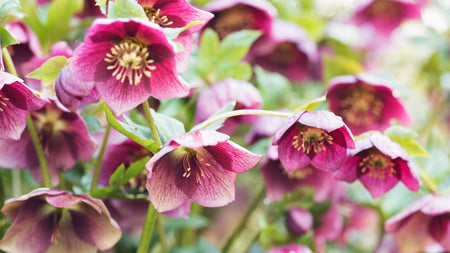
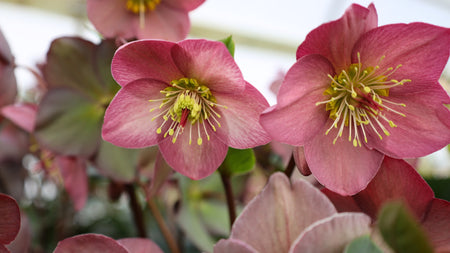
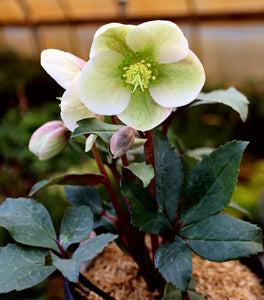
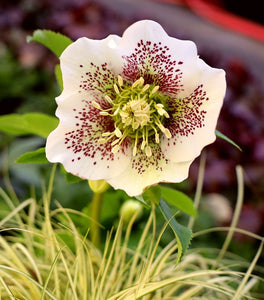
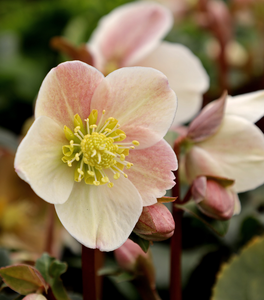
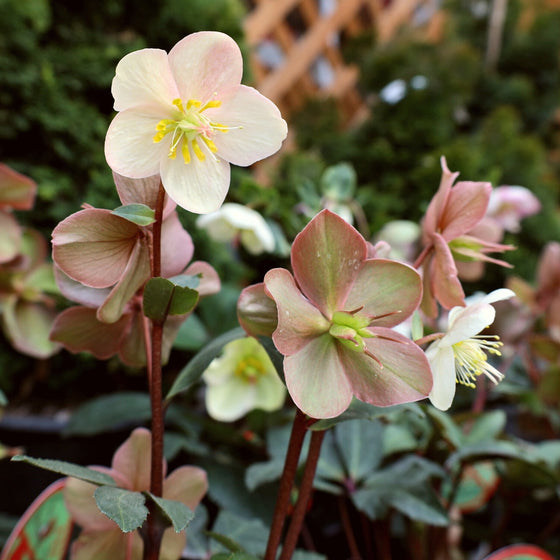
Mahogany Snow Hellebore is one of those plants that makes you look forward to winter gardening. The blooms open a clean, creamy white, then show strong pink backsides that deepen as the season progresses, often aging into rose and mahogany tones for a rich, “warming” effect in the landscape. Because each flower lasts for weeks, you don’t just get a quick pop of color; you get a long, slow shift that feels elegant and intentional from winter into early spring.
Place it where you’ll actually see the transformation near an entry, along a walkway, beside a shaded patio, or at the front edge of a woodland border. The blooms glow against bark, stone, and evergreen foliage, and the reddish stems add subtle contrast that reads refined rather than loud. If you want winter flowers that look sophisticated (not novelty), Mahogany Snow delivers.
Evergreen Foliage That Anchors Shade Beds Year-Round
Even after bloom, Mahogany Snow keeps doing the job with a compact mound of leathery, evergreen foliage. That year-round structure is a big deal in shade beds and under deciduous trees, where many perennials disappear, leaving the garden looking unfinished. Mahogany Snow stays present, adding texture and a tidy, planted look through every season.
Use it as a front-of-border anchor, repeat it in small drifts for a curated woodland feel, or tuck it beneath shrubs to create a clean evergreen base layer. It pairs beautifully with hostas, ferns, heuchera, epimedium, and shade grasses, adding “quiet” structure without visual clutter. The result is a shade planting that looks designed in January, not just in June.
Deer Resistance And Low-Fuss Reliability You Can Count On
Mahogany Snow thrives in partial shade to full shade, preferring rich, well-drained soil that stays evenly moist while it establishes. Once rooted in, it becomes more tolerant of short, dry spells than many shade perennials, especially when lightly mulched to buffer moisture swings. The key is drainage: hellebores love consistent moisture, but they do not like wet feet, especially in winter.
It’s also generally deer and rabbit-resistant, which makes it a smart long-term investment for woodland gardens and foundation beds where browsing can be relentless. There’s no staking and no complicated bloom routine. The biggest “pro” move is a quick late-winter leaf cleanup so flowers aren’t hidden, simple, fast, and it makes the entire plant look instantly more polished.
A Compact, High-Impact Choice For Borders, Containers, And Gentle Slopes
Mahogany Snow’s compact habit makes it easy to place and easy to repeat. In the ground, it’s ideal at the front of shade borders, along woodland edges, and beneath open-canopy trees where winter blooms feel like a small miracle. In foundation plantings, it provides evergreen structure without taking over, and in small groups, it creates a high-end, intentional rhythm that elevates the whole bed.
It’s also excellent in containers near shaded entries, bringing real bloom season to pots when most planters are bare. On gentle slopes, it can be a strong performer when drainage is good, and mulch helps hold moisture during establishment. Give it room to mature, keep moisture steady in year one, and you’ll have a long-lived hellebore that returns early and looks refined for seasons.
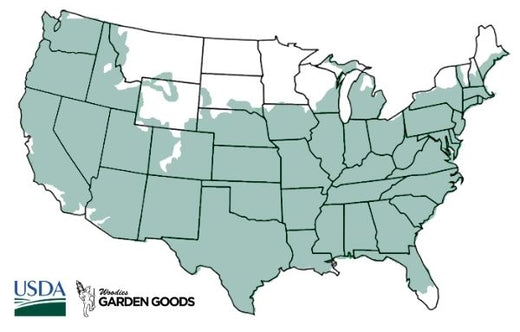
| Hardiness Zone: | 5-9 |
|---|---|
| Mature Height: | 12 to 15 Inches |
| Mature Width: | 18 to 20 Inches |
| Sunlight: | Partial shade to full shade (morning sun is fine) |
| Water Requirements: | Moderate; consistent moisture while establishing |
| Soil | Rich, well-drained, organic soil |
| Bloom Time / Color | Winter to early spring; creamy white blooms with pink backs that age rose to mahogany tones |
| Resistance (deer/disease/drought/etc.) | Deer and rabbit resistant; moderate drought tolerance once established |
| Wildlife Value | Early-season nectar/pollen on mild days |
| Landscape Uses | Shade borders, woodland gardens, under trees, foundation beds, containers, winter interest, gentle slopes |
How to Care for Mahogany Snow Hellebore
Before you buy a Mahogany Snow Hellebore, read the recommended care instructions to keep this plant healthy and thriving.
-v1760368511945.png?92x91)
How should I plant Mahogany Snow Hellebore?
Plant Mahogany Snow Hellebore in partial shade to full shade in rich, well-drained soil. Dig a hole about twice as wide as the root ball and set the plant so the crown sits level with the surrounding soil—do not bury the crown. Backfill, water deeply, and top-dress with compost, then mulch lightly while keeping mulch a few inches away from the crown. If your soil holds water in winter, plant slightly high and focus on improving drainage with organic matter rather than digging a deep “bathtub” hole. Hellebores are long-lived and improve over time, so placing it correctly from day one is the best way to get a fuller clump and a stronger winter bloom show.
-v1760368537684.png?89x84)
How often should I water Mahogany Snow Hellebore after planting?
Water thoroughly at planting, then keep the soil evenly moist for the first growing season. In most gardens, that means deep watering about once per week, increasing during warm, dry stretches or where tree roots compete for moisture. The goal is consistent moisture without soggy soil around the crown. Once established, Mahogany Snow becomes more tolerant of short dry spells, especially in shade and with mulch. Water during extended drought and summer heat to keep foliage looking its best and to support bud development for the next winter-to-early-spring bloom cycle.
-v1760368555333.png?90x89)
When should I fertilize Mahogany Snow Hellebore?
Fertilize lightly in early spring as new growth begins, using a balanced slow-release fertilizer, or top-dress with compost. Hellebores respond well to organic matter, and a yearly compost refresh is often enough for sturdy foliage and dependable blooms. Avoid heavy late-season feeding. Too much fertilizer can push soft growth and reduce the plant’s naturally compact, durable habit. If performance seems sluggish, improving soil richness and moisture consistency usually makes a bigger difference than adding more fertilizer.ertilize in early spring with a slow-release, balanced fertilizer or compost to encourage lush growth and vibrant blooms. A midsummer compost top-dressing is beneficial for maintaining soil fertility and ensuring long-term performance. Avoid overfeeding, which can reduce flowering.

When and how should I prune Mahogany Snow Hellebore?
In late winter, remove older, tired leaves at the base to showcase emerging flower stems and improve airflow. This quick cleanup is the easiest way to make the white blooms and pink backsides visible, and it keeps the clump looking crisp as the flowers age into mahogany tones. After flowering, cut spent flower stems at the base to tidy the plant and direct energy into foliage and roots. Leave healthy leaves in place through summer and fall, since they fuel next season’s bloom and keep shade beds looking finished with evergreen structure.