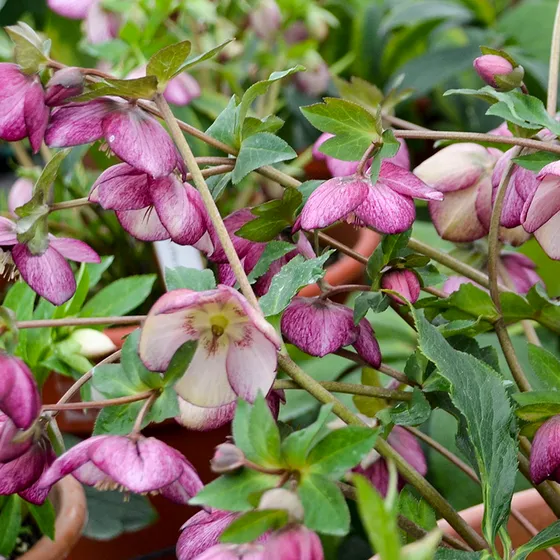
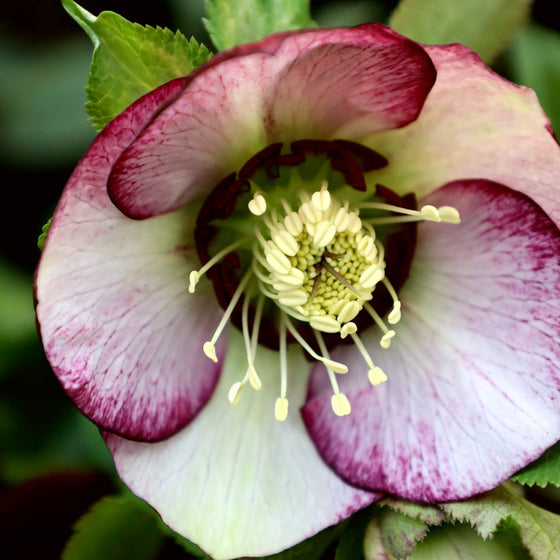


Images Depict Mature Plants
French Kiss Hellebore
Helleborus x French Kiss
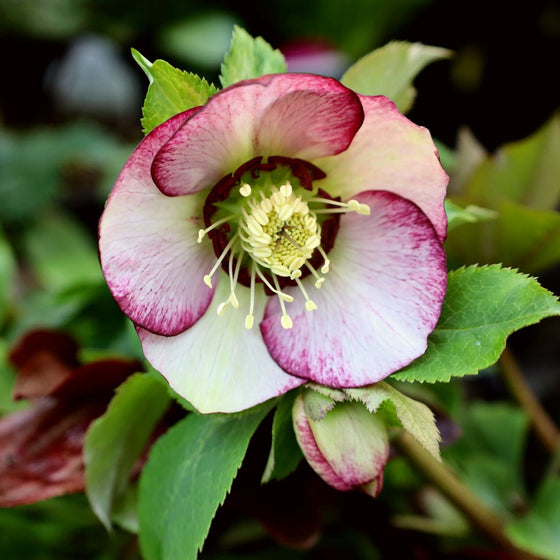
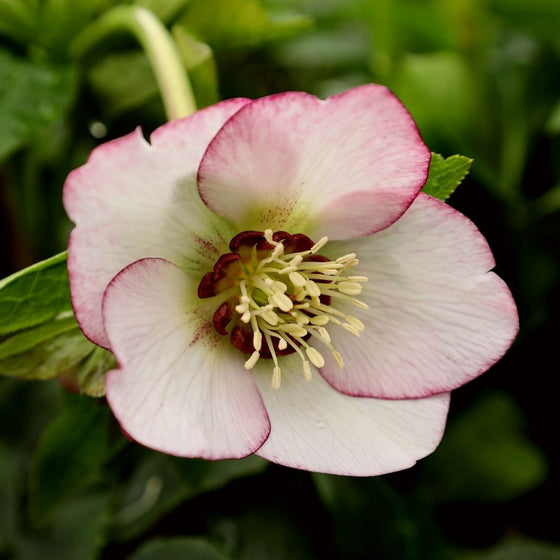
French Kiss is one of my favorite “close-up” hellebores—the blooms look like someone traced them with raspberry ink, and that crisp white flower color absolutely glows in late winter shade. Add in the evergreen mound and deer resistance, and it becomes a plant you can build a whole woodland border around. Give it good drainage, keep it evenly moist in year one, and do that quick late-winter leaf cleanup so the blooms can shine.

20% Off Sitewide Sale!
Use Code 'ENDOFSEASON20' At Checkout
📦 Free shipping on orders over $99.
Delay shipping by leaving us a message at Checkout.
Share:


Pink-And-White Winter Hellebore For Evergreen Shade Gardens
Romantic Winter Blooms With Hand-Painted Detail
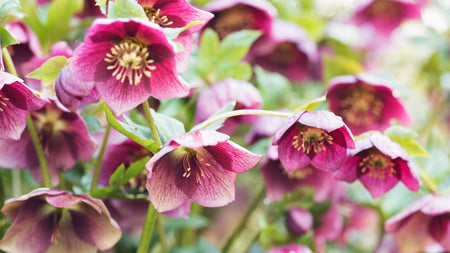
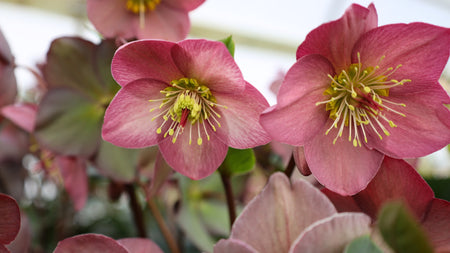
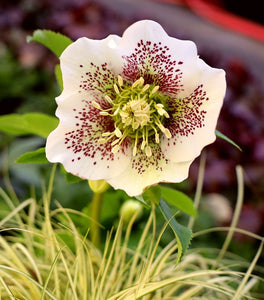
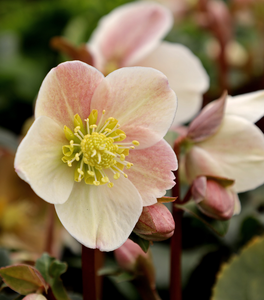
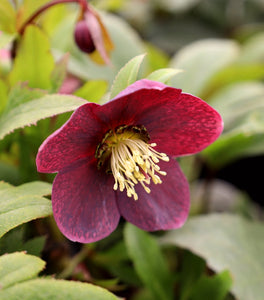
French Kiss Hellebore is the kind of flower you lean in to admire. In late winter to early spring, large single blooms open in clean white, traced and veined with raspberry-pink tones that feel hand-painted like a delicate watercolor edge and a bold splash of color pulling toward the center. The flowers are long-lasting, holding their beauty for weeks and giving you a real bloom season when most shade beds are still quiet.
This is a perfect plant for high-visibility shade: near steps, along a walkway, beside a shaded patio, or at the front of a woodland border where you’ll see the detail up close. The blooms sit on sturdy stems and read well from a distance, too, brightening dark corners and making the garden feel awake earlier than it has any right to.
Evergreen Foliage That Keeps Beds Looking Finished
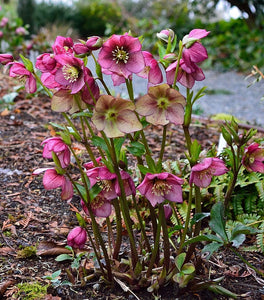
After bloom, French Kiss keeps earning its space with thick, leathery evergreen foliage that forms a tidy mound. That year-round structure is a big deal in shade gardens, where many perennials disappear, leaving gaps. Even when flowers are gone, the plant still looks intentional, clean, grounded, and designed, especially under deciduous trees and along foundation beds.
The foliage pairs beautifully with hostas, ferns, heuchera, epimedium, and shade shrubs, adding contrast without visual clutter. Use it as a repeating “anchor” along a border, or plant a small drift to create a calm, evergreen base layer that carries the planting through every season. In winter, when the garden’s bones matter most, French Kiss helps the whole bed look composed.
Deer-Resistant, Shade-Tough, And Surprisingly Low Maintenance
French Kiss thrives in partial to full shade and prefers rich, well-drained soil that stays evenly moist while it establishes. Once rooted in, it becomes more tolerant of short dry spells than you’d expect from a flowering perennial, especially with a light mulch layer to buffer moisture swings. It also handles the real-world realities of shade: canopy competition, uneven rainfall, and the slower-drying soils common in protected beds.
Like most hellebores, it’s generally deer and rabbit-resistant, which makes it a smart choice for worry-free winter color. There’s no staking, no fussing, and no constant deadheading needed to keep it attractive. The main “secret” is a simple seasonal cleanup—remove older leaves in late winter so the flowers stand out—and the plant rewards you with a polished look and dependable performance.
A Designer Favorite For Borders, Woodland Edges, And Containers
French Kiss is exceptionally easy to style. In the ground, it shines along woodland edges and under trees where its white-and-raspberry blooms glow against bark, mulch, and evergreen backdrops. In foundation beds, it adds evergreen texture and early-season flowers without taking over the space. If you want a shade border to look curated from winter into spring, this is one of the most reliable building blocks.
It’s also a standout in containers, especially near an entry, because it stays compact, looks full at the base, and blooms when pots are usually bare. Give each plant room to mature into a dense clump, then do that quick late-winter leaf cleanup for maximum flower show. The result is a refined, romantic shade planting that looks expensive and feels effortless.
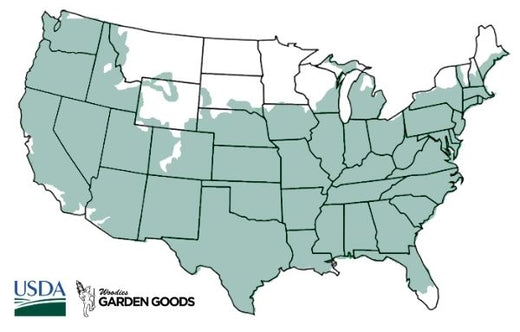
| Hardiness Zone: | 5-9 |
|---|---|
| Mature Height: | 12 to 18 Inches |
| Mature Width: | 18 to 24 Inches |
| Sunlight: | Partial to Full Shade |
| Water Requirements: | Moderate; regular moisture preferred (more drought tolerant once established) |
| Soil | Rich, well-drained; moisture-retentive but not soggy |
| Bloom Time / Color | Late winter to early spring; white flowers with raspberry-pink veining/edges (bicolor) |
| Wildlife Value | Early nectar/pollen support for emerging pollinators |
| Resistance (deer/disease/drought/etc.) | Deer and rabbit resistant; drought tolerance improves once established |
| Landscape Uses | Shade borders, woodland gardens, under trees, foundation beds, containers, winter interest |
How to Care for French Kiss Hellebore
Be sure to read our planting instructions to ensure a healthy and happy French Kiss Hellebore plant for years to come!
-v1760366595401.png?92x91)
How should I plant Helleborus ‘French Kiss’?
Plant Helleborus ‘French Kiss’ in partial to full shade in rich, well-drained soil. Dig a hole about twice as wide as the root ball and set the plant so the crown sits level with the surrounding soil. Backfill (amend with compost if needed), water deeply, and apply a light mulch layer, keeping it a few inches away from the crown to help prevent rot. Choose a spot where it can stay for years, since hellebores prefer to settle in and build stronger clumps over time. Avoid low areas that stay wet in winter, and prioritize drainage plus steady moisture in year one for the best flowering and evergreen foliage.
-v1760366621113.png?89x84)
How often should I water Helleborus ‘French Kiss’ after planting?
Water thoroughly at planting, then keep the soil evenly moist through the first growing season. In most shade gardens, that means deep watering about once or twice per week during dry stretches, adjusting for heat, wind, and root competition from nearby trees. The goal is consistent moisture without keeping the soil soggy. Once established, Helleborus ‘French Kiss’ becomes more tolerant of short dry spells, especially in shade and with mulch. It still looks best with an even moisture rhythm in summer, which supports healthier evergreen foliage and stronger bloom performance the following late winter.
-v1760366649658.png?90x89)
When should I fertilize Helleborus ‘French Kiss’?
Fertilize lightly in early spring as new growth begins, using a balanced slow-release fertilizer, or top-dress with compost. This supports steady growth and helps the plant recharge after blooming without pushing soft, weak foliage. If your soil is already rich, compost alone is often enough. Avoid heavy late-season feeding, which can encourage tender growth at the wrong time and reduce overall resilience going into winter.

When and how should I prune Helleborus ‘French Kiss’?
In late winter, remove older, tired leaves at the base to reveal emerging flowers and keep the clump looking clean. This simple cleanup improves airflow and makes the white-and-raspberry blooms stand out instead of getting lost in last season’s foliage. After flowering, cut spent flower stems at the base to tidy the plant and direct energy into foliage and roots. Leave healthy new leaves in place through summer and fall, since they power the plant and provide the evergreen structure you want year-round.