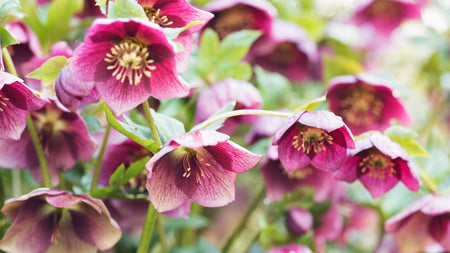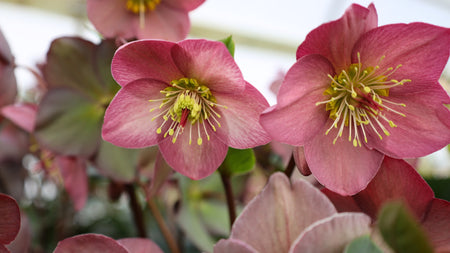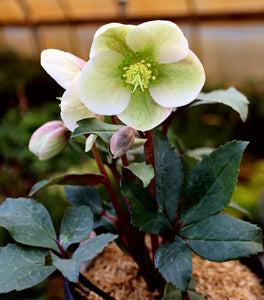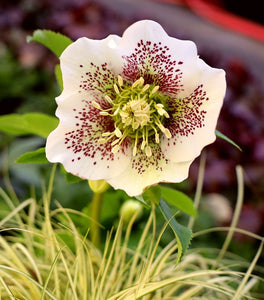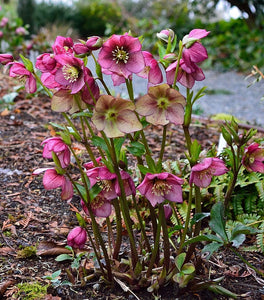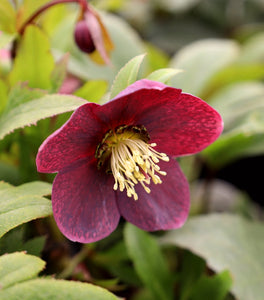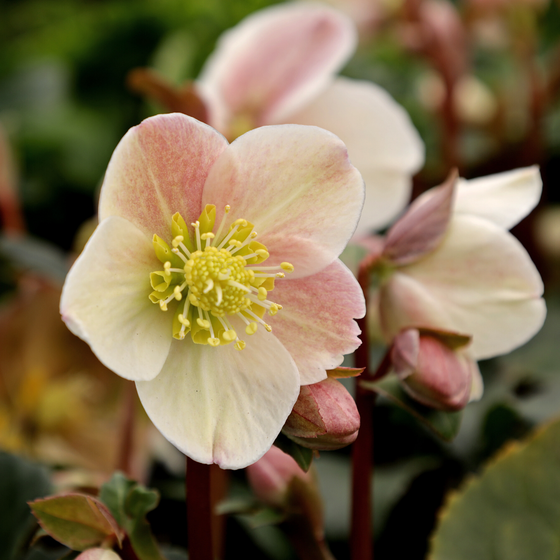
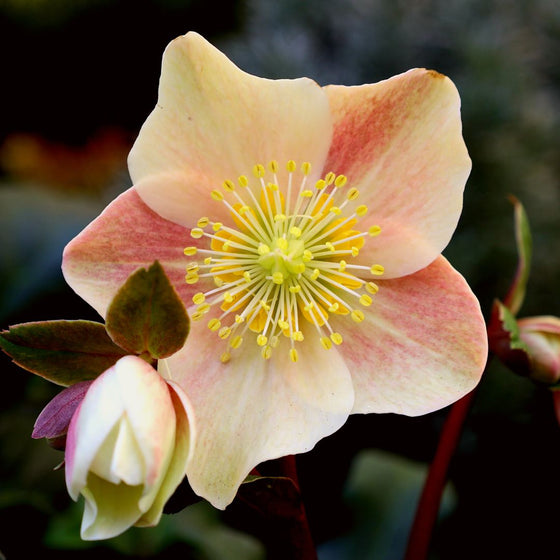
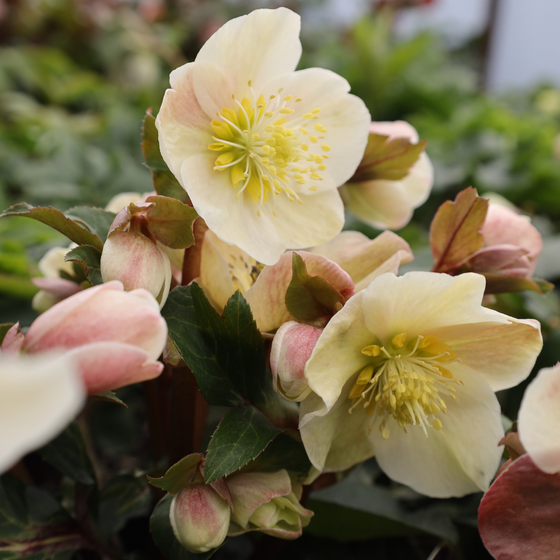
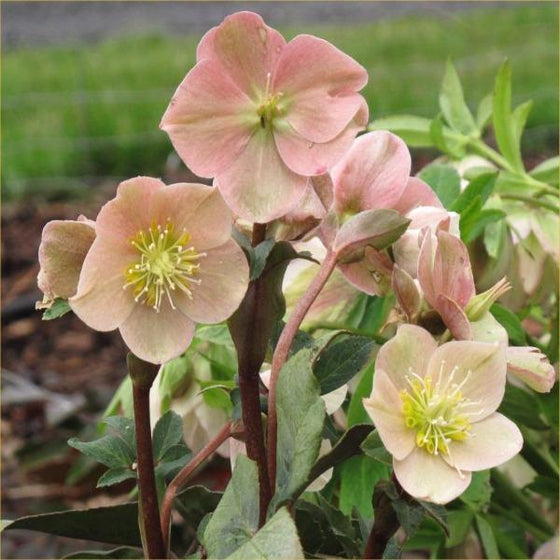


Images Depict Mature Plants
Cinnamon Snow Hellebore
Helleborus x ballardiae 'Cinnamon Snow' PP#21003
Cinnamon Snow is the kind of hellebore that makes winter feel friendlier—creamy blooms that slowly warm up into rosy cinnamon tones, plus an evergreen clump that keeps shade beds looking finished when everything else is bare. Give it humus-rich, well-drained soil, keep it evenly moist in year one, and do that quick late-winter leaf cleanup so the flowers can shine, and it’ll become one of your most dependable shade-garden favorites.

15% OFF SITEWIDE SALE
Use Code 'PRIMETIME15' At Checkout
📦 Free shipping on orders over $99.
Delay shipping by leaving us a message at Checkout.
Share:



Cinnamon-Tinted Winter Hellebore With Evergreen Shade-Garden Power
Warm, Color-Shifting Blooms That Make Winter Feel Softer
Cinnamon Snow Hellebore is all about mood, those creamy, outward-facing flowers that open pale and elegant, then pick up rosy blush and cinnamon tones as they mature. The color shift is what makes it addictive: you don’t just get “a bloom,” you get a slow-moving palette that feels cozy against winter bark, stone, and evergreen greens. In many climates, it starts blooming in late winter and keeps going into early spring, giving you weeks of flowers when most shade beds are still on pause.
Place it where you’ll actually see it. Near steps, along a walkway, at the edge of a woodland path, or right by the front door in a shaded entry pot, Cinnamon Snow turns the quiet season into something to look forward to. The blooms hold well through cold snaps, and the plant’s tidy habit keeps everything looking intentional rather than messy or fleeting.
Evergreen Foliage That Acts Like Structure In A Shade Border
Even when it isn’t blooming, Cinnamon Snow pulls its weight with thick, leathery evergreen leaves that form a clean mound. That evergreen presence matters most in shade, where plants often disappear, leaving gaps. Cinnamon Snow behaves like a living structure—low, refined, and dependable, so your border looks designed all year, instead of only during peak bloom weeks.
It blends beautifully with hostas, ferns, heucheras, epimedium, and shade shrubs, adding contrast and “finished” texture at the front of beds and under deciduous trees. If you’re building a woodland garden with layers, this is the kind of evergreen perennial that makes the whole planting feel more permanent and polished, even in the off-season.
Tough, Deer-Resistant Performance For Real-World Shade
Cinnamon Snow thrives in partial to full shade, preferring humus-rich, well-drained soil that stays evenly moist while it establishes. Once it’s rooted in, it becomes notably resilient, handling dry shade better than most flowering perennials, especially when mulched. That makes it a strong fit under trees and in foundation beds where soil can swing between “too dry” and “just right” depending on weather and canopy.
It’s also generally deer and rabbit-resistant, a major win for customers who’ve watched shade favorites get chewed down in early spring. Instead of replanting every year, you get a long-lived clump that returns reliably and blooms early with minimal fuss. For low-maintenance gardeners who still want real flowers in winter, Cinnamon Snow is a confidence-building choice.
A Natural Star For Winter Containers And High-Impact Drifts
Cinnamon Snow is exceptional in containers because it stays compact, looks full at the base, and blooms when pots are usually bare. Use it as the feature plant in a shaded or protected winter container, then let the evergreen foliage carry the pot forward after bloom season. In the ground, it’s equally strong in small drifts, repeat it along a path or in front of shade shrubs for a rhythm that looks intentional and upscale.
The “pro move” is simple: spacing and one seasonal cleanup. Give each plant room to mature into a full mound, then in late winter, remove older leaves so the flowers aren’t hidden. That single step instantly makes the bloom show look brighter, cleaner, and more photogenic. If you want winter interest that feels warm, elegant, and easy, Cinnamon Snow delivers.
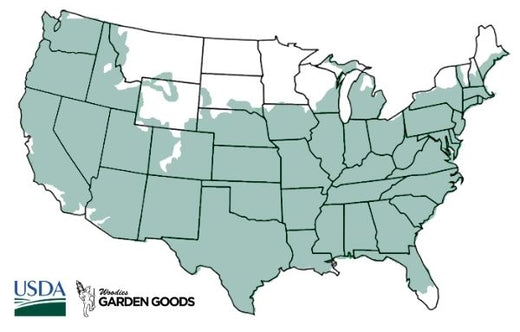
| Hardiness Zone: | 5-9 |
|---|---|
| Mature Height: | 12 to 18 Inches |
| Mature Width: | 18 to 24 Inches |
| Sunlight: | Partial shade to full shade |
| Water Requirements: | Moderate; consistent moisture preferred (more drought tolerant once established) |
| Soil: | Moist, well-drained, humus-rich |
| Bloom Time / Color | Late winter to early spring; creamy white aging to rosy-pink and cinnamon tones |
| Wildlife Value | Early nectar/pollen support for emerging pollinators |
| Resistance (deer/disease/drought/etc.) | Deer and rabbit resistant; tolerates dry shade once established |
| Landscape Uses | Shade gardens, woodland borders, under trees, foundation beds, winter containers |
How to Care for Cinnamon Snow Hellebore
Be sure to read our planting instructions to ensure a healthy and happy Cinnamon Snow Hellebore for years to come!
-v1760370100572.png?92x91)
How should I plant Cinnamon Snow Hellebore?
Plant Cinnamon Snow Hellebore in partial to full shade in rich, well-drained soil. Dig a hole about twice as wide as the root ball and set the plant so the crown sits level with the soil surface. Backfill (amend with compost if needed), water deeply, and apply a light mulch layer to hold moisture while keeping mulch a few inches away from the crown. Choose a spot where it can stay for years, because hellebores prefer to settle in and build a stronger clump over time. Avoid low areas that stay wet in winter, and aim for a consistent moisture zone during year one so roots establish quickly and flowers develop on sturdy stems.
-v1760370121005.png?89x84)
How often should I water Cinnamon Snow Hellebore after planting?
Water thoroughly at planting, then keep the soil evenly moist through the first growing season. In most shade gardens, that means deep watering about once or twice per week during dry stretches, adjusting for heat, wind, and root competition from nearby trees. Consistent moisture is more important than frequency—avoid letting the root zone swing from soggy to bone dry. Once established, Cinnamon Snow becomes more tolerant of short dry spells, especially in shade and with mulch. It still looks best with an even moisture rhythm in summer, which supports healthier evergreen foliage and better bloom performance the following late winter.
-v1760370142205.png?90x89)
When should I fertilize Cinnamon Snow Hellebore?
Fertilize lightly in early spring as new growth begins, using a balanced slow-release fertilizer, or top-dress with compost. This supports steady growth and helps the plant recharge after blooming without pushing soft, weak foliage. If your soil is already rich, compost alone is often enough. Avoid heavy late-season feeding, which can encourage tender growth at the wrong time and reduce the plant’s overall resilience going into winter.

When and how should I prune Cinnamon Snow Hellebore?
In late winter, remove older, tired leaves at the base to reveal emerging flowers and keep the clump looking clean. This cleanup improves airflow and makes the color-changing blooms stand out rather than get lost in last season’s foliage. After flowering, cut spent flower stems at the base to tidy the plant and direct energy into foliage and roots. Leave healthy new leaves in place through summer and fall, since they power the plant and provide the evergreen structure you want year-round.