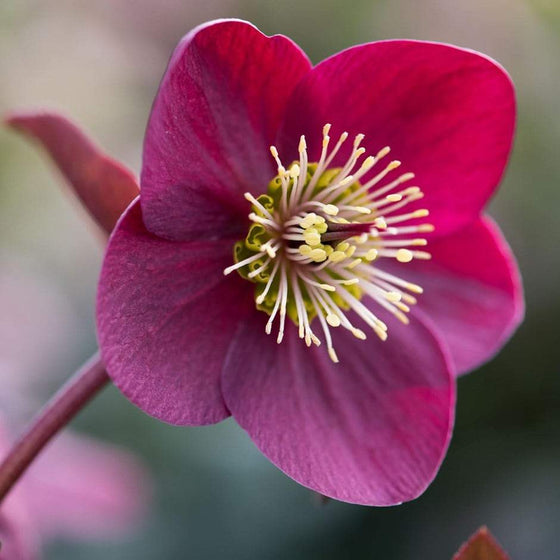


Images Depict Mature Plants
Anna’s Red Hellebore
Helleborus 'ABCRD02' PP #24720
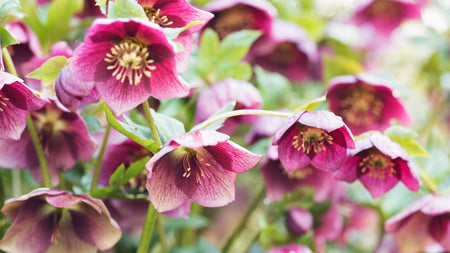
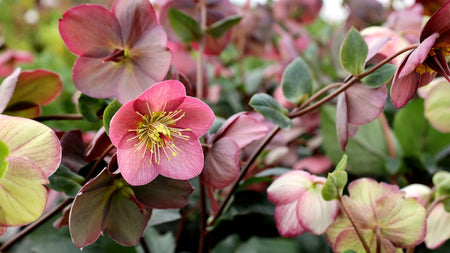
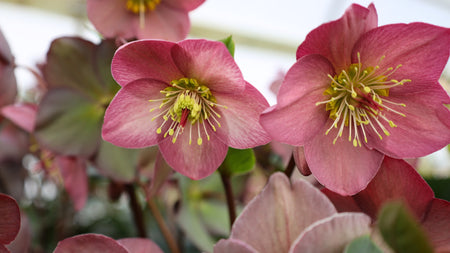
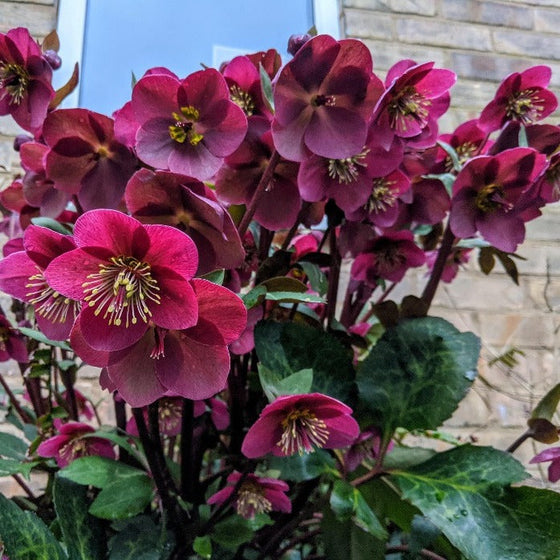
Anna’s Red is the hellebore I reach for when someone wants real winter color that doesn’t feel delicate—deep red blooms that age to burgundy, stems that hold the flowers up where you can see them, and evergreen marbled foliage that makes a shade bed look finished year-round. Give it rich, well-drained soil, keep it evenly moist in year one, and do that quick late-winter leaf cleanup, and it’ll pay you back every season with low-fuss beauty.

15% OFF SITEWIDE, USE CODE 'MIDSUMMER15'
📦 Free shipping on orders over $99.
Delay shipping by leaving us a message at Checkout.
Share:Recommended Add-Ons


Winter-Blooming Red Hellebore With Evergreen Marbled Foliage
Deep Red Blooms When The Garden Needs Them Most
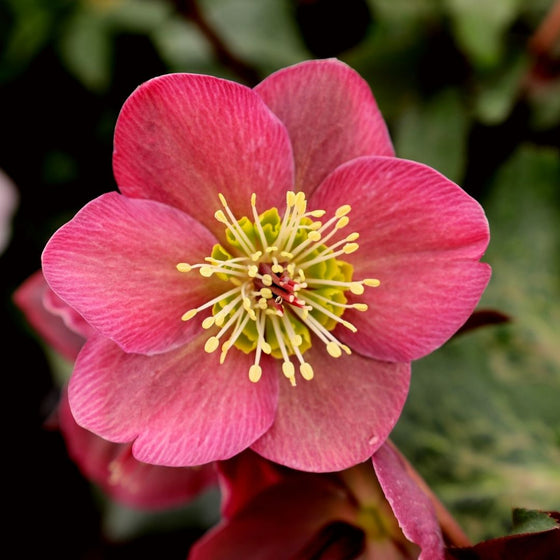
Anna’s Red Hellebore is the shade perennial that shows up early, often in late winter, when most landscapes are still quiet. The flowers open in rich, deep red tones that mature toward burgundy, carried above the foliage on sturdy stems so the color reads clearly from a distance. It’s an instant mood-lifter in the cold season, bringing real flower power to beds, borders, and containers when you’re usually staring at mulch and bare branches.
Those long-lasting blooms also make Anna’s Red a “bridge plant” between winter and spring. Tuck it near an entry, along a walkway, or beside a patio where you’ll actually see the flowers up close. In a woodland garden, it’s a natural partner to early bulbs and spring ephemerals, adding bold color and structure while everything else is still waking up.
Evergreen Texture And Four-Season Structure In The Shade
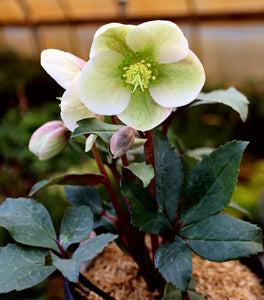
Even after the blooms fade, Anna’s Red keeps earning its space. The leathery evergreen leaves form a dense, tidy clump that looks intentional all year, especially in shaded beds where many perennials disappear. The foliage is a standout feature on its own, with a glossy finish and attractive marbling that adds texture and contrast next to hostas, ferns, heucheras, and shade shrubs.
Because it stays compact and mound-forming, it fits beautifully at the front of shaded borders and under the “high canopy” of deciduous trees. It also plays well in mixed plantings, never messy, never floppy, and rarely needing rescue staking. If you want a shade garden that looks designed in every season, hellebores like Anna’s Red are among the most reliable building blocks.
Shade-Loving Performance With Tough, Low-Fuss Reliability
Anna’s Red thrives in partial to full shade, which makes it a go-to for those “nothing wants to bloom here” spaces. Give it rich, well-drained soil and consistent moisture while it establishes, and it settles in as a remarkably durable perennial. Once rooted in, it becomes moderately drought-tolerant, and its thick foliage helps it withstand the typical ups and downs of real landscapes.
It’s also a strong pick for deer-prone areas. Like most hellebores, the foliage is tough and unappealing to browsing, which means the plant is more likely to look as good in March as it did when you planted it. For homeowners who want winter flowers without the worry, Anna’s Red checks the boxes: shade-friendly, low maintenance, and consistently handsome.
A Perfect Fit For Containers, Woodland Edges, And Polished Borders
Anna’s Red is especially good in containers because it stays compact, looks full at the base, and blooms when pots are usually bare. Use it as a winter-and-early-spring focal point in shaded entries, then let the evergreen foliage carry the container through the rest of the season. In the ground, it shines along woodland edges, beneath trees, and in foundation beds wherever evergreen structure matters.
The secret to making it look “high-end” is simple placement and spacing. Plant it where you can enjoy the flowers, and give each clump room to mature into a dense mound. With a quick late-winter cleanup of older leaves, the blooms stand out even more, and the whole plant looks freshly groomed—like a designer perennial that never needs constant attention.
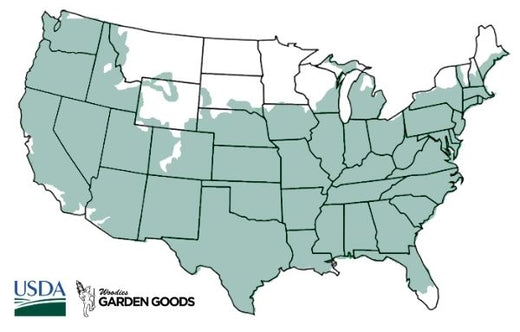
| Hardiness Zone: | 5-9 |
|---|---|
| Mature Height: | 12 to 18 Inches |
| Mature Width: | 18 to 24 Inches |
| Sunlight: | Full shade to part sun |
| Soil | Rich, well-drained; moisture-retentive but not soggy |
| Water Requirements: | Moderate; consistent moisture preferred (more drought tolerant once established) |
| Bloom Time / Color | Late winter to early spring; deep red aging to burgundy |
| Wildlife Value | Early nectar for emerging pollinators |
| Resistance (deer/disease/drought/etc.) | Deer and rabbit resistant; moderate drought tolerance once established |
| Landscape Uses | Shade borders, woodland gardens, foundation beds, under trees, containers, winter interest |
How to Care for Anna’s Red Hellebore
Be sure to read our planting instructions to ensure a healthy and happy Anna’s Red Hellebore plant for years to come!
-v1760365225646.png?92x91)
How should I plant Helleborus ‘Anna’s Red’?
Plant Helleborus ‘Anna’s Red’ in partial shade to full shade in rich, well-drained soil. Dig a hole about twice as wide as the root ball and set the plant so the crown sits level with the soil surface. Backfill with native soil mixed with compost, water thoroughly, and keep mulch thin and pulled back from the crown to reduce the risk of rot. Space plants with airflow in mind so the clumps can mature cleanly and stay healthy. In mixed borders, give it room to form a full mound without being crowded by aggressive neighbors. A defined planting pocket with organic matter and consistent moisture is the easiest path to a long-lived, bloom-heavy hellebore.
-v1760365248938.png?89x84)
How often should I water Helleborus ‘Anna’s Red’ after planting?
Water deeply right after planting, then keep the soil evenly moist through the first growing season. In most gardens, that means watering about once or twice per week during dry stretches, adjusting for heat, wind, and tree-root competition. The goal is steady moisture, not soggy soil. Once established, Helleborus ‘Anna’s Red’ becomes more drought-tolerant, but it still performs best with consistent moisture—especially in summer. A light mulch layer helps stabilize soil moisture and keeps roots cooler, which supports evergreen foliage and better blooming the following season.
-v1760365284082.png?90x89)
When should I fertilize Helleborus ‘Anna’s Red’?
Fertilize in early spring as new growth begins, using a slow-release balanced fertilizer or a top-dressing of compost. This timing supports flowering, strengthens evergreen foliage, and helps the plant build energy for the next bloom cycle without forcing soft growth. If your soil is already rich, annual composting around the base is often enough. Avoid heavy late-season feeding, which can encourage tender growth at the wrong time. With hellebores, steady soil quality matters more than aggressive fertilizing.

When and how should I prune Helleborus ‘Anna’s Red’?
In late winter, remove older or damaged leaves to tidy the plant and showcase the new blooms. This simple cleanup immediately improves the look and reduces the risk of foliage issues by improving airflow and removing tired leaves. After flowering, cut spent flower stems at the base to direct energy into foliage and root growth. Avoid cutting back healthy new leaves in summer, since they fuel the plant and provide evergreen structure through the seasons.