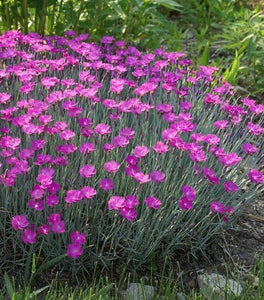


Images Depict Mature Plants
Whirling Butterflies Gaura
Oenothera lindheimeri 'Whirling Butterflies'
I particularly like Whirling Butterflies Gaura for the movement it brings to a perennial garden. A lot of flowering plants create big, solid blocks of color, but this one does something entirely different. Those delicate white flowers seem to float above the planting on slender, reddish stems, and even the slightest breeze brings them to life. I think it's an outstanding companion for purple Salvia, Echinacea, Coreopsis, and ornamental grasses, especially when you're trying to create a softer, more natural-looking border. Another reason I recommend this selection is its long flowering season and excellent heat tolerance. Once established, it handles sunny, relatively dry conditions remarkably well. My one important piece of advice is to pay attention to drainage, particularly if you're gardening in the colder portions of its hardiness range. Gaura doesn't appreciate wet roots during winter. Give Whirling Butterflies plenty of sun and well-drained soil, and you'll be rewarded with a beautiful, airy perennial that brings months of white flowers and graceful movement to the landscape.
$22.36 with code SAVINGS20 at checkout Save $5.59
FREE Ground Shipping on orders over $49.99
This weekend only - ends Mon 11/23 at 12 PM ET
📦 Free shipping on orders over $99.
Delay shipping by leaving us a message at Checkout.
Share:Recommended Add-Ons



Whirling Butterflies Gaura – Graceful White Flowers That Dance Above the Garden
Whirling Butterflies Gaura Creates a Beautiful Display of Floating White Flowers
Whirling Butterflies Gaura (Oenothera lindheimeri 'Whirling Butterflies') is an exceptional flowering perennial that brings graceful movement, airy texture, and months of delicate white flowers to sunny gardens. This beautiful selection produces slender, arching stems covered with rose-pink buds that open into elegant, four-petaled white blossoms. As the flowers sway in the slightest breeze, they resemble tiny butterflies hovering above the foliage, creating the distinctive appearance that gives this cultivar its name. Unlike traditional flowering perennials that produce dense clusters of color, Whirling Butterflies Gaura creates a softer, more natural display that adds movement without overwhelming neighboring plants.
The flowers emerge above a relatively compact base of green foliage, giving the plant an attractive, open structure. Fresh white blossoms contrast beautifully with the pink buds and reddish flowering stems, while older flowers may develop a delicate pink blush as they mature. This subtle variation creates visual depth throughout the flowering season. The plant's naturally loose habit makes it particularly appealing in cottage gardens, mixed perennial borders, and naturalistic landscapes where graceful texture is an important part of the design. For homeowners searching for white flowering perennials with distinctive character, Whirling Butterflies Gaura delivers an exceptionally elegant garden performance.
Enjoy Months of White Gaura Flowers from Late Spring into Fall
One of the greatest advantages of Whirling Butterflies Gaura is its remarkably long flowering season. Under favorable growing conditions, this beautiful perennial begins producing flowers in late spring or early summer and continues blooming throughout summer, often until autumn temperatures bring the season to a close. New blossoms develop along slender flowering stems, replacing older flowers and maintaining a continuous display of movement and color. This extended flowering period makes Whirling Butterflies especially valuable in sunny gardens where homeowners want dependable ornamental interest after spring-flowering plants have finished their display.
The individual flowers may be delicate, but their combined effect is substantial. Numerous white blossoms appear to hover above the foliage, creating an airy cloud of color that complements almost every other flower in the garden. Their soft appearance pairs particularly well with purple Salvia, pink Coneflowers, yellow Coreopsis, and ornamental grasses. Because the flower display remains relatively open, Whirling Butterflies Gaura can be planted between more substantial perennials without creating a crowded appearance. For gardeners who appreciate long-blooming white perennials that remain attractive through summer, this selection provides outstanding seasonal value and a beautiful sense of movement.
Add Graceful Movement to Cottage Gardens and Perennial Borders
Whirling Butterflies Gaura is one of my favorite types of perennials for creating a relaxed, natural-looking garden design. Its slender stems and delicate flowers introduce movement that softens the appearance of more structured landscape plants. Rather than forming a dense mound of flowers, Gaura produces an open network of flowering stems that weave visually among neighboring perennials. This makes it particularly effective in cottage gardens, meadow-inspired plantings, and mixed borders where gardeners want plants to complement one another without competing for attention. The white flowers also brighten darker planting combinations and create a beautiful contrast with deeply colored foliage.
Reaching approximately 24 to 36 inches tall and spreading about 24 to 36 inches under favorable conditions, Whirling Butterflies Gaura works beautifully in the middle of sunny perennial borders. Its flowering stems can rise above lower-growing companions, adding height without producing a heavy visual barrier. Plant several together for a larger display, or repeat individual plants throughout a garden to create a consistent rhythm of white flowers. Gaura is also an excellent companion for ornamental grasses because both plants contribute movement and texture. For homeowners interested in creating elegant cottage gardens with long-lasting summer color, Whirling Butterflies Gaura is a particularly versatile choice.
Attract Bees and Butterflies with Long-Blooming Gaura Flowers
Whirling Butterflies Gaura is an excellent addition to pollinator-friendly gardens because its flowers provide nectar over an extended period during the warm growing season. Bees, butterflies, and other beneficial insects visit Gaura blossoms, adding activity and ecological value to ornamental plantings. Its long flowering period makes it especially useful in gardens designed to provide nectar sources across multiple seasons. When combined with other pollinator-friendly perennials, Whirling Butterflies Gaura helps create a landscape that is both visually attractive and supportive of beneficial garden wildlife.
The plant's open, branching flowering habit makes its blossoms accessible to visiting insects while creating a beautiful sense of movement throughout the garden. It works especially well alongside Echinacea, Salvia, Agastache, Coreopsis, and other sun-loving perennials that provide complementary colors and overlapping flowering seasons. Gaura also has a native North American heritage, with the species originating in the south-central United States. For homeowners building a sunny butterfly garden or naturalistic pollinator planting, Whirling Butterflies Gaura provides delicate ornamental beauty while contributing to a more diverse planting environment.
Drought-Tolerant Gaura Thrives in Sunny, Well-Drained Gardens
Whirling Butterflies Gaura is particularly appealing to gardeners looking for heat-tolerant, low-maintenance flowering perennials. It performs best in full sun, where abundant light encourages strong flowering and helps maintain a relatively compact growth habit. The plant develops a substantial taproot that contributes to its ability to tolerate periodic dry conditions once established. This makes it useful in sunny borders, gravel gardens, slopes, and other landscapes where summer heat can challenge more moisture-demanding perennials. Although established plants tolerate drought, occasional deep watering during prolonged dry periods can help maintain healthy foliage and continued flowering.
Excellent soil drainage is one of the most important requirements for successfully growing Whirling Butterflies Gaura. It performs well in average, sandy, or loamy soils and can tolerate some clay when drainage is adequate, but it is poorly suited to locations that remain wet for extended periods. Excessively rich soil and heavy fertilization may encourage weak, floppy stems rather than balanced flowering growth. For gardeners in colder growing regions, particularly near the lower limit of its hardiness range, winter drainage is especially important. With sufficient sunlight and appropriate soil conditions, Whirling Butterflies Gaura offers beautiful flowers with relatively little ongoing maintenance.
Easy-Care Whirling Butterflies Gaura for Summer and Fall Color
Whirling Butterflies Gaura is an excellent choice for gardeners seeking a flowering perennial that provides months of ornamental value with minimal maintenance. Once established, it generally requires little fertilizer and only occasional supplemental watering during extended dry weather. The plant naturally produces new flowers throughout its blooming season, so extensive deadheading is not necessary. Removing spent flowering stems can improve its appearance, but gardeners who appreciate its airy, informal character can allow it to develop naturally. Its graceful habit and long bloom season make it particularly rewarding in gardens designed around easy-care seasonal color.
If the plant becomes overly tall or loose, light pruning in late spring can encourage bushier growth and a more compact shape. Avoid cutting all flowering stems back at once during peak bloom unless a temporary reduction in flowers is acceptable. In colder climates, leaving some stems standing until spring can help protect the crown during winter. Whirling Butterflies Gaura is also generally considered deer resistant, although browsing can occur when food is scarce. For homeowners who want white flowering perennials that combine heat tolerance, graceful movement, and a prolonged bloom season, Whirling Butterflies Gaura is an outstanding landscape choice.
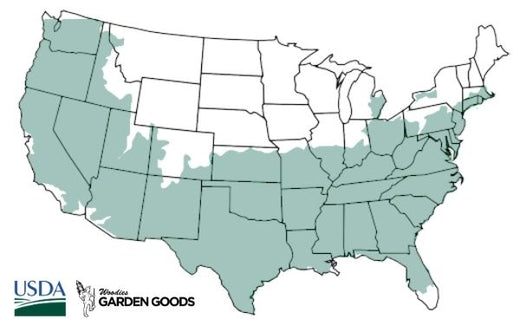
| Hardiness Zone: | 6-9 |
|---|---|
| Mature Height: | Approximately 24 to 36 Inches |
| Mature Width: | Approximately 24 to 36 Inches |
| Sunlight: | Full sun |
| Bloom Time / Color | Late Spring to Fall; Climate Dependent, White; Rose-Pink Buds; Occasional Pale Pink Aging Flowers |
| Soil Condition: | Average; Sandy or Loamy; Well-Drained |
| Water Requirements: | Moderate During Establishment; Low to Moderate Once Established |
| Wildlife Value | Nectar for Bees, Butterflies, and Other Pollinating Insects |
| Resistance (deer/disease/drought/etc.) | Generally Resistant; Browsing Possible |
| Landscape Uses | Cottage Gardens; Pollinator Gardens; Sunny Borders; Gravel Gardens; Naturalistic Plantings; Containers |
How to Care for Whirling Butterflies Gaura
Be sure to read our planting instructions to ensure a healthy and happy Whirling Butterflies Gaura plant for years to come!

How should I plant Whirling Butterflies Gaura?
Plant Whirling Butterflies Gaura in a location receiving at least six hours of direct sunlight daily. Choose well-drained soil and avoid low areas where water accumulates. Dig a planting hole approximately twice as wide as the root ball but no deeper than its original container. Carefully loosen any circling roots, position the crown level with the surrounding soil, and backfill with native soil. Water thoroughly after planting to settle the soil around the roots. For mixed borders, space plants approximately 24 to 36 inches apart to accommodate their naturally arching flowering stems. Gaura is particularly effective in sunny perennial gardens, gravel beds, and gentle slopes where drainage is reliable. Avoid excessively rich soil amendments, which may encourage floppy growth. Apply a light layer of mulch around new plants, keeping it clear of the crown. In colder areas, choosing a protected but sunny location with excellent winter drainage is especially important.

How often should I water Whirling Butterflies Gaura after planting?
Water thoroughly immediately after planting, then maintain consistent moisture while the root system becomes established. During the first growing season, check the soil regularly and water when the upper soil begins drying. Newly planted Gaura may require more frequent watering during hot, windy weather, especially in sandy soils. Avoid keeping the soil constantly wet because poorly drained conditions can encourage root and crown rot. Once established, Whirling Butterflies Gaura develops good tolerance for periodic drought and summer heat. Its substantial taproot allows it to access moisture deeper in the soil. Nevertheless, occasional deep watering during prolonged dry periods can help sustain its extended flowering season. Container-grown plants will need more frequent moisture checks than those growing in the ground. The key is to provide enough water for healthy growth while allowing excess moisture to drain away.

When should I fertilize Whirling Butterflies Gaura?
Whirling Butterflies Gaura generally requires little supplemental fertilizer when planted in average garden soil. If growth is unusually weak and a soil test indicates low fertility, apply a modest amount of balanced, slow-release fertilizer in early spring according to the product label. A light application of compost may also be appropriate for very poor soil, provided drainage remains good. Avoid heavy fertilization, particularly excess nitrogen. Overly fertile soil can produce tall, weak stems that flop instead of maintaining the plant's graceful shape. Too much fertilizer may also encourage foliage growth at the expense of flower production. For this cultivar, abundant sunlight, well-drained soil, and appropriate establishment watering are usually more important than a regular feeding program. Established plants typically perform well with minimal fertilization.

When and how should I prune Whirling Butterflies Gaura?
Whirling Butterflies Gaura requires relatively little pruning because it naturally produces flowers over an extended season. If the stems become excessively tall or loose, cut back up to approximately one-third to one-half of the new growth in late spring, before the main flowering display develops. This optional pruning can encourage bushier growth and reduce flopping. Lightly removing faded flowering stems during summer can improve appearance, although routine deadheading is not essential. For the main seasonal cleanup, wait until late winter or early spring to remove dead stems, particularly in colder climates. Leaving some growth standing through winter can offer modest protection to the crown. Avoid disturbing the substantial taproot when dividing or relocating established plants, as Gaura does not always respond well to root disturbance. Remove damaged stems as needed and preserve the plant's naturally airy form rather than attempting to shear it into a tightly rounded mound.