


Images Depict Mature Plants
Josephine™ Clematis
Clematis 'Evijohill'
What gets my attention about Josephine Clematis is how completely different its flowers look from most other large-flowered clematis varieties. Instead of a simple, flat blossom, you get these incredible layers of lilac-pink petals surrounding a dense, rosette-like center. And the really interesting part is that the flowers continue changing as they age, eventually developing that distinctive little pompom in the middle. I particularly like Josephine on an obelisk or a trellis beside a patio where you can appreciate the flowers up close. It is also a terrific choice for a large decorative container. One thing I always remind gardeners about is its Group 2 pruning requirement. You want to preserve healthy older stems rather than cutting everything down to the ground every spring. Give the vine good sunlight, keep its roots cool and moist, and provide a support it can climb. For homeowners who want a truly unusual pink flowering clematis with long-lasting ornamental appeal, Josephine is one of the most interesting varieties I would recommend.
$63.96 with code SAVINGS20 at checkout Save $15.99
FREE Ground Shipping on orders over $49.99
This weekend only - ends Mon 11/23 at 12 PM ET
📦 Free shipping on orders over $99.
Delay shipping by leaving us a message at Checkout.
Share:Recommended Add-Ons



Josephine Clematis – Spectacular Double Pink Flowers with Extraordinary Long-Lasting Beauty
Discover the Extraordinary Double Flowers of Josephine Clematis
Josephine Clematis is one of the most distinctive flowering vines available for homeowners who appreciate large, elaborate flowers and long-lasting garden color. Unlike conventional clematis varieties with broad, relatively flat blossoms, Josephine produces fully double lilac-pink flowers with multiple layers of delicate tepals. The outer portions of the flower open first, revealing a densely packed central rosette that continues developing as the blossom matures. This remarkable structure creates the appearance of a miniature dahlia or decorative pompom, making Josephine an exceptional choice for gardeners who want a flowering vine that looks genuinely different from more familiar clematis varieties.
The blossoms typically measure approximately 4 to 5½ inches across, depending on growing conditions, and display a fascinating combination of pink, mauve, cream, and occasional green tones. Their changing appearance is part of what makes Josephine so desirable. Broad outer tepals frame the flower during its early development, while the smaller central tepals create additional fullness as they unfold. Few climbing vines offer this combination of intricate flower form, changing color, and prolonged ornamental interest. Whether trained on a trellis, decorative obelisk, or garden arbor, Josephine Clematis brings an unusually refined flowering display to the landscape.
Enjoy Lilac-Pink Flowers That Change Shape as They Mature
One of Josephine Clematis's most remarkable features is the way each flower transforms throughout its life. New blossoms can display creamy-green accents alongside mauve and lilac-pink coloring, with deeper pink stripes or bars contributing additional dimension. As the flower opens, its broad outer tepals surround a dense collection of smaller inner tepals. These inner layers continue developing gradually, creating an increasingly elaborate rosette that remains attractive long after the flower first opens. The resulting display is especially interesting near outdoor seating areas and garden paths, where homeowners can appreciate the subtle changes in individual blossoms.
Eventually, the outer tepals may fall away while the central portion remains, producing a distinctive rounded pompom-like flower center. Under favorable conditions, individual blossoms can maintain ornamental appeal for several weeks. This extended progression means the vine can display flowers in different stages simultaneously, from newly opening pink blossoms to mature, fully layered rosettes. Flower coloration also responds to growing conditions; plants growing in stronger light generally develop more pronounced pink tones, while shaded conditions may encourage additional greenish coloring. For gardeners seeking a clematis that offers more than a conventional flowering display, Josephine delivers a fascinating succession of color and form.
Bring Long-Lasting Summer Color to Trellises and Arbors
Josephine Clematis is an excellent choice for decorative trellises, arbors, obelisks, and other vertical garden supports. Its naturally climbing stems bear attractive green foliage and impressive double flowers, creating a colorful vertical feature without the space required by large flowering shrubs. This makes it particularly appealing for smaller residential landscapes, narrow garden beds, and outdoor living areas where height and color are desired. Rather than creating a heavy, dense visual barrier, Josephine provides a graceful framework of climbing foliage punctuated by spectacular pink blossoms.
The cultivar is known for an extended flowering period from late spring or early summer into late summer, with some flowers continuing into early autumn under favorable conditions. Individual blooms can also remain attractive for an unusually long time, increasing the overall impression of a prolonged display. Plant Josephine near a garden entrance or along a regularly used walkway, where its flowers can be enjoyed up close. Its elegant pink coloration pairs beautifully with flowering shrubs, light-colored masonry, and natural wood trellises. For homeowners who want a long-blooming ornamental vine with exceptional flower detail, Josephine creates a memorable addition to the garden.
Create Beautiful Patio Containers with Double Pink Clematis
Josephine Clematis is especially appealing for large decorative patio containers, where its manageable climbing height and elaborate flowers can be appreciated from nearby seating areas. With a mature height commonly around 6 to 9 feet, the vine provides substantial vertical interest without requiring an exceptionally tall support. Train it on a decorative obelisk or compact trellis to create a beautiful flowering feature for a courtyard, patio, or sunny entrance. Its rich lilac-pink flowers contrast attractively with dark containers, pale stone, and surrounding green foliage, making it an excellent choice for more formal ornamental arrangements.
For successful container growing, choose a large, well-insulated pot with adequate drainage, ideally at least approximately 18 to 20 inches across and deep. Use fertile, moisture-retentive but well-drained potting soil and position the container where the flowering stems receive good light while the root zone remains protected from excessive heat. Container-grown clematis needs regular moisture checks because the restricted root system can dry more quickly than plants growing in garden soil. In cold climates, containers may also require winter protection. With appropriate care, Josephine Clematis can transform an ordinary patio planter into a spectacular flowering focal point.
Enjoy Repeat Flowers with Proper Group 2 Clematis Pruning
Josephine Clematis belongs to Pruning Group 2, making it important to preserve healthy older stems that contribute to the earlier flowering display. Unlike Group 3 clematis varieties that can be cut back hard every spring, Josephine generally benefits from light, selective pruning. Its flowering habit includes blossoms on retained growth as well as additional flowers produced later during the growing season. This makes it a rewarding choice for gardeners who want a long ornamental display but are willing to maintain a healthy climbing framework year after year. For further information on what the 'Pruning Groups' for clematis mean, read Woodie's guide to pruning clematis.
The best time to prune Josephine is late winter or early spring, before vigorous new growth begins. Remove dead, damaged, or weak stems, then lightly shorten healthy shoots to strong buds when necessary. Established vines should not be cut to ground level every year because doing so can reduce or delay the first flowering display. After the principal flowering period, light trimming may help maintain the desired form. The naturally evolving, fully double flowers are the main attraction, so preserve enough healthy stems to encourage abundant blossoms. With thoughtful annual pruning, Josephine maintains an elegant climbing habit and an impressive seasonal display.
Grow Josephine Clematis with Sunny Flowers and Cool Roots
Josephine Clematis performs best where its flowering stems receive abundant light and its roots remain cool and evenly moist. A sunny location generally encourages the richest pink flower coloring, although light partial shade can also be tolerated. In regions with intense summer heat, morning sunlight and protection from the harshest afternoon conditions can help reduce stress. The vine grows best in fertile, moisture-retentive soil that drains adequately, making garden beds enriched with suitable organic matter particularly beneficial. Avoid planting in areas where water accumulates, since clematis roots can suffer in persistently saturated soil.
A layer of mulch over the root zone helps conserve moisture and moderate soil temperature. Planting low-growing companions nearby can also provide shade, as long as they do not compete heavily with the vine for water and nutrients. Consistent moisture during establishment and flowering encourages vigorous climbing growth, while a suitable trellis gives the leafstalks something to grip. Unlike certain drought-tolerant climbing plants, Josephine generally benefits from dependable soil moisture throughout the active growing season. With appropriate care, this hardy, long-blooming clematis returns each year with beautiful foliage and extraordinary double pink flowers.
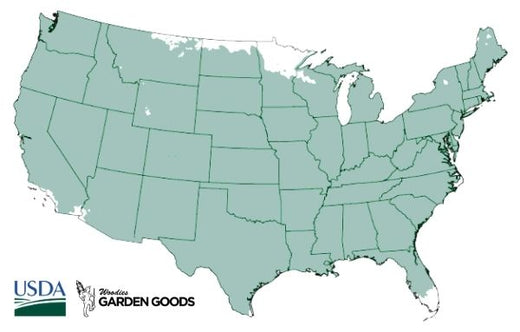
| Hardiness Zone: | 4-9 |
|---|---|
| Mature Height: | Approximately 6 to 9 feet |
| Mature Width: | Approximately 3 to 5 feet |
| Sunlight: | Full sun to partial shade; best pink flower coloration with good sunlight |
| Soil | Fertile; humus-rich; moist but well-drained; neutral to slightly alkaline preferred |
| Water Requirements: | Moderate; consistent moisture during establishment and active growth |
| Bloom Time / Color | Late spring to early autumn; typically June to September / Lilac-pink; mauve-pink; darker pink bars; cream-green accents |
| Foliage | Medium green |
| Ornamental Features | Large fully double lilac-pink flowers; layered rosette centers; cream-green highlights; long-lasting blooms; pompom-like mature flowers |
| Wildlife Value | Occasional flower-visiting insects; limited documented pollinator attraction |
| Resistance (deer/disease/drought/etc.) | Generally deer resistant |
| Landscape Uses | Cold hardiness; some deer browsing tolerance; black walnut tolerance |
How to Care for Josephine™ Clematis
Before you buy a Josephine Clematis, make sure to read the care instructions recommended to keep your plant healthy and thriving.

How should I plant Josephine Clematis?
Plant Josephine Clematis where its flowering stems receive full sun to partial shade and its roots remain protected from excessive summer heat. Choose fertile, organically enriched soil that retains moderate moisture while draining well. Dig a planting hole approximately twice the width of the root ball and loosen the surrounding soil. Where drainage is reliable, position the crown approximately 2 to 3 inches below the surrounding soil surface, a planting practice recommended for many large-flowered clematis varieties. Backfill carefully and water thoroughly. Avoid deeply burying the crown in locations where saturated soil could cause root problems. Install a sturdy trellis or decorative obelisk at planting time to minimize future root disturbance. Josephine climbs using twining leafstalks that wrap around slender supports, so provide narrow lattice sections, wire, or appropriately sized trellis elements. Space plants approximately 3 to 5 feet apart to allow room for healthy foliage and air circulation. Apply organic mulch around the root zone to conserve moisture, keeping it away from the emerging stems. For container planting, choose a large, well-draining pot with sufficient insulation to prevent excessive root-zone heating.

How often should I water Josephine Clematis after planting?
Water Josephine Clematis thoroughly immediately after planting and maintain consistently moist but well-drained soil during establishment. Newly planted vines should be monitored regularly because their developing roots are more vulnerable to drying than those of mature plants. Check soil moisture several inches below the surface and water deeply when the root zone begins to dry. During hot weather, additional irrigation may be necessary, particularly when the plant is growing near a wall or beneath an overhang that limits natural rainfall. Once established, Josephine still benefits from dependable moisture during active growth and flowering. Prolonged dryness can weaken the vine and reduce flowering performance, so supplemental watering is useful during extended dry spells. Container-grown plants need closer attention because their potting mix dries more quickly. Avoid leaving the roots continually saturated, and ensure excess water can drain away freely. A layer of organic mulch helps conserve moisture while protecting the root system from excessive heat.

When should I fertilize Josephine Clematis?
Fertilize Josephine Clematis lightly in early spring as new growth begins, especially when the soil is low in available nutrients. A balanced, slow-release fertilizer suitable for flowering vines may be used according to the manufacturer's instructions. Incorporating compost into the planting area before installation can also improve soil structure and support healthy root development. Because Josephine is valued for its elaborate flowers, maintaining balanced nutrition is preferable to encouraging excessive leafy growth. Avoid applying heavy amounts of nitrogen fertilizer, which can promote vigorous foliage at the expense of flowering. Where soil fertility is limited, a modest additional feeding after the first major bloom may help support continued growth, provided the timing is appropriate for the local climate. Water thoroughly when required by the fertilizer label and avoid placing concentrated fertilizer directly against the crown. In fertile soil, repeated feeding may be unnecessary; healthy root growth, adequate sunlight, and consistent moisture remain the most important factors.

When and how should I prune Josephine Clematis?
Josephine Clematis belongs to Pruning Group 2, meaning it should receive light, selective pruning rather than a hard annual cutback. In late winter or early spring, inspect the retained stems for healthy buds and remove dead, broken, or weak growth. Shorten excessively long shoots to a strong pair of buds when necessary, preserving enough established framework to support early flowering. Cutting all the stems down near the ground every spring can delay or reduce the initial bloom display. After the first major flowering period, lightly trim spent flowers or selected shoots if the vine requires shaping. Avoid unnecessary severe pruning because Josephine's long-lasting, fully double flowers are its main ornamental feature. As the vine develops, gently untangle or redirect stems that become overcrowded, preserving healthy growth wherever possible. Young vines may need some formative pruning to develop branching near the base, but mature plants generally perform best with limited, thoughtful annual maintenance.


