


Images Depict Mature Plants
Jackmanii Clematis
Clematis ‘Jackmanii’; also listed as Clematis × jackmanii
I've always considered Jackmanii Clematis one of the classic flowering vines every gardener should know. The rich violet-purple flowers are absolutely spectacular when they cover a trellis or arbor during summer, and few climbing plants create that much color in such a relatively small planting area. I particularly like pairing Jackmanii with climbing roses because the purple flowers complement pink, white, yellow, and apricot rose blooms beautifully. Another advantage is that Jackmanii belongs to Clematis Pruning Group 3, so its maintenance is straightforward. Cut it back in late winter or early spring, and the new stems will produce the summer flowers. My biggest advice is to keep the roots cool and moist while giving the climbing foliage plenty of sunlight. Provide a sturdy trellis, water consistently during dry weather, and avoid letting the root zone overheat. If you're looking for a dependable flowering vine to transform a fence, arbor, or garden entrance, Jackmanii Clematis is an outstanding choice.
$63.96 with code SAVINGS20 at checkout Save $15.99
📦 Free shipping on orders over $99.
Delay shipping by leaving us a message at Checkout.
Share:Recommended Add-Ons



Jackmanii Clematis Vines for Spectacular Purple Flowers and Beautiful Garden Trellises
Cover Trellises and Arbors with Beautiful Jackmanii Clematis Flowers
Jackmanii Clematis is an outstanding flowering vine for homeowners who want to transform ordinary garden structures into spectacular displays of rich violet-purple flowers. Its vigorous climbing stems produce an abundance of large blossoms that create dramatic color throughout summer. Individual flowers commonly measure approximately 5 to 7 inches across, featuring broad, velvety sepals arranged around a contrasting center. The intense purple coloration is particularly attractive against the plant's fresh green foliage, making Jackmanii one of the most striking choices for trellises, arbors, and decorative garden supports.
Unlike shrubs that occupy substantial ground space, Jackmanii Clematis uses vertical surfaces to create height and flowering interest. Train it along a trellis beside a patio, allow it to climb an arbor over a garden walkway, or guide it across a fence where its colorful flowers can be appreciated from a distance. Jackmanii Clematis provides the visual impact of a large flowering shrub while occupying relatively little planting space at ground level. This makes it especially useful for smaller residential gardens, narrow borders, and landscape areas where vertical planting offers an opportunity to introduce more color.
Enjoy Large Violet-Purple Clematis Flowers Throughout Summer
One of the most appealing characteristics of Jackmanii Clematis is its abundant display of large, velvety violet-purple flowers. The blossoms emerge during summer, often covering much of the climbing vine when growing conditions are favorable. Their rich coloration creates a dramatic contrast against the medium-green foliage, providing the kind of intense summer color that few other climbing plants can match. Because the flowers develop on the current season's new growth, the vine can produce an impressive display even after annual pruning.
For homeowners designing a summer-flowering landscape, Jackmanii Clematis pairs beautifully with roses, hydrangeas, flowering perennials, and ornamental grasses. Its purple blossoms can complement soft pink and white flowers or create striking contrast against yellow and orange blooms. The climbing habit also allows gardeners to position flowers at eye level, making them especially attractive beside seating areas and garden entrances. Jackmanii Clematis is an excellent choice for extending colorful floral interest vertically through the garden, creating a memorable display without requiring a large planting bed.
Create Colorful Privacy Screens with Vigorous Clematis Vines
Jackmanii Clematis can provide beautiful seasonal screening on fences, trellises, and garden structures while adding a generous display of purple flowers. Its climbing stems attach to appropriate supports using twining leaf stalks, allowing the vine to develop an attractive network of foliage and flowers. When trained across a suitable structure, it can help soften unattractive fences, define outdoor spaces, and create a colorful backdrop for patios or seating areas. Its growth is especially useful in smaller landscapes where a traditional privacy shrub might occupy too much ground space.
Because Jackmanii Clematis is deciduous, its screening effect is seasonal rather than year-round. The plant loses its foliage during winter and produces vigorous new growth in spring. Provide a trellis, lattice, or other support with slender elements that its leaf stalks can wrap around, and guide new stems into the desired position as they develop. Jackmanii Clematis combines vertical garden coverage with outstanding ornamental flowers, making it ideal for homeowners who want both seasonal privacy and colorful summer beauty.
Add Romantic Cottage-Garden Beauty with Purple Climbing Clematis
Jackmanii Clematis is a classic choice for cottage gardens, English-inspired landscapes, and romantic flowering borders. Its abundant purple blossoms and naturally climbing growth habit create an informal yet elegant appearance that complements roses, flowering shrubs, and traditional garden structures. When trained over an arbor or decorative trellis, its large flowers create a beautiful overhead and eye-level display. The vine can also be carefully woven through a suitable, established shrub, provided both plants have adequate space, and the supporting plant can tolerate the additional growth.
For especially attractive combinations, pair Jackmanii Clematis with climbing roses in pink, white, cream, or apricot tones. The contrasting flower shapes create an abundant garden appearance while allowing each plant to maintain its own ornamental character. Its deep purple blooms also pair beautifully with silver-foliage plants and white-flowering perennials. Jackmanii Clematis brings the timeless beauty of traditional flowering vines into contemporary residential gardens, offering a versatile way to add height, color, and garden charm.
Grow Healthy Jackmanii Clematis with Sunny Vines and Cool Roots
Jackmanii Clematis performs best when its flowering stems receive generous sunlight while the root zone remains cool and evenly moist. Choose a location with full sun to partial shade, ideally providing at least six hours of sunlight for strong flowering. In hot climates, protection from intense afternoon sun can help reduce stress. Plant in fertile, well-drained soil that retains consistent moisture without becoming waterlogged. A layer of organic mulch around the roots helps conserve moisture and regulate soil temperature during summer.
Clematis vines also benefit from having their root zones shaded by nearby low-growing plants, provided those companions do not compete excessively for water and nutrients. Water regularly during establishment, and avoid letting the soil dry completely during prolonged hot weather. Unlike drought-tolerant landscape vines, Jackmanii generally performs best with consistent moisture and good soil conditions. Proper planting depth, adequate support, and thoughtful watering help the vine develop strong roots and vigorous flowering stems, supporting a dependable summer display year after year.
Enjoy Easy Group 3 Pruning with Jackmanii Clematis
One of the greatest advantages of Jackmanii Clematis is its simple Group 3 pruning requirement. Because this variety flowers on new growth produced during the current season, gardeners can prune it back in late winter or early spring before fresh shoots begin developing. This straightforward maintenance approach removes tangled older stems and encourages vigorous new growth that will carry the summer flowers. For homeowners who find clematis pruning confusing, Jackmanii is one of the easier large-flowered varieties to maintain.
In most gardens, cut established stems back to approximately 12 to 18 inches above ground level, making each cut just above a healthy pair of buds. Remove dead or damaged stems and carefully clear the remaining growth from the support structure as needed. New shoots will emerge in spring and can be guided onto the trellis or arbor. Annual Group 3 pruning encourages a tidy, vigorous climbing vine and a beautiful display of large purple summer flowers. With proper support and consistent care, Jackmanii Clematis provides years of rewarding garden color. For further information on what the 'Pruning Groups' for clematis mean, read Woodie's guide to pruning clematis.
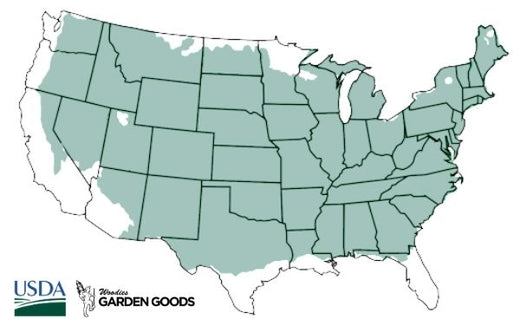
| Hardiness Zone: | 4-8 |
|---|---|
| Mature Height: | 7 to 10 feet commonly; may reach 10 to 15 feet in favorable conditions |
| Mature Width: | 3 to 6 feet |
| Sunlight: | Full sun to partial shade; cool, shaded root zone preferred |
| Soil | Fertile; moist; well-drained; humus-rich; neutral to slightly alkaline preferred |
| Water Requirements: | Moderate; consistent moisture preferred |
| Bloom Time / Color | Moderate; consistent moisture preferred / Deep violet-purple; blue-purple |
| Foliage | Medium to dark green |
| Ornamental Features | Large velvety violet-purple flowers; abundant summer blooms; vigorous climbing habit; decorative seedheads |
| Wildlife Value | Bees; butterflies; occasional hummingbirds; other nectar-feeding insects |
| Resistance (deer/disease/drought/etc.) | Generally less favored by deer; cold hardy; tolerates black walnut exposure |
| Landscape Uses | Trellises; arbors; pergolas; fences; climbing rose combinations; cottage gardens; patio accents; seasonal privacy screens; vertical gardens |
How to Care for Jackmanii Clematis
Before you buy a Jackmanii Clematis, make sure to read about the care instructions to keep your plant healthy and thriving.

How do I plant Jackmanii Clematis?
Select a location with full sun to partial shade and fertile, well-drained soil. Jackmanii Clematis flowers best when its climbing stems receive generous sunlight, while its roots benefit from cooler conditions. Dig a planting hole approximately twice as wide as the root ball. For a healthy, container-grown clematis, position the crown approximately 2 to 3 inches below the surrounding soil level, provided drainage is excellent. This encourages additional shoots to develop from the base. Install a trellis or other climbing support at planting time to avoid damaging established roots later. Apply a layer of organic mulch around the root zone, keeping mulch away from the stems. Water thoroughly after planting and maintain consistent moisture during establishment. Guide new stems toward the support as they grow, allowing their leaf stalks to wrap around suitable narrow trellis elements.

How often should I water Jackmanii Clematis?
Jackmanii Clematis grows best with evenly moist, well-drained soil, especially during active growth and flowering. Newly planted vines require regular watering while their root systems establish. Check the soil frequently and water deeply when the upper inch or two begins to dry. Avoid letting the root ball become completely dry during prolonged hot weather. Established vines still benefit from supplemental irrigation during dry summer periods. Mulching helps retain soil moisture and protects the roots from excessive heat. Consistent watering supports vigorous climbing growth and better flowering, but standing water or continuously saturated soil should be avoided.

What is the best fertilizer for Jackmanii Clematis?
Jackmanii Clematis benefits from moderate feeding in fertile, well-drained soil. In early spring, apply a balanced, slow-release fertilizer or incorporate a modest amount of compost around the root zone. Follow the fertilizer label carefully and avoid excessive nitrogen, which can encourage foliage growth at the expense of flowers. Once flower buds begin forming, a fertilizer appropriate for flowering plants may be used if the soil requires additional nutrients. Avoid applying concentrated fertilizer directly against the crown or stems. Adequate sunlight, consistent moisture, and healthy soil are essential for abundant Jackmanii Clematis flowers.

When should I prune Jackmanii Clematis?
Jackmanii Clematis belongs to Pruning Group 3, meaning it flowers on new growth produced during the current growing season. The best time to prune is late winter to early spring, before vigorous new growth begins. Cut established stems back to approximately 12 to 18 inches above ground level, making the cuts just above a healthy pair of buds. Remove dead, damaged, and tangled stems, then clear old growth from the climbing support as necessary. Fresh stems will emerge during spring and produce the season's flowers. Annual Group 3 pruning helps maintain a vigorous, manageable vine and encourages a strong summer flower display.


