


Images Depict Mature Plants
Rosemoor Clematis
Clematis 'Evipo002'
I've always had a particular appreciation for clematis varieties with dark, richly colored flowers, and Rosemoor is an outstanding example. The deep reddish-purple blossoms have a beautiful, almost velvety appearance, and those bright yellow stamens make the flower centers really stand out. What I especially like about Rosemoor is its ability to flower repeatedly over a long season. It's a great choice for a trellis beside a patio or a garden arbor where you want dependable color rather than a short flowering display. I also like combining it with pale pink roses, cream-colored flowers, or lavender-blue perennials because those lighter colors really emphasize Rosemoor's darker blossoms. My biggest recommendation is to give it a sturdy climbing support, maintain consistent moisture, and keep the roots cool during summer. I would also preserve healthy older stems during late-winter pruning to help protect the first flowering display. For homeowners who want a dramatic, long-blooming clematis with large red-purple flowers, Rosemoor is a variety I would definitely consider.
$63.96 with code SAVINGS20 at checkout Save $15.99
📦 Free shipping on orders over $99.
Delay shipping by leaving us a message at Checkout.
Share:Recommended Add-Ons



Rosemoor Clematis – Spectacular Reddish-Purple Flowers for Long-Lasting Summer Color
Enjoy Spectacular Reddish-Purple Flowers with Rosemoor Clematis
Rosemoor Clematis is an outstanding flowering vine for homeowners who appreciate rich, dramatic flower colors and exceptionally large blossoms. This distinctive cultivar produces striking flowers in deep reddish-purple shades that can appear burgundy, wine-red, or rose-purple depending on sunlight and the stage of flowering. Each blossom features broad, velvety-looking tepals surrounding a cluster of bright golden-yellow stamens, creating a dramatic contrast that makes the flowers especially noticeable. Individual blooms commonly measure 5 to 6 inches across, giving Rosemoor the impressive flower size associated with premium large-flowered clematis varieties. The combination of intensely colored flowers and fresh green foliage makes this vine a beautiful addition to residential gardens.
Unlike pale-flowered clematis varieties that create a softer visual effect, Rosemoor introduces bold, saturated color that stands out against lighter garden backgrounds. Its rich flowers look particularly impressive on cream-colored fences, natural wood trellises, and pale stone walls. The contrast between the deep reddish-purple tepals and golden stamens provides visual interest even when individual flowers are viewed up close. For homeowners looking to introduce a dramatic flowering accent without planting a large shrub, Rosemoor Clematis offers the perfect opportunity to bring substantial flower color into a relatively small landscape space.
Enjoy Repeat Blooms from Late Spring Through Early Fall
One of the most appealing characteristics of Rosemoor Clematis is its exceptionally long flowering season. Unlike clematis cultivars that produce one major display and then finish flowering, Rosemoor can produce blossoms on both retained stems from the previous growing season and fresh growth produced during the current year. This flowering habit supports a generous early display followed by additional blossoms during summer and into early fall. In favorable climates, gardeners can enjoy reddish-purple flowers from approximately May through September, although the timing and abundance naturally vary with local weather and growing conditions.
This repeat-flowering performance makes Rosemoor particularly valuable in garden designs where consistent color is important. Position it near a patio, entrance, or garden walkway where flowers can be enjoyed throughout the growing season. When paired with perennials that bloom at different times, Rosemoor helps maintain continuity between late-spring flowers and the colorful displays of late summer. The combination of impressive flower size and repeat blooming is one of Rosemoor's strongest purchasing benefits, making it a particularly rewarding choice for homeowners who want more than a brief seasonal display from their climbing vines.
Create Beautiful Trellises and Arbors with Rosemoor Clematis
Rosemoor Clematis is an excellent choice for creating colorful vertical garden displays on trellises, arbors, fences, and decorative obelisks. Its climbing stems produce a beautiful combination of green foliage and large reddish-purple blossoms, allowing homeowners to introduce substantial ornamental interest without occupying a broad planting area. As the vine grows, its leafstalks wrap around slender supports, gradually covering the structure with foliage and flowers. This makes Rosemoor especially useful beside patios, along garden walkways, or near entrances where the flowers can be viewed from different angles.
With appropriate support, Rosemoor commonly reaches approximately 7 to 10 feet tall, providing enough height to create an impressive flowering accent without requiring an enormous climbing structure. The vine can be trained to spread across a trellis or guided upward along an arbor to create a beautiful overhead display. Its flowers also pair well with decorative ironwork, rustic wood, and other traditional garden materials. Rosemoor Clematis combines the architectural advantages of vertical landscaping with the beauty of large summer flowers, making it a practical and attractive choice for small gardens and larger residential landscapes alike.
Pair Rosemoor Clematis with Roses and Colorful Perennials
Rosemoor Clematis is particularly attractive in mixed-flowering gardens, where its deep reddish-purple flowers contrast with lighter-colored plants. One of my favorite ways to use a dark-flowered clematis is alongside pale pink, cream, apricot, or white roses. The different flower shapes create a layered, romantic appearance while allowing each plant to retain its own ornamental character. Rosemoor's golden-yellow stamens also provide a subtle connection to yellow-flowering perennials, while its reddish-purple tepals contrast beautifully with pale blue salvia, lavender-blue catmint, and silver-foliaged plants.
The vine can be trained on a separate trellis near flowering shrubs or carefully guided through a suitably sturdy, established climbing rose. In either situation, provide adequate root space, consistent moisture, and good air circulation for both plants. Repeating the flower colors of surrounding perennials helps create a cohesive garden design, while Rosemoor's upright growth adds an important vertical layer. Homeowners who enjoy cottage gardens, colorful perennial borders, and traditional flowering arbors will appreciate how easily Rosemoor Clematis complements an established landscape without requiring a complete redesign.
Grow Rosemoor Clematis in Large Decorative Patio Containers
Rosemoor Clematis is well suited to large patio containers and decorative garden obelisks, making it a rewarding choice for homeowners with limited planting space. Its relatively compact climbing growth habit allows it to reach substantial height and produce beautiful flowers within a smaller footprint than many flowering shrubs. A large container near a patio entrance or outdoor seating area provides an ideal location to appreciate the cultivar's deep reddish-purple flowers and contrasting yellow centers. With a sturdy support, the vine becomes a beautiful vertical feature that adds color and elegance to outdoor living areas.
Choose a generously sized container, preferably at least 18 inches wide and deep, with adequate drainage holes and a moisture-retentive but well-drained potting mix. Position the pot where the flowering stems receive good sunlight while the roots remain protected from excessive summer heat. Container-grown clematis requires regular moisture checks because the potting soil can dry more quickly than garden soil. A decorative trellis or obelisk should be installed at planting time to avoid disturbing the roots later. With appropriate care, Rosemoor Clematis can provide a spectacular flowering display on patios, in courtyards, and in smaller gardens.
Enjoy Beautiful Flowers with Proper Group 2 Clematis Care
Rosemoor Clematis is generally classified as Pruning Group 2, meaning its first important flowering display develops on growth retained from the previous season, while additional flowers can appear on fresh growth later in the year. This makes selective pruning important for preserving the fullest early-season display. Rather than cutting the entire vine back to the ground every spring, gardeners should remove dead or damaged stems and lightly shorten healthy growth to strong buds when necessary. This maintains the plant's climbing framework while encouraging healthy new shoots. For further information on what the 'Pruning Groups' for clematis mean, read Woodie's guide to pruning clematis.
For the best long-term results, plant Rosemoor in fertile, moist but well-drained soil with adequate sunlight and a cool root zone. Like other large-flowered clematis varieties, it benefits from reliable watering during active growth and flowering, particularly during hot or dry weather. A layer of organic mulch helps conserve moisture and moderate soil temperatures. Provide a suitable trellis and guide young stems as they develop. With thoughtful annual maintenance, Rosemoor Clematis rewards gardeners with striking flowers, vigorous climbing growth, and a long season of beautiful garden color.
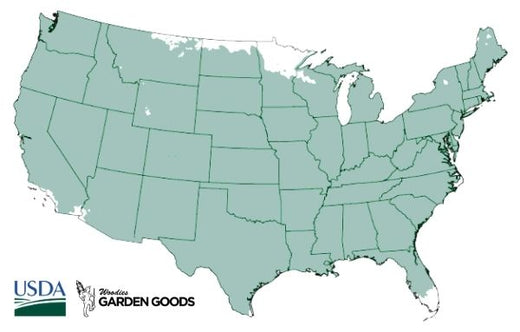
| Hardiness Zone: | 4-9 |
|---|---|
| Mature Height: | Approximately 7 to 10 feet; potentially taller in favorable conditions |
| Mature Width: | Approximately 3 to 5 feet; trained spread may vary |
| Sunlight: | Full sun to partial shade; roots benefit from cool conditions |
| Soil | Fertile; moist; well-drained; humus-rich; adaptable to loam, improved clay, and other well-drained soils |
| Water Requirements: | Moderate; consistent moisture during establishment and active growth |
| Bloom Time / Color | Late spring to early fall; typically May to September / Deep reddish-purple; rose-purple; burgundy-red; yellow stamens |
| Foliage | Medium green |
| Ornamental Features | Large reddish-purple flowers; velvety-looking tepals; bright yellow stamens; repeat flowering; long seasonal bloom display |
| Wildlife Value | Flower-visiting bees and other insects |
| Resistance (deer/disease/drought/etc.) | Cold hardy; some tolerance of deer browsing; adaptable to several soil textures with adequate drainage |
| Landscape Uses | Trellises; arbors; garden obelisks; decorative fences; patio containers; cottage gardens; mixed perennial borders; vertical garden accents |
How to Care for Rosemoor Clematis
Before you buy a Rosemoor Clematis, make sure to read the care instructions recommended to keep your plant healthy and thriving.

How should I plant Rosemoor Clematis?
Plant Rosemoor Clematis in a location that receives full sun to partial shade with fertile, well-drained soil. Its climbing stems and flowers benefit from good sunlight, while its root system performs best when protected from excessive summer heat. Dig a generous planting hole approximately twice the width of the root ball and loosen the surrounding soil. For a healthy container-grown, large-flowered clematis, position the crown approximately 2 to 3 inches below the surrounding soil level where drainage is reliable. This can encourage additional shoots to develop from the base and provides some protection if individual stems become damaged. Install a sturdy trellis, arbor, or decorative climbing support when planting to prevent future disturbance of the root system. Clematis climbs using twining leafstalks, so provide slender support elements that the vine can easily grasp. Space plants approximately 3 to 5 feet apart, depending on the intended design. Water thoroughly after planting and apply organic mulch around the root zone, leaving a small gap around the emerging stems. Avoid sites where heavy rainfall leaves standing water around the crown.

How often should I water Rosemoor Clematis after planting?
Newly planted Rosemoor Clematis requires consistent soil moisture during establishment. Water thoroughly after planting, then monitor the root zone regularly throughout the first growing season. When the upper inch or two of soil begins to dry, water deeply enough to moisten the surrounding root area. Adjust irrigation according to rainfall, temperature, soil texture, and exposure. Plants growing near walls or beneath roof overhangs may need additional attention because rainfall does not always reach their roots effectively. Once established, Rosemoor still benefits from moderate, dependable moisture during active growth and flowering. Prolonged drought may reduce flower production and weaken climbing growth, particularly during hot summer weather. Mulching helps conserve moisture and stabilize soil temperature. Container-grown specimens require closer monitoring because potting mix dries faster than garden soil. Avoid keeping the roots constantly saturated, since excellent drainage remains important for healthy clematis growth.

When should I fertilize Rosemoor Clematis?
Rosemoor Clematis benefits from light, balanced feeding in early spring as new growth begins. Apply a slow-release fertilizer suitable for flowering plants according to the manufacturer's label directions. If the soil already contains adequate nutrients, heavy fertilization may not be necessary. Incorporating compost into suitable soil can also help support healthy root growth and improve moisture retention. The goal is to encourage strong, balanced vines capable of supporting an abundant flower display. Avoid excessive nitrogen fertilizer, which may encourage leafy growth without improving flowering performance. A modest additional feeding after the first major flowering period may be helpful where soil conditions warrant it, but avoid encouraging excessive tender growth late in the season in colder climates. Consistent moisture, adequate sunlight, and healthy soil are more important than frequent fertilizer applications. Always keep concentrated fertilizer away from the crown and follow the product label carefully.

When and how should I prune Rosemoor Clematis?
Rosemoor Clematis is generally classified as Pruning Group 2, with flowers developing on both retained older stems and current-season growth. Its primary pruning should be performed in late winter or early spring before vigorous new growth begins. Remove dead, weak, and damaged stems, then shorten healthy shoots only where necessary to maintain a balanced climbing framework. Make cuts just above strong pairs of buds. Avoid routinely cutting the entire established vine to ground level, since this may eliminate or delay the earliest flowers. After the first flowering flush, lightly trim spent blooms or selected shoots if shaping is required. This can encourage a tidier plant and may support later flowering. Some commercial growers also recommend more substantial annual pruning for this cultivar, but preserving healthy older growth is a practical approach when the goal is maximizing the early-season display. Guide vigorous new stems back onto the support as they develop, and remove tangled growth only when necessary.


