
Full-Sun Perennial Plants for Lasting Color & Pollinator Gardens
Sun-powered color that returns bigger and better each year.
If you’ve got a bed that bakes in summer, perennials for full sun are the smart, satisfying answer—reliable plants that don’t just survive bright exposure, they thrive in it. “Full sun” generally means six or more hours of direct light, and that level of sun is what helps many perennials bloom harder, hold stronger color, and grow with a sturdier habit. The best part is how customizable this collection is: you can build a classic, cottage-style border with cheerful summer daisies and flowering spikes, create a modern look with clean mounding forms and repeat plantings, or go all-in on pollinator power with nectar-rich favorites that keep the garden humming. You’ll also find ways to stretch bloom time by mixing early, mid, and late performers—so your landscape doesn’t peak for one weekend and quit.
Success is mostly about matching plants to your real conditions—sun hours, drainage, and how often you can water—then keeping care simple while roots establish. Many full-sun perennials prefer well-drained soil and steady moisture early on, and once they’re rooted in, a deep watering rhythm (instead of daily sprinkles) often keeps them looking their best through heat. When blooms slow down, deadheading or a light midseason trim can bring back fresh flowers on wide varieties, and good spacing helps prevent common issues like powdery mildew by improving airflow. If you ever want a second opinion on spacing, timing, or troubleshooting, the We Grow Together Promise is there to support you.


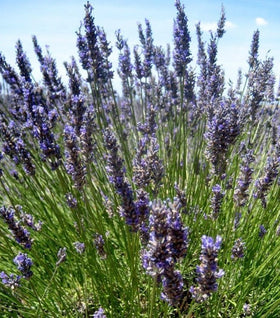


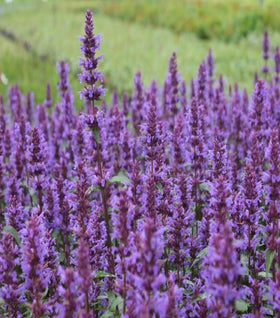


Sheffield Pink Chrysanthemum
$29.95


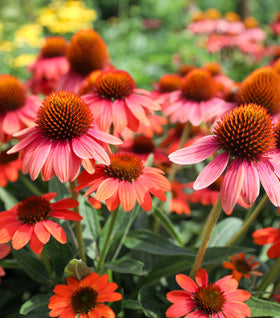

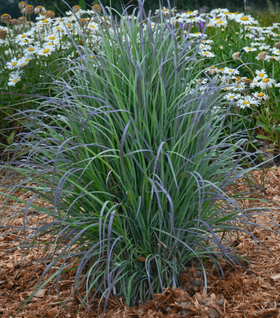
Standing Ovation Little Bluestem
As Low As $32.95


Summerific® Candy Crush Hibiscus
As Low As $36.95

Summerific® Edge of Night Hardy Hibiscus
As Low As $44.95

Summerific® Perfect Storm Hibiscus
As Low As $38.95

Swamp Milkweed (Asclepias incarnata)
As Low As $19.95


Tall Verbena (Verbena bonariensis)
$29.95

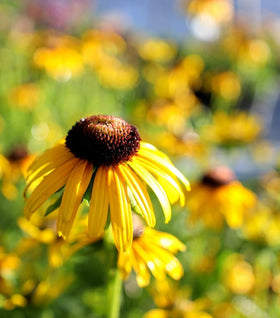
Viette’s Little Suzy Black Eyed Susan
$26.95



Turn sunny beds into a nonstop flower show.
Full-sun spaces are prime real estate, and perennials help you cash in on them for years. With six-plus hours of direct light, many perennials produce more flowers, tighter growth, and stronger color—especially when the soil drains well and plants aren’t crowded. This is how you create that “always in bloom” look: layer bloom windows, repeat a few standout plants, and let foliage texture carry the bed between flower waves.
This collection is built for real-life landscape uses—front-walk borders, mailbox beds, driveway islands, and foundation plantings where reflected heat can be intense. It’s also a natural fit for cutting gardens, because many classic sun perennials bloom steadily enough that you can snip bouquets without stripping the landscape bare. If pollinators are on your wish list, bright sun supports heavy flowering, and that steady bloom is exactly what draws in bees and butterflies across the season.
Containers can absolutely count as “full sun,” too—sometimes even more so, because pots heat up fast. Choose planters with drainage, use a high-quality potting mix, and water thoroughly when the surface begins to dry so roots get a deep drink. In return, you get porch and patio color that comes back year after year, with less replanting and a more permanent, designed feel than annual-only pots.
To keep everything looking intentional as it fills in, design in layers: lower plants at the edge, mid-height bloomers repeated in drifts, and a few taller accents for movement. This approach also simplifies maintenance because plants with similar light and water needs are grouped together, and the bed “reads” clearly from the street. You’re not just planting flowers—you’re building a sunny-season structure that holds up in June, July, and August.
Get the blooms, heights, and textures you’re craving.
Bloom timing is the secret to season-long color, and full-sun perennials make it easy to plan. Many gardens hit their first big stride in late spring and early summer, and some popular pollinator choices on this collection page—like swamp milkweed and verbena—are specifically noted for June bloom. Pair early bloomers with mid-summer staples and late-season finishers so there’s always something happening even when temperatures climb.
Mature size varies widely in sun perennials, which is great—because you can build depth without relying on shrubs alone. Some stay compact for edging and pathway lines, while others form bold clumps that anchor the middle of a bed, and many fill in over time as they establish. Planning around mature width (not the size in the pot) keeps plantings airy, healthier, and easier to maintain.
Growth rate in perennials is usually more about “how quickly they fill their space” than how tall they get overnight. Give them one solid season to root in, and you’ll often see stronger growth and better bloom performance in year two. If you want quick visual impact, plant in groups and repeat; if you want a cleaner, more minimalist look, choose fewer varieties and let shape and texture do the work.
Texture is where sun beds start to look professionally designed. Mix spires with daisy forms, fine-leafed plants with bold leaves, and mounding plants with a few airy accents, so the planting still looks interesting when only part of the bed is in bloom. This kind of contrast also photographs beautifully, which is a nice bonus when the garden is at its peak.
Place them where the sun does the work.
Start with the light math: “full sun” is typically defined as six or more hours of direct sunlight, and that’s the exposure that drives strong flowering for many perennials. If your site is borderline—only a few hours of direct light—expect fewer blooms and looser growth, and choose varieties that tolerate part sun instead. When you give sun-lovers the bright conditions they’re built for, you’ll usually get sturdier stems and heavier blooms.
Use placement for function, not just color. Full-sun perennials are excellent for pollinator strips along fences, curb-appeal borders by the street, hot foundation zones, and slope plantings where roots help hold soil over time. In windy spots, sturdier clump-formers and lower plants can outperform tall, floppy choices, and repeating a few tough varieties often looks cleaner and holds up better than planting one of everything.
Spacing is your long-term maintenance plan. A straightforward rule is to space plants based on their mature width (center-to-center), and many designers use 12-inch grid spacing for matrix-style plantings that will “self-edit” as they fill in. If you’d rather avoid the thinning step, space closer to the mature spread so plants touch lightly at maturity instead of smothering each other—either way, airflow is the goal.
Grow them easily with a simple seasonal rhythm.
Strong beds start with preparation. Many perennial-care resources emphasize bed cleanup, loosening soil to a meaningful depth, and adding organic matter like compost—especially in new beds—so roots establish faster, and watering stays more consistent. If drainage is a known issue, improving soil structure before planting is one of the highest-ROI moves you can make.
Watering is most important in the first season. Establishment usually goes best with deep, thorough watering that encourages roots to grow down, then a gradual shift to less frequent watering once plants are rooted in. Mulch helps stabilize moisture, but keep it from piling up on crowns and stems so you don’t create rot-friendly conditions.
Fertilizing is where restraint pays off. A light spring feeding (or compost topdressing) is often enough, and avoiding late-season nitrogen can help reduce soft, disease-prone growth. If a plant is blooming well and holding strong color, it’s usually already telling you the nutrition level is fine.
Pruning and deadheading are your bloom-extenders, and timing makes the difference between “fresh” and “chopped.” Many perennials respond well to deadheading or a light trim after the first flush to encourage new buds, and good spacing plus selective thinning helps prevent powdery mildew by improving airflow. If you do see mildew, cultural fixes—airflow, watering at the base, avoiding overfeeding—are often the first, best step.