


Images Depict Mature Plants
Dr. Ruppel Clematis
Clematis 'Dr. Ruppel'
I've always appreciated clematis varieties that give gardeners a big visual reward without requiring an enormous amount of space, and Dr. Ruppel Clematis is an excellent example. The first thing that catches my attention is the flower: those oversized rose-pink petals with their darker central stripes are absolutely beautiful, especially against a dark fence or wooden trellis. I particularly like using this variety where people can see the flowers up close, such as beside a garden gate, patio, or entrance. One thing I always remind gardeners about is that Dr. Ruppel is a Group 2 clematis, so you don't want to cut it back hard every spring as you would with Jackmanii. Preserve the healthy older stems, provide good moisture and a cool root zone, and you'll give the plant its best opportunity to produce those spectacular late-spring flowers and a second display later in the season. If you're looking for a large-flowered pink clematis to add height and color to your landscape, this is one I'd definitely recommend.
$63.96 with code SAVINGS20 at checkout Save $15.99
FREE Ground Shipping on orders over $49.99
This weekend only - ends Mon 11/23 at 12 PM ET
📦 Free shipping on orders over $99.
Delay shipping by leaving us a message at Checkout.
Share:Recommended Add-Ons



Dr. Ruppel Clematis – Spectacular Pink Blooms for Vertical Gardens
Dr. Ruppel Clematis Delivers Spectacular Two-Tone Pink Flowers
Few flowering vines offer the immediate visual impact of Dr. Ruppel Clematis. Its enormous rose-pink flowers, highlighted by rich raspberry-pink central stripes, create an almost hand-painted appearance that makes this variety especially desirable among large-flowered clematis. Individual blossoms can measure approximately 6 to 8 inches across, producing an impressive display that attracts attention from across the garden. The combination of broad petals, contrasting central stripes, and delicate stamens creates a sophisticated flower that complements both traditional and contemporary landscapes.
These oversized blossoms appear against attractive green foliage, providing a beautiful balance of color and texture. Dr. Ruppel Clematis is especially effective when trained against a dark fence, wooden trellis, or decorative metal arbor, where the bright flowers become even more prominent. Gardeners who appreciate pink-flowering vines will find its distinctly patterned blossoms particularly appealing, while homeowners seeking a colorful focal point can use a single plant to create an elegant vertical display.
Enjoy Repeat Blooms From Late Spring Through Summer
One of the most appealing characteristics of Dr. Ruppel Clematis is its ability to produce flowers during two separate periods of the growing season. The first flush typically arrives in late spring to early summer, when established vines produce large, beautifully patterned flowers on growth retained from the previous season. This early display provides an excellent transition between spring-flowering shrubs and the colorful perennials of summer, helping to maintain interest in garden spaces that might otherwise experience a lull in flowering.
Under favorable growing conditions, Dr. Ruppel Clematis can produce a second flush of flowers in late summer to early fall, although this later display is generally lighter than the first. Proper watering, appropriate fertilization, and selective pruning help support healthy growth and additional flowers. Gardeners looking for repeat-blooming clematis will appreciate the extended seasonal interest this variety provides, especially when combined with summer-flowering perennials and shrubs that complement its striking rose-pink coloration.
Create Stunning Trellises, Arbors, and Flowering Garden Accents
Dr. Ruppel Clematis is an excellent choice for homeowners who want to introduce vertical color without sacrificing valuable garden space. Its natural climbing habit allows the vine to weave gracefully through trellises, arbors, obelisks, and decorative fencing. As new growth develops, the plant uses its leaf stalks to grasp appropriately sized supports, gradually creating a beautiful framework of foliage and flowers. This makes it particularly useful beside entryways, patios, walkways, and garden seating areas where its spectacular blossoms can be enjoyed up close.
Although it climbs enthusiastically, Dr. Ruppel Clematis remains more manageable than many larger ornamental vines. Depending on growing conditions and support, established plants commonly reach 8 to 10 feet tall, providing enough height to create a vertical structure without overwhelming an average residential garden. For the best display, provide a sturdy support with narrow elements that its leaf stalks can easily wrap around. The result is a flowering accent that adds depth, architectural interest, and a distinctly romantic character to the landscape.
Add Elegant Pink Flowers to Patios and Container Gardens
Gardeners with smaller landscapes can enjoy the exceptional flowers of Dr. Ruppel Clematis by growing it in a large decorative container with a sturdy trellis or obelisk. Its manageable climbing habit makes it particularly well suited to patios, courtyards, balconies, and other outdoor living spaces where traditional garden beds may be limited. The large, vividly patterned blossoms create an impressive focal point, while the vertical growth habit allows the plant to provide considerable ornamental value without requiring a broad planting area.
For container growing, select a generously sized pot with adequate drainage and fill it with a high-quality, moisture-retentive but well-drained potting mix. Position the container where the vine receives sufficient sunlight while protecting the root system from excessive summer heat. Consistent moisture is especially important for container-grown clematis, since pots dry more quickly than garden soil. With appropriate support and seasonal care, Dr. Ruppel Clematis can become a striking feature near a front entrance, outdoor dining space, or sunny patio.
A Beautiful Flowering Vine for Sun and Partial Shade
Dr. Ruppel Clematis performs beautifully in locations receiving full sun to partial shade, making it adaptable to many residential landscapes. In regions with particularly hot summers, a site that receives morning sunlight and some afternoon protection can help preserve flower color and reduce stress during periods of intense heat. Like many large-flowered clematis varieties, it appreciates having its foliage and flowers exposed to good light while its roots remain cool, moist, and protected from excessive temperature fluctuations.
The most successful planting sites combine fertile, well-drained soil with consistent moisture and good air circulation. Adding compost to suitable garden soil can improve structure and support healthy root development, while a layer of organic mulch helps regulate soil temperature. Avoid planting in areas where water regularly collects, as prolonged saturation can damage the root system. Once established, this durable perennial vine returns each spring with fresh growth and the promise of another spectacular display of striped pink flowers.
A Distinctive Clematis for Long-Lasting Garden Beauty
Dr. Ruppel Clematis offers a combination of exceptional flower size, distinctive coloration, and enduring landscape value that makes it a rewarding addition to established gardens and new planting projects alike. Its beautiful rose-pink blossoms complement white flowering perennials, deep purple salvias, blue-flowering catmint, and ornamental grasses. The vine also provides an attractive vertical companion to flowering shrubs, allowing gardeners to create layered compositions with varying heights, textures, and seasonal flowering periods.
Because it is a Group 2 clematis, Dr. Ruppel benefits from selective pruning rather than the hard annual cutback required by some other varieties. Maintaining healthy older stems helps preserve the early flowering display, while removing weak or damaged growth encourages a balanced, attractive plant. Gardeners seeking a pink climbing clematis for a trellis, arbor, or patio container will appreciate its ability to return year after year with dramatic flowers and dependable ornamental interest. For a landscape that needs height, vivid color, and a refined flowering accent, Dr. Ruppel Clematis is an excellent choice. For further information on what the 'Pruning Groups' for clematis mean, read Woodie's guide to pruning clematis.
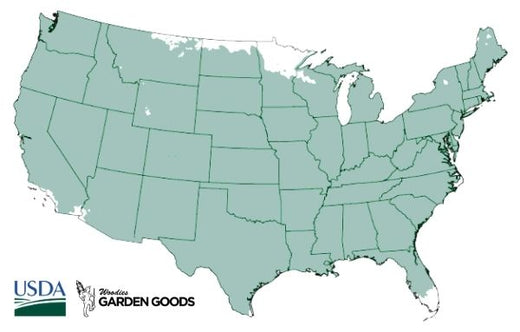
| Hardiness Zone: | 4-9 |
|---|---|
| Mature Height: | Approximately 8 to 10 feet |
| Mature Width: | Approximately 2 to 4 feet |
| Sunlight: | Full sun to partial shade |
| Soil | Fertile; well-drained; moisture-retentive; organically enriched |
| Water Requirements: | Moderate; consistently moist during establishment; avoid waterlogged soil |
| Bloom Time / Color | Late spring to early summer; possible repeat flowering in late summer to early fall, Rose pink; deep pink central stripes; cream to pale stamens |
| Foliage | Medium green |
| Ornamental Features | Large two-tone pink flowers; darker central stripes; repeat flowering; attractive seed heads; climbing foliage |
| Wildlife Value | Nectar and pollen visits by bees and other flower-visiting insects |
| Resistance (deer/disease/drought/etc.) | Cold hardy; moderate deer resistance; adaptable to partial shade |
| Landscape Uses | Trellises; arbors; fences; obelisks; patio containers; cottage gardens; vertical accents |
How to Care for Dr. Ruppel Clematis
Before you buy a Dr. Ruppel Clematis, make sure to read the care instructions recommended to keep your plant healthy and thriving.

How do you plant Dr. Ruppel Clematis?
Plant Dr. Ruppel Clematis in a location receiving full sun to partial shade, preferably where the foliage receives good light and the root system remains relatively cool. Choose fertile, well-drained soil and position a trellis, arbor, or other climbing support before planting. Dig a generous planting hole, loosen the surrounding soil, and incorporate compost if needed to improve soil structure. In climates where appropriate, planting the crown slightly below the surrounding soil surface can help encourage additional shoots from the base. After planting, water thoroughly to settle the soil around the roots and eliminate air pockets. Apply a 2- to 3-inch layer of organic mulch, keeping it away from the stems to reduce the risk of moisture-related problems. Gently guide young shoots toward their support, securing them loosely if necessary until the leafstalks begin climbing naturally. Provide adequate airflow and avoid planting directly beneath roof overhangs where rainfall may not reach the roots.

How often should you water Dr. Ruppel Clematis?
Dr. Ruppel Clematis grows best when its root system receives consistent moisture without remaining waterlogged. During the first growing season, check the soil regularly and water deeply whenever the upper inch or two begins to dry. Newly planted vines may require more frequent watering during hot weather, particularly in sandy soils or locations exposed to drying winds. Deep watering helps encourage healthy root development and is generally preferable to frequent light sprinkling. Once established, the vine becomes more resilient but still benefits from supplemental moisture during extended dry periods. Container-grown plants typically require more attention because their root systems are restricted and potting mixes dry more rapidly. Avoid allowing the root zone to become excessively dry while flower buds are developing, since moisture stress can reduce flowering performance. Maintaining mulch around the roots helps conserve moisture and stabilize soil temperatures throughout summer.

What fertilizer is best for Dr. Ruppel Clematis?
A balanced, slow-release fertilizer formulated for flowering plants can support healthy growth and flowering in Dr. Ruppel Clematis. Apply fertilizer in early spring according to the product's label directions, preferably after new growth becomes visible. If the soil is already fertile, heavy fertilization may be unnecessary. Incorporating compost or other suitable organic matter can improve soil quality and support nutrient availability without encouraging excessive soft growth. Avoid applying excessive nitrogen, which can produce abundant foliage at the expense of flowers. A moderate feeding after the first major bloom may help support continued growth where soil conditions justify additional nutrients. Always water after applying granular fertilizer, and avoid placing concentrated fertilizer directly against the crown or stems. Plants growing in containers may benefit from carefully managed supplemental feeding because nutrients are gradually depleted or washed from the potting mix.

When and how should you prune Dr. Ruppel Clematis?
Dr. Ruppel Clematis belongs to Pruning Group 2, which includes many early large-flowered clematis varieties. These plants produce their principal spring or early-summer flowers on shoots arising from stems retained from the previous growing season. They may also flower later on new growth. The recommended pruning approach is to remove dead or damaged growth in late winter or early spring and lightly shorten healthy stems above strong buds as needed. After the first flowering period, selective trimming can encourage a tidier appearance and may support repeat blooming. Heavy annual pruning can eliminate much of the early flowering display.


