

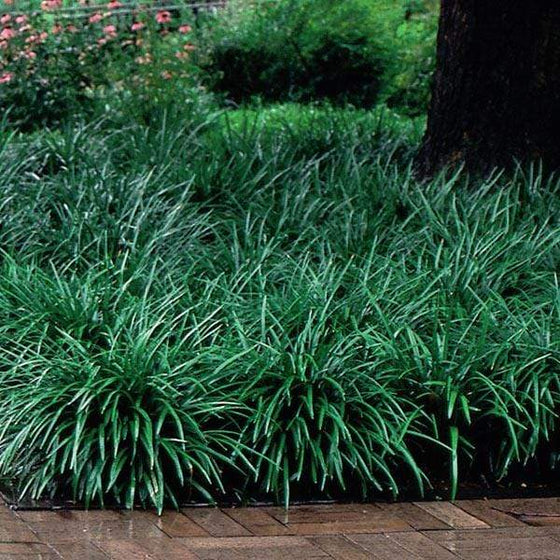


Images Depict Mature Plants
Big Blue Liriope
Liriope muscari 'Big Blue'
Big Blue Liriope is one of those dependable landscape plants that I appreciate more every year. It isn't flashy all season long, but it has an incredible ability to make a planting bed look neat, organized, and finished. I especially like using it along walkways, at the front of shrub borders, and beneath established trees where a traditional lawn may struggle. The arching dark green foliage provides a strong edging effect, and the lavender-purple flowers in late summer are a nice bonus. One thing I always remind gardeners is that Big Blue is a clumping liriope, but its clumps will gradually expand, so it's worth keeping an eye on the edges of the planting. My favorite maintenance tip is simple: give the plants a late-winter haircut before new growth starts, and they'll return with attractive fresh foliage in spring. If you need a durable, low-maintenance border plant, Big Blue is certainly worth considering.
$14.36 with code SAVINGS20 at checkout Save $3.59
FREE Ground Shipping on orders over $49.99
This weekend only - ends Mon 11/23 at 12 PM ET
📦 Free shipping on orders over $99.
Delay shipping by leaving us a message at Checkout.
Share:



Beautiful Evergreen Edging with Dark Green Foliage and Purple Summer Flowers
Big Blue Liriope Creates Beautiful, Low-Maintenance Landscape Borders
Some plants have a way of making an entire landscape look more finished, and Big Blue Liriope is one of the best examples. This versatile clumping perennial develops attractive mounds of dark green, grass-like foliage that bring order and consistency to garden beds, foundation plantings, and landscape borders. Its graceful, arching leaves create a soft texture while maintaining a well-defined shape, making it especially useful where homeowners want to separate lawn areas from ornamental planting beds. Unlike many showier perennials that disappear during the dormant season, Big Blue provides extended foliage interest and can remain evergreen in milder climates.
Big Blue Liriope is particularly valuable because it combines an attractive, uniform growth habit with relatively simple maintenance. Plant it in repeated groups along a walkway, surround a foundation planting with a low border, or establish a broad sweep beneath shrubs to create an appealing green foreground. Individual clumps typically grow approximately 12 to 18 inches tall and gradually expand as they mature. The result is a durable landscape plant that provides consistent texture without requiring the frequent cutting associated with lawn grass. For homeowners seeking reliable edging and attractive groundcover, Big Blue Liriope offers an excellent combination of function and beauty.
Dark Green Grass-Like Foliage Provides Year-Round Landscape Structure
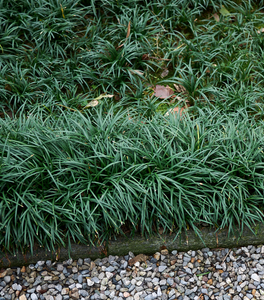
The most distinctive feature of Big Blue Liriope is its dense, arching foliage that resembles a small ornamental grass. The leaves emerge from a basal clump and form a rounded mound of glossy, deep green color. This appearance makes Big Blue especially effective as a transitional plant between lawn areas and taller shrubs or perennials. Its narrow, strap-like leaves create an elegant texture that complements broadleaf evergreens, flowering shrubs, and shade-loving plants. Although liriope is often called lilyturf or monkey grass, it is not a true grass, which explains some of the differences in its growth and maintenance.
In regions with mild winters, Big Blue Liriope can retain attractive foliage throughout much of the year. In colder climates, it may behave as a semi-evergreen perennial, with leaves browning or becoming weathered after severe winter conditions. A simple late-winter cleanup allows fresh foliage to emerge in spring and quickly restore the planting's appearance. This dependable seasonal renewal makes Big Blue an appealing choice for homeowners who want consistent landscape texture without extensive maintenance. Its dark green color also provides a beautiful backdrop for nearby flowering plants and creates a strong, clean edge around mixed garden beds.
Lavender-Purple Flower Spikes Add Color in Late Summer
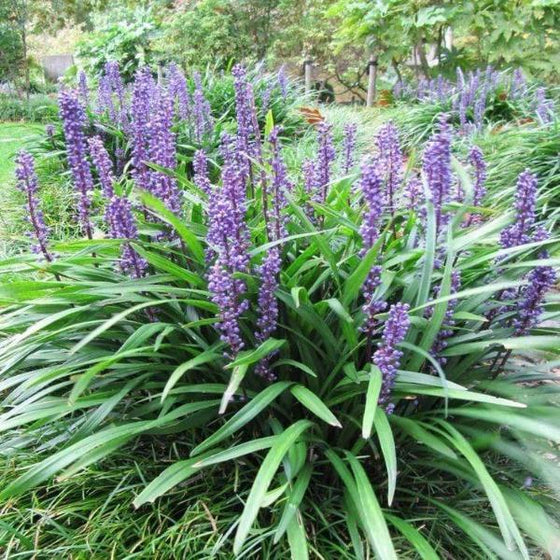
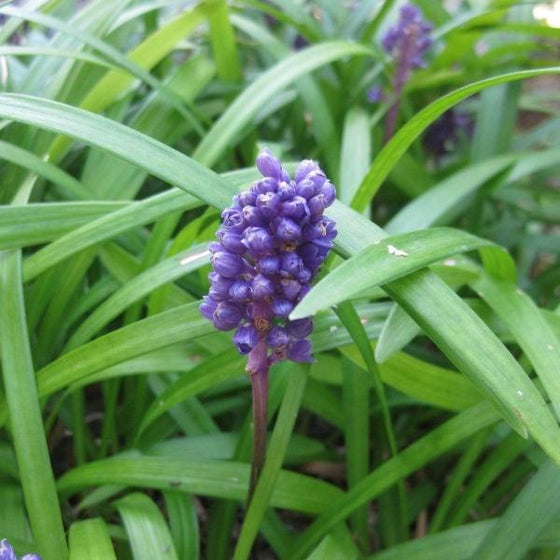
While Big Blue Liriope is primarily grown for its foliage, its lavender-purple flower spikes provide an attractive bonus. During late summer and into early fall, upright clusters of small flowers emerge from the dense foliage, introducing vertical color just as many spring-blooming perennials have finished. The blossoms resemble miniature grape hyacinth flowers and create a particularly attractive display when multiple plants are grouped together. Against the deep green leaves, their purple color becomes more noticeable, adding another dimension to the planting.
Following flowering, Big Blue Liriope may produce small, dark, berry-like fruits that contribute subtle seasonal interest. These are especially noticeable when the foliage remains healthy, and the plants receive enough light for good flowering. A sunny or partially shaded location generally encourages stronger bloom production than deep shade. The combination of glossy green foliage, purple flowers, and dark fall fruit makes Big Blue more ornamental than a simple grass-like edging plant. For homeowners who want a practical groundcover with additional seasonal character, its flowering display is a welcome advantage.
An Adaptable Groundcover for Sun, Partial Shade, and Woodland Gardens
Big Blue Liriope is especially valuable in landscapes where sunlight changes throughout the day. It can grow in full sun to partial shade and tolerates more substantial shade, making it useful beneath high-canopy trees and near buildings where direct sunlight is limited. This adaptability allows homeowners to repeat the same plant through several different garden areas, creating a coordinated design even when growing conditions vary. In sunny areas, adequate moisture helps maintain attractive foliage, while partial shade can be particularly beneficial in hotter climates.
In shaded gardens, Big Blue Liriope provides grass-like texture where traditional lawn grass may struggle, especially beneath trees or along the edges of wooded areas. It also works beautifully in foundation beds, beneath shrubs, and beside shaded walkways. The plants generally establish best in moderately fertile, well-drained soil, although mature clumps can tolerate periodic dry conditions. Gardeners should expect slower growth and potentially fewer flowers in deep shade. With a suitable site and consistent watering during establishment, Big Blue Liriope creates an attractive groundcover across a useful range of light conditions.
Clumping Growth Makes Big Blue Ideal for Edging and Mass Plantings
Unlike creeping liriope, which spreads through running underground stems, Big Blue Liriope develops primarily as expanding clumps. This growth habit makes it particularly useful in designed landscapes where homeowners want a repeatable, organized planting pattern. Individual plants gradually become fuller as they mature, creating rounded mounds that can eventually meet when planted at appropriate intervals. That makes Big Blue excellent for lining sidewalks, defining flower beds, and creating broad groundcover plantings with an attractive, uniform appearance.
For a relatively continuous groundcover effect, Big Blue Liriope is commonly planted 12 to 18 inches on-center, depending on plant size and the desired rate of coverage. Closer spacing creates a fuller appearance sooner, while wider spacing allows individual clumps to remain distinct for longer. Although this cultivar is generally less aggressive than running liriope, established clumps can expand and should be monitored near natural areas and planting boundaries. Periodic division and removal of unwanted seedlings or offsets can help maintain the intended design. For planned landscape beds, Big Blue offers a useful balance of consistent growth and manageable maintenance.
Deer Resistance and Drought Tolerance Add Practical Landscape Value
Big Blue Liriope has earned a place in many landscapes because it offers good resistance to deer browsing and tolerance of periodic dry conditions once established. Its tough, strap-like foliage is generally less appealing to deer than the tender growth of many flowering perennials. That makes it useful in suburban and rural gardens where browsing can be frustrating. However, no ornamental plant is completely deer-proof, and local conditions can affect browsing behavior. In most situations, Big Blue remains a dependable choice for homeowners seeking a resilient border plant.
After its roots are established, Big Blue Liriope can also tolerate periods of reduced rainfall, although occasional supplemental watering helps keep foliage attractive during extended drought. This adaptability is especially valuable under established trees, where roots compete for moisture and nutrients. The plant also tolerates warm, humid weather and many common conditions in residential landscapes. For best results, provide adequate moisture during the first growing season and avoid planting in areas with persistently saturated soil. With sensible establishment care, Big Blue can become a durable and relatively low-maintenance part of the landscape.
Big Blue Liriope Makes Foundation Beds and Walkways Look Finished
One of the most effective ways to use Big Blue Liriope is to create a clean, repeating border along a walkway or foundation planting. Its dark green foliage provides a consistent low-growing edge that visually connects larger trees, shrubs, and ornamental perennials. Rather than leaving bare soil scattered between taller plants, repeating clumps of liriope create a coordinated appearance and help define the shape of the garden bed. The soft arching leaves contrast especially well with upright evergreens, rounded shrubs, and flowering plants with broader foliage.
Big Blue is equally effective in mass plantings beneath established shrubs and along woodland garden edges. Its foliage adds texture and continuity even when surrounding plants are not blooming. In a mixed border, it can serve as a foreground layer, allowing the flowering plants behind it to stand out. When planting near trees, avoid damaging major roots and remember that competition for water can be substantial. Homeowners seeking a practical way to organize a landscape will appreciate how a simple planting of Big Blue Liriope can make beds, paths, and foundation areas appear more deliberate and polished.
Simple Seasonal Care Keeps Big Blue Liriope Looking Attractive
Big Blue Liriope is particularly appealing to gardeners who want a durable perennial that requires little attention. Its most important maintenance task is usually a late-winter or early-spring cleanup. Before new foliage begins to emerge, remove weathered leaves or cut back old growth to allow fresh spring foliage to develop cleanly. In milder climates, some of the existing foliage may remain attractive enough that only selective trimming is necessary. This simple annual maintenance helps keep border plantings neat and reduces the accumulation of damaged leaves.
Established clumps may eventually benefit from division when they become overly crowded or thin in the center. Spring is a convenient time to lift and separate healthy sections, then replant them at appropriate spacing. Light fertilization may be helpful in poor soil, but excessive feeding is generally unnecessary. Water thoroughly during establishment and during prolonged dry weather, particularly where tree roots compete for moisture. With these straightforward practices, Big Blue Liriope can provide attractive foliage, late-summer flowers, and reliable landscape structure for many seasons.

| Botanical Name: | Liriope muscari ‘Big Blue’ |
|---|---|
| Hardiness Zone: | 5-10 |
| Mature Height: | 12 to 18 inches; flower spikes may extend higher |
| Mature Width: | 12 to 24 inches |
| Sunlight: | Full sun to partial shade; tolerates deeper shade |
| Soil Condition: | Average to fertile; well-drained; acidic to neutral preferred |
| Water Requirement: | Regular during establishment; moderate to low afterward |
| Bloom Time / Color | Late summer to early fall; Lavender-purple to violet-blue |
| Ornamental Features | Arching foliage; purple flower spikes; dark berry-like fruit |
| Wildlife Value | Limited documented wildlife value; flowers may receive insect visitors |
| Resistance: | Deer resistant, drought tolerant once established |
| Landscape Uses | Edging; borders; groundcover; foundation beds; shade gardens; mass planting |
How to Care for Big Blue Liriope
Before you buy a Big Blue Liriope, make sure to read about the care instructions to keep this plant healthy and flourishing.

How should I plant Big Blue Liriope?
Choose a location with full sun, partial shade, or moderate shade and soil that drains reasonably well. Dig a hole approximately twice as wide as the root ball and no deeper than the container. Remove the plant carefully, loosen any circling roots, and position it so the crown sits level with the surrounding soil. Backfill with the original soil and water thoroughly to settle the roots. Big Blue is particularly useful along walkways, around foundation shrubs, and in mass plantings beneath trees. For a filled-in border or groundcover effect, space plants approximately 12 to 18 inches apart on center. Closer spacing creates a denser appearance sooner, while slightly wider spacing allows individual clumps to develop. Apply a thin layer of mulch around the plants, keeping it away from the crowns. If planting beneath established trees, work carefully around major roots and provide extra attention to watering during establishment.

How often should I water Big Blue Liriope after planting?
Water Big Blue Liriope thoroughly immediately after planting. During the first growing season, check soil moisture regularly and water when the upper portion of the soil begins to dry. Young plants need consistent moisture to develop healthy roots, particularly during hot weather. Avoid allowing the root zone to remain continuously saturated, as prolonged wet conditions can contribute to crown and root problems. Once established, Big Blue Liriope develops good tolerance for periodic drought, although supplemental watering during extended dry spells helps maintain healthy foliage. Plants growing beneath mature trees may require additional attention because of competition for water. A layer of mulch helps conserve moisture and reduces weed competition. Water deeply when needed rather than relying on frequent shallow sprinkling.

When should I fertilize Big Blue Liriope?
Big Blue Liriope is generally a light feeder that does not require frequent fertilization. If the soil is reasonably fertile and the plants are growing well, additional fertilizer may not be necessary. Where growth is weak because of a confirmed nutrient deficiency, apply a balanced, slow-release fertilizer in early spring before new growth begins, following the product label. Avoid heavy nitrogen applications that encourage excessive foliage growth. A modest amount of compost around established plants may help maintain soil quality without excessive feeding. In most landscapes, appropriate sunlight, good establishment, and spring cleanup contribute more to the appearance of Big Blue Liriope than frequent fertilizer applications.

When and how should I prune Big Blue Liriope?
The best time to cut back Big Blue Liriope is late winter or very early spring, before fresh foliage emerges. Remove brown, tattered, or winter-damaged leaves to make room for healthy new growth. Small plantings can be trimmed with hand pruners or hedge shears. For extensive beds, mechanical trimming may be practical, provided the blades are set high enough to avoid damaging the crowns. If the plant remains attractive through a mild winter, selective removal of damaged foliage may be sufficient. Avoid cutting after new spring leaves have emerged, as this can leave the fresh foliage with unattractive cut tips. Mature clumps can also be divided in spring if they become crowded, thin in the center, or spread outside the intended planting area.