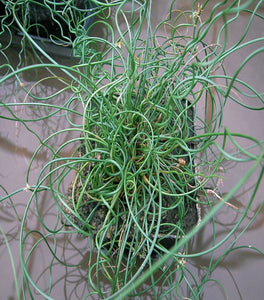
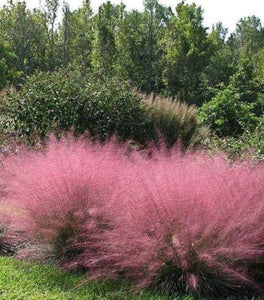
Images Depict Mature Plants
Soft Rush
Juncus effusus
Soft Rush is a practical plant for gardeners dealing with wet ground. It is not flashy in the flower department, but it does an excellent job adding clean upright texture to rain gardens, pond edges, bioswales, and low areas where many perennials struggle. Give it moisture, use it where its natural spreading habit makes sense, and it becomes a dependable native workhorse.

15% OFF SITEWIDE SALE
Use Code 'PRIMETIME15' At Checkout
📦 Free shipping on orders over $99.
Delay shipping by leaving us a message at Checkout.
Share:Recommended Add-Ons



A Native Rush for Wet Soil, Rain Gardens, and Pond Edges
Upright Green Texture for Wet Landscape Areas
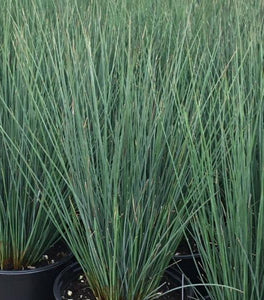
Soft Rush is a native wetland perennial grown for its upright, cylindrical green stems and strong performance in consistently moist to wet soil. Botanically known as Juncus effusus, this grass-like plant brings clean vertical texture to rain gardens, pond edges, stream banks, wet meadows, bog gardens, drainage areas, and low spots.
The stems grow in dense clumps, adding structure without relying on showy flowers. Use Soft Rush where moisture is naturally present and where a tough, adaptable native plant can help create a more natural, finished look.
A Practical Native Plant for Rain Gardens
Soft Rush is one of the most useful native rushes for rain gardens and stormwater plantings. It tolerates wet soil, temporary standing water, and heavy moisture better than many traditional perennials.
It is especially valuable in areas that shift between wet and moderately moist conditions. Plant it near downspout gardens, bioswales, retention areas, pond margins, and low sections of the yard where water collects after storms.
Clean Vertical Form with Natural Habitat Value
Soft Rush forms many-stemmed clumps that commonly reach 2–4 feet tall. The stems are round, smooth, and leafless-looking, giving the plant a simple architectural appearance that works in both natural and modern wet-site designs.
In habitat plantings, Soft Rush provides cover and structure for wetland edges. Dense clumps can help stabilize soil, soften hard pond edges, and support a more layered native planting when combined with moisture-loving perennials and shrubs.
Small Flowers, Seed Capsules, and Wildlife Use
Soft Rush produces small greenish to brown rush flowers in summer. These flowers are not showy, but they are part of the plant’s natural wetland character and may be followed by seed capsules.
The plant is grown primarily for foliage texture and ecological function. Birds may use dense clumps for shelter, and wetland wildlife can benefit from the cover and structure the plant provides.
Low Maintenance Where Soil Stays Moist
Plant Soft Rush in full sun to part shade with moist to wet soil. It can grow in shallow standing water and saturated ground, but it can also adapt to regular garden soil if moisture is consistent.
Maintenance is simple. Remove tired or winter-damaged stems in late winter or early spring before fresh growth begins. If spread is a concern, grow Soft Rush in a container, submerged pot, or managed rain garden area where the clump can be controlled.
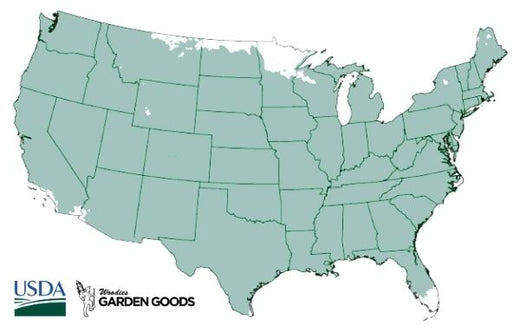
| Hardiness Zone: | 4-9 |
|---|---|
| Mature Height: | 2 to 4 feet |
| Mature Width: | 2 to 3 Feet |
| Sunlight: | Full sun to part shade |
| Soil | Moist to wet soil; tolerates clay, sandy, boggy, saturated, and shallow-water conditions |
| Water Requirements: | Keep consistently moist; tolerates wet soil and standing water up to about 4 inches |
| Bloom Time / Color | Summer; small green to brown rush flowers are generally insignificant |
| Ornamental Features | Upright green stems, clumping wetland habit, vertical texture, naturalistic pond-edge structure |
| Wildlife Value | Provides cover and shelter for birds and wetland wildlife; roots can help stabilize wet soil |
| Resistance | Generally deer resistant; low maintenance in wet soil; tolerant of wet sites and occasional dry periods once established |
| Landscape Uses | Rain garden, pond edge, bog garden, water garden, wet meadow, stream bank, shoreline planting, drainage area, bioswale, low spot, native planting |
How to Care for Soft Rush
Before you buy Soft Rush, make sure to read about the recommended care instructions to keep this plant healthy and thriving.

How should I plant Soft Rush?
Plant Soft Rush in full sun to part shade with moist to wet soil. Choose a location where the soil stays damp, such as a rain garden, pond edge, bog garden, wet meadow, drainage area, stream bank, or low spot. Dig a hole about as wide as the root ball and just as deep. Set the crown level with the surrounding soil, backfill gently, and water thoroughly. If you want to limit the spread in wet soil, plant it in a submerged pot or managed container.

How often should I water Soft Rush after planting?
Water Soft Rush deeply after planting and keep the soil consistently moist while roots establish. This plant is naturally suited to wet soil, so it should not be allowed to dry out for long periods during establishment. Once established, Soft Rush can tolerate wet soil, saturated conditions, and shallow standing water. It may also handle occasional short dry periods, but it performs best where moisture is reliable.

When should I fertilize Soft Rush?
Soft Rush usually needs little fertilizer when planted in wet garden soil, rain gardens, or pond-edge settings. A light spring application of compost or a mild slow-release fertilizer is enough for most landscape plantings. Avoid heavy fertilizing, especially in water garden or runoff areas. Proper moisture, light, and placement are more important than frequent feeding.

When and how should I prune Soft Rush?
Prune Soft Rush in late winter or early spring by removing browned, tired, or winter-damaged stems. Cut old growth close to the base before fresh new stems begin to fill in. During the growing season, trim out individual damaged stems as needed. If the clump becomes too large or spreads beyond its space, divide it in spring and replant only the sections you want to keep.