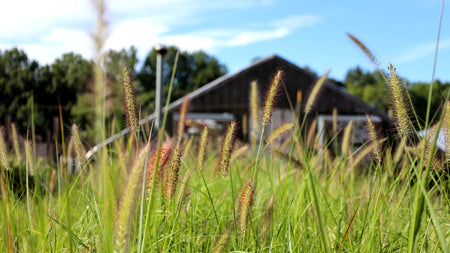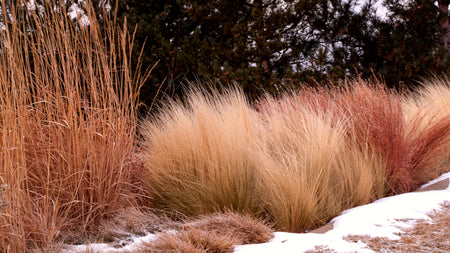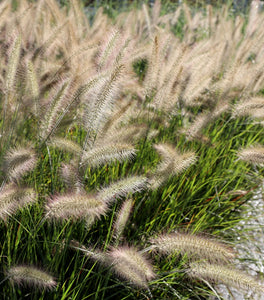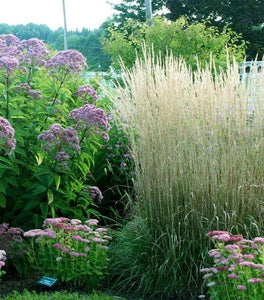



Images Depict Mature Plants
Elijah Blue Fescue
Festuca glauca 'Elijah Blue'
I've always liked Elijah Blue Fescue because you get such a beautiful blue color from a plant that doesn't take up much room. Those little rounded mounds of silver-blue foliage can make an ordinary garden bed look completely different, especially when you plant them alongside yellow flowers, purple Catmint, or dark green evergreens. I particularly like using Elijah Blue for edging sunny walkways, filling spaces in rock gardens, and adding color to decorative containers. It has a naturally tidy appearance, so you don't have to spend much time trying to keep it shaped. One thing I always recommend, though, is paying close attention to drainage. Elijah Blue likes sunny locations and soil that doesn't stay wet, and it can struggle during prolonged hot, humid summers. I've also found that blue fescues look their best when you don't try to keep the same clump forever. Every few years, if the center starts opening up or turning brown, divide it and keep the healthy outer sections. That little bit of maintenance goes a long way toward preserving the appearance of the plant. Give Elijah Blue the right conditions, avoid overfertilizing, and you'll have one of the nicest small blue ornamental grasses for adding color and texture to a sunny landscape.
$15.96 with code SAVINGS20 at checkout Save $3.99
📦 Free shipping on orders over $99.
Delay shipping by leaving us a message at Checkout.
Share:

Elijah Blue Fescue – Brilliant Silver-Blue Color for Sunny Borders and Rock Gardens
Elijah Blue Fescue Adds Brilliant Silver-Blue Color to Sunny Landscapes
Elijah Blue Fescue is one of those small ornamental grasses that can make a surprisingly big difference in a landscape. Its intensely silver-blue, finely textured foliage provides a beautiful contrast against the green leaves and colorful flowers of neighboring plants. Rather than developing tall stems or spreading across a large area, Elijah Blue forms a compact, naturally rounded mound of narrow, needle-like leaves that maintains an attractive shape without frequent trimming. The unusual foliage color is especially impressive during spring, when fresh growth emerges in brilliant powder-blue tones. Whether you're looking for something to brighten a rock garden, define the edge of a walkway, or introduce a cooler color into a perennial border, Elijah Blue offers a wonderful combination of ornamental character and manageable size.
What makes Elijah Blue Fescue particularly valuable for landscape design is how easily it works with other plants. Its blue foliage can make yellow and orange flowers appear brighter, while providing a striking contrast against dark mulch, natural stone, and deep green shrubs. Unlike traditional ornamental grasses that become several feet tall, Elijah Blue typically remains approximately 8 to 12 inches tall in foliage, allowing it to fit comfortably near the front of garden beds. Its soft appearance also helps balance plants with larger, bolder leaves. I especially like planting several specimens together in a repeating pattern, where their rounded silver-blue forms create visual continuity without making the garden feel crowded. For homeowners seeking an attractive, colorful ornamental grass for smaller planting spaces, Elijah Blue is an excellent choice.
Naturally Rounded Growth Makes Elijah Blue Fescue Perfect for Garden Edging
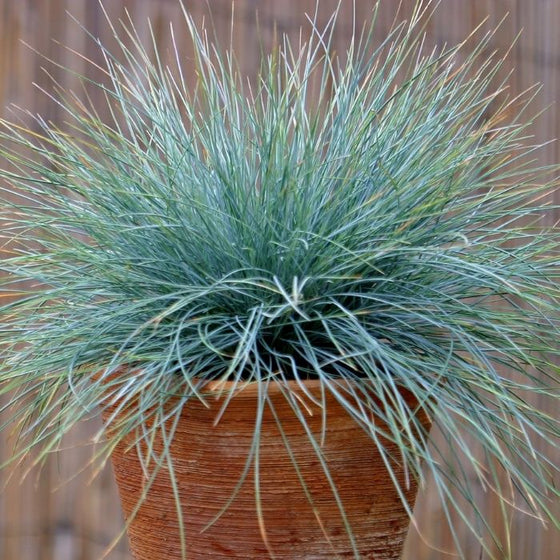
One of the best characteristics of Elijah Blue Fescue is its small, tidy, mounding growth habit. The narrow leaves emerge from a central crown and spread outward to form a rounded, cushion-like clump that typically reaches approximately 8 to 12 inches tall and 12 to 18 inches wide. This compact shape makes it particularly useful along walkways, patios, rock garden edges, and the front of sunny perennial borders. Unlike taller ornamental grasses that can flop over neighboring plants, Elijah Blue remains relatively low and maintains its distinctive shape when planted in well-drained soil with adequate sunlight. Its bright silver-blue foliage creates a clean line along landscape edges, while the fine leaf texture softens the transition between hardscape materials and garden beds.
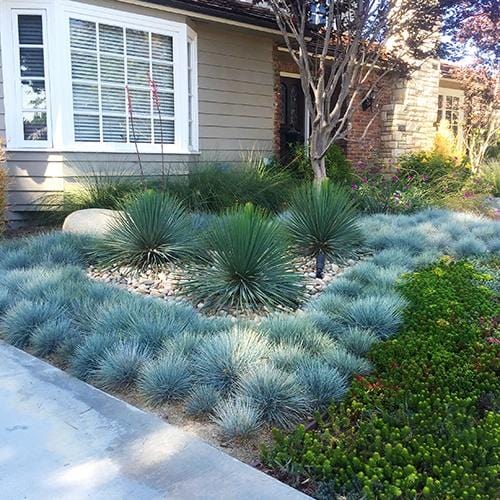
For an attractive continuous edging effect, plant Elijah Blue Fescue approximately 12 to 18 inches on-center, allowing each plant enough room to develop its natural rounded form. Placing several plants in a row creates a repeating pattern of blue mounds that can be especially striking against dark mulch or gravel. In larger landscapes, groups of three, five, or more plants provide a beautiful alternative to planting a single ornamental grass by itself. I particularly like using Elijah Blue along stone walkways, where its cool foliage color contrasts with the warm tones of natural paving materials. Because the grass is naturally compact, it generally requires little shaping to maintain an attractive appearance. With proper spacing and seasonal grooming, Elijah Blue provides a neat, colorful border that complements both contemporary and traditional garden designs.
Icy Blue Foliage and Delicate Summer Flowers Provide Seasonal Garden Interest
The foliage of Elijah Blue Fescue is its strongest ornamental feature. During spring, fresh leaves emerge in beautiful icy silver-blue tones that are noticeably brighter than the green foliage of many traditional ornamental grasses. The narrow leaves are slightly rolled, producing a delicate, almost needle-like texture that gives each plant its distinctive rounded appearance. As summer progresses, the foliage can retain attractive silver-blue coloring, particularly in cooler climates where the plant receives abundant sunshine and adequate drainage. Its blue coloration tends to be most intense during spring and early summer, although environmental conditions influence how well the color persists. When planted alongside plants with dark green or burgundy foliage, Elijah Blue provides a striking contrast that remains attractive even when neighboring plants are not flowering.
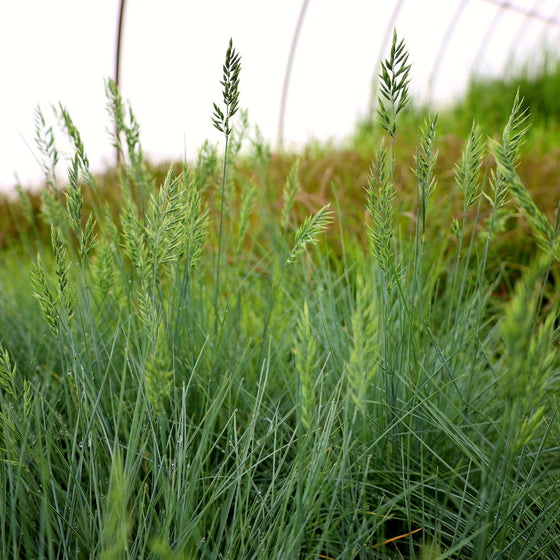
In late spring to early summer, Elijah Blue Fescue produces slender blue-green flower stems that rise above the rounded foliage. These narrow flower panicles may develop subtle greenish or purplish tones before gradually maturing into golden-tan or wheat-colored seed heads. Although the flowers are not particularly showy, they introduce additional height and movement, creating a soft, natural appearance. Some gardeners prefer to leave the flowers standing through summer, while others remove the stems to maintain a more uniform blue mound. During fall and winter, Elijah Blue is semi-evergreen in many climates, retaining some blue-gray foliage while potentially developing tan or brown leaves during colder weather. Its seasonal appearance varies with winter exposure, local climate, and soil drainage. For gardeners who appreciate fine texture and cool foliage color rather than large seasonal flowers, Elijah Blue is a particularly useful ornamental grass.
An Excellent Choice for Rock Gardens, Gravel Beds, and Decorative Containers
Elijah Blue Fescue is especially well suited to landscapes where good drainage and compact ornamental plants are important design considerations. Its small size and striking silver-blue foliage make it a natural choice for rock gardens, gravel beds, and sunny slopes. The cool leaf color contrasts beautifully with warm stone, decorative gravel, and flowering perennials, creating an attractive balance of textures. Because Elijah Blue tolerates relatively dry soil once established, it is useful in planting areas where constantly moist conditions would be undesirable. It can also thrive in leaner garden soils, provided water drains freely from the root zone. For homeowners creating a Mediterranean-inspired garden, modern gravel landscape, or low-growing rock garden border, Elijah Blue offers beautiful color without requiring a large planting space.
This ornamental grass also works particularly well in patio containers, decorative planters, trough gardens, and mixed seasonal arrangements. Its compact rounded habit provides structure without overwhelming neighboring plants, while the silver-blue foliage complements both colorful flowers and trailing groundcovers. Choose a container with drainage holes and use a potting mix that allows excess water to escape. Container-grown plants generally need more frequent watering than established plants in the ground, so monitor soil moisture carefully during hot weather. Elijah Blue looks especially attractive alongside low-growing Sedums, creeping Thyme, and colorful perennial flowers that prefer sunny, well-drained conditions. In colder climates, containers may need additional winter protection because the exposed root system experiences greater temperature fluctuations than plants growing directly in the garden. With the right soil and placement, Elijah Blue brings beautiful year-round texture and a polished appearance to small outdoor spaces.
Drought Tolerance and Simple Maintenance Make Elijah Blue Fescue Easy to Enjoy
Elijah Blue Fescue is a cool-season ornamental grass that performs best in full sun and well-drained soil. It is particularly attractive in regions with relatively cool summers, where its blue foliage maintains excellent color and the compact clumps remain healthy. Once established, Elijah Blue develops good tolerance for occasional drought and relatively poor soil, making it useful in rock gardens and lower-water planting designs. During the first growing season, however, consistent watering is important to encourage healthy root development. Avoid planting in heavy soil that remains saturated after rainfall, since prolonged moisture can contribute to crown and root problems. Adequate sunlight is also important, as excessive shade can reduce the intensity of its blue foliage and make the clumps less compact.
One important thing homeowners should understand is that Elijah Blue Fescue can struggle during prolonged hot, humid summers. In warmer climates, established clumps sometimes develop brown centers or lose vigor after several growing seasons. This is a natural limitation of many blue fescue varieties rather than necessarily a sign of improper care. To maintain attractive plants, remove dead foliage in early spring and divide older clumps approximately every two to three years when the center becomes sparse or unattractive. Division encourages fresh growth and helps rejuvenate aging plants. Avoid heavy fertilization, which can encourage soft foliage and reduce the plant's naturally compact appearance. When planted in suitable conditions and maintained with occasional division, Elijah Blue provides beautiful silver-blue color with relatively little routine maintenance.
Create Beautiful Color Combinations With Elijah Blue Fescue and Sun-Loving Perennials
Elijah Blue Fescue is a wonderful plant for creating dramatic color combinations because its cool silver-blue foliage contrasts beautifully with warm-colored flowers and darker landscape plants. I particularly like pairing it with Yellow Coreopsis, Purple Coneflowers, creeping Sedum, and Walker's Low Catmint in sunny, well-drained garden beds. Golden-yellow flowers appear especially bright against the blue foliage, while purple and pink flowers create a softer combination. Low-growing Sedums provide contrasting leaf shapes and a natural transition between the fescue clumps and the surrounding soil. Elijah Blue can also be planted near dark green evergreen shrubs, where its rounded silver-blue shape stands out without competing with the shrubs' larger size.
For a more modern landscape design, use Elijah Blue Fescue in repeated drifts along gravel walkways, around decorative boulders, or in geometric planting patterns. The consistent rounded shape adds structure, while the fine foliage prevents the landscape from appearing overly rigid. In cottage-style gardens, combine it with compact flowering perennials and low groundcovers that appreciate similar sunlight and drainage. When planning these combinations, avoid placing Elijah Blue next to plants that require frequent irrigation or consistently wet soil. Its best companions are those that prefer full sun, good drainage, and moderate to low water once established. Whether planted individually or in groups, Elijah Blue brings an attractive combination of cool color, fine texture, and manageable growth that can make an ordinary garden bed feel more thoughtfully designed.
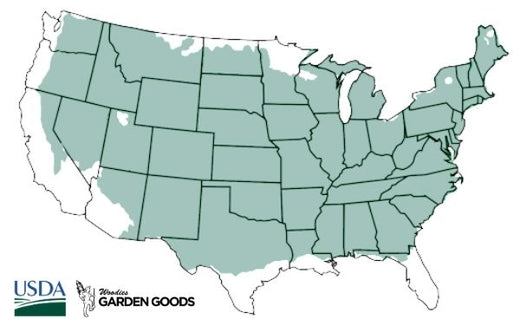
| Hardiness Zone: | 4-8 |
|---|---|
| Mature Height: | Foliage approximately 8–12 inches; flowering stems commonly reach 12–18 inches |
| Mature Width: | Approximately 12–18 inches |
| Sunlight: | Full sun preferred; tolerates limited partial shade, especially during hot afternoons |
| Bloom Time / Color | Late spring to early summer, generally May–July depending on climate / Initially blue-green to greenish-purple, maturing to golden tan or wheat-colored |
| Soil Condition: | Well-drained sandy, gravelly, chalky, or loamy soil; prefers low to moderate fertility; tolerates acidic to alkaline conditions |
| Water Requirements: | Moderate during establishment; low to moderate after establishment; avoid prolonged saturation |
| Ornamental Features | Intense icy silver-blue foliage, compact rounded clumps, fine needle-like leaves, slender summer flower panicles, wheat-colored seed heads |
| Resistance (deer/disease/drought/etc.) | Drought once established, poor soil, moderate cold, occasional dry conditions, rabbit browsing in some locations; not tolerant of prolonged wet soil, intense summer humidity, or poorly drained clay |
| Landscape Uses | Sunny borders, edging, rock gardens, gravel gardens, dry gardens, decorative containers, trough gardens, low-growing accent plantings, mass plantings |
How to Care for Elijah Blue Fescue
Be sure to read our planting instructions to ensure a healthy and happy Elijah Blue Fescue for years to come!

How should I plant Elijah Blue Fescue?
Plant Elijah Blue Fescue in a location receiving full sun, ideally at least six hours of direct sunlight daily. Choose a site with well-drained soil that does not remain saturated after heavy rainfall. This ornamental grass grows especially well in rock gardens, gravel beds, sandy soils, and other locations where excess water can drain away from the roots. Although Elijah Blue tolerates relatively poor soil, it does not appreciate heavy, continuously wet clay. In regions with hot summers, a location receiving morning sunlight and some protection from intense late-afternoon heat may help reduce summer stress. The most important considerations are adequate sunlight, suitable drainage, and enough room for the plant's compact rounded shape. Dig a planting hole approximately twice as wide as the root ball and no deeper than its height. Remove the plant carefully from its container and loosen any tightly circling roots. Position the crown at the surrounding soil level, backfill with the original soil, and water thoroughly. Avoid burying the crown or piling mulch directly against the foliage, as excessive moisture around the base can contribute to deterioration. When planting a border, space Elijah Blue Fescue approximately 12–18 inches apart on center, allowing each mound to develop naturally. In rock gardens, consider using decorative gravel around the plants where appropriate, rather than thick organic mulch that may trap moisture against the crowns.

How often should I water Elijah Blue Fescue after planting?
During its first growing season, Elijah Blue Fescue requires regular watering while its root system becomes established. Water thoroughly immediately after planting and continue checking the soil to determine when additional moisture is needed. The root zone should be allowed to begin drying between watering sessions rather than remaining constantly wet. As a general starting point, approximately 1 inch of water per week, including rainfall, may be appropriate in many garden soils, although actual needs vary according to temperature, soil texture, and drainage. Sandy soils may dry more quickly, while heavier soils retain moisture longer. Deep watering is generally more effective than frequent shallow irrigation because it encourages roots to develop into the surrounding soil. Once established, Elijah Blue Fescue becomes relatively drought tolerant and normally requires less supplemental irrigation. Its narrow leaves and preference for well-drained soil make it suitable for many lower-water landscapes. However, prolonged drought and extreme heat can still cause brown leaf tips or reduced foliage quality, particularly in hot southern climates. Water deeply during extended dry periods when the plant shows signs of stress, but avoid keeping the soil continually moist. This grass is especially sensitive to poor drainage and excessive summer moisture, which can contribute to crown decline. Container-grown plants will require more frequent moisture checks because their root systems have access to a smaller volume of soil.

When should I fertilize Elijah Blue Fescue?
Elijah Blue Fescue generally requires very little supplemental fertilizer and often performs best in relatively lean soil. In many landscapes, the plant receives sufficient nutrients from the existing garden soil without additional feeding. If a soil test indicates a nutrient deficiency, apply a modest amount of balanced, slow-release fertilizer in early spring as active growth resumes, following the manufacturer's instructions. Avoid placing concentrated fertilizer directly against the crown. A light application of compost may be appropriate in extremely poor soil, provided it does not interfere with drainage. The goal is to support healthy foliage without encouraging excessively vigorous growth. Heavy fertilizer applications are not recommended because excess nitrogen can promote soft, lush foliage and reduce the plant's naturally compact appearance. In particularly fertile soil, Elijah Blue may produce more green growth and develop a less refined shape. Fertilizer also cannot correct poor drainage, insufficient sunlight, or summer heat stress. If a plant begins developing brown foliage or a declining center, inspect the growing conditions before adding nutrients. In many cases, an aging clump needs division or improved growing conditions rather than fertilizer. For the best long-term appearance, prioritize full sunlight, excellent drainage, and modest soil fertility.

When and how should I prune Elijah Blue Fescue?
Elijah Blue Fescue generally needs light grooming rather than heavy annual pruning. The best time to remove damaged or unattractive foliage is late winter to early spring before vigorous new growth begins. Because this ornamental grass is semi-evergreen, some leaves may remain attractive throughout winter, particularly in milder climates. Instead of cutting the entire plant to the ground, gently comb through the clump with gloved hands or a small garden rake to remove dead foliage. Brown or damaged leaves can also be selectively trimmed with clean pruning shears. Preserving healthy blue foliage allows the plant to maintain its ornamental appearance while new growth develops. After the slender flower stems mature in summer, remove them if you prefer a cleaner, more compact mound of blue foliage. Gardeners who enjoy the natural appearance of wheat-colored seed heads may leave the stems standing until they become unattractive. As Elijah Blue Fescue ages, the center of the clump may become brown, open, or less vigorous. When this occurs, usually after several years, divide the plant in spring into smaller sections containing healthy foliage and roots. Discard the deteriorated center and replant the vigorous outer portions. Division approximately every two to three years, when needed, helps maintain dense, attractive growth, especially in climates where older clumps tend to decline.