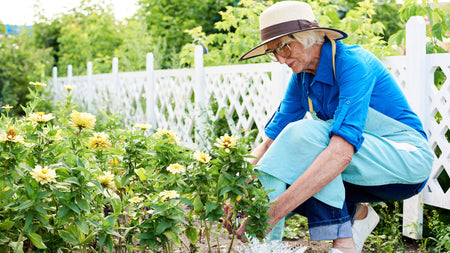
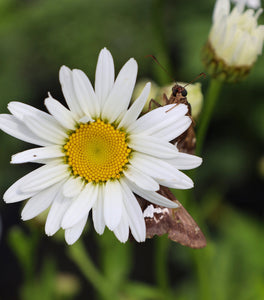
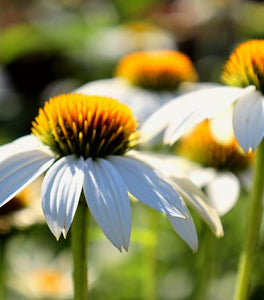
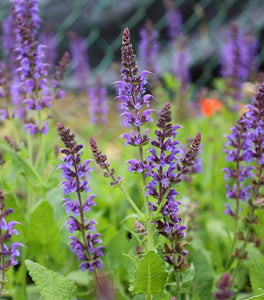
Images Depict Mature Plants
Snowcap Shasta Daisy
Leucanthemum x superbum 'Snowcap'
Snowcap Shasta Daisy is a great choice for gardeners who love the classic white daisy but don't want a plant that grows three feet tall and takes over the front of the flower bed. I particularly like its compact habit and the way those bright white flowers seem to light up a garden when planted in groups. It's an excellent companion for Catmint, Salvia, and Coneflowers, and the flowers are nice for cutting too. My advice is to give it plenty of sunlight and, most importantly, good drainage. Deadhead the spent flowers during summer, divide older clumps when necessary, and you'll get the kind of cheerful, traditional daisy display that never goes out of style.

15% Off Sitewide Sale!
Use Code 'SEASON15' At Checkout
📦 Free shipping on orders over $99.
Delay shipping by leaving us a message at Checkout.
Share:



A Compact Shasta Daisy with Classic White Summer Flowers
Classic White Daisy Flowers on a Compact Perennial
Snowcap Shasta Daisy brings the timeless beauty of white daisies to gardens where space is limited or a shorter-flowering perennial is preferred. Botanically known as Leucanthemum × superbum ‘Snowcap’, this dwarf Shasta Daisy produces an abundance of bright white flowers surrounding cheerful golden-yellow centers. The classic daisy appearance makes it a natural choice for sunny perennial borders, cottage gardens, foundation beds, and summer flower displays.
Unlike taller Shasta Daisy varieties that can become too large for the front of a garden bed, Snowcap maintains a compact, uniform growth habit. Its sturdy flowering stems rise just above a mound of attractive green foliage, creating a neat display that blends beautifully with other flowering perennials. For homeowners looking for a smaller white flowering plant with plenty of summer color, Snowcap Shasta Daisy is an excellent choice.
Abundant Summer Flowers That Keep the Garden Colorful
One of the greatest attractions of Snowcap Shasta Daisy is its generous summer display of flowers. The plant produces numerous white, single-form daisy flowers with bright yellow centers, creating a cheerful combination that complements nearly every other flower color in the garden. Depending on the region and growing conditions, flowering can begin in late spring or early summer and continue through much of summer, with additional blooms encouraged by regular deadheading.
The flowers typically measure 2 to 3 inches across, making them especially showy given the plant's compact size. Removing spent flowers encourages the plant to direct energy toward producing additional blooms rather than developing seed. Plant several Snowcap Shasta Daisies together for a beautiful sweep of white flowers, or combine them with colorful summer perennials for a lively, long-lasting display.
A Dwarf Shasta Daisy Perfect for Borders and Smaller Gardens
Snowcap Shasta Daisy typically grows approximately 12 to 18 inches tall and 10 to 14 inches wide, making it one of the more manageable Shasta Daisy selections for residential landscapes. Its compact growth habit allows it to fit comfortably along walkways, at the front of mixed perennial beds, or near patios where larger ornamental plants might overwhelm the available space.
The naturally shorter stems also help Snowcap maintain an attractive appearance during summer rain and wind. Unlike taller Shasta Daisy varieties that may occasionally require staking, Snowcap's sturdy, compact habit generally allows it to remain upright without additional support. Plant it in repeating groups along a sunny border, use it to soften the edge of a foundation planting, or combine it with lower-growing perennials to create a layered garden filled with summer flowers.
Beautiful with Coneflowers, Salvia, and Other Summer Perennials
Few perennials are as easy to combine with other flower colors as Snowcap Shasta Daisy. Its crisp white petals and golden centers complement purple Salvia, blue Catmint, pink Coneflowers, lavender Russian Sage, and colorful Coreopsis. The bright white flowers provide visual contrast while helping tie different plants together in a cohesive garden design.
Snowcap is also a valuable addition to butterfly gardens and pollinator-friendly landscapes. Its open flower centers are accessible to butterflies and other beneficial insects, adding wildlife value alongside its ornamental appeal. The flowers can be cut for fresh arrangements, bringing the simple beauty of summer daisies indoors. For cottage gardens, cutting gardens, and sunny perennial borders, Snowcap provides dependable color without taking up as much space as a much taller perennial.
Easy-Care White Flowers for Full Sun Gardens
Snowcap Shasta Daisy performs best in full sun, where it develops sturdy growth and produces its most abundant flower display. Plant it in average, well-drained garden soil and provide consistent moisture while its roots become established. Once established, it tolerates occasional dry conditions, although supplemental watering during extended drought helps maintain healthy foliage and flower production.
Proper drainage is especially important during winter, since Shasta Daisies can decline when their crowns remain in cold, saturated soil. Deadhead regularly throughout summer, and divide older clumps every few years if flowering diminishes or the center becomes weak. Snowcap is generally considered deer resistant and requires relatively little maintenance when planted in the right location. With full sun, good drainage, and occasional attention, this compact perennial brings classic white daisy flowers to the garden year after year.
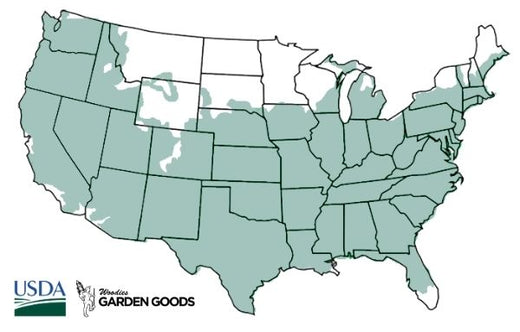
| Hardiness Zone: | 5-9 |
|---|---|
| Mature Height: | 12 to 18 inches tall |
| Mature Width: | 10 to 14 inches wide |
| Sunlight: | Full sun preferred; tolerates light afternoon shade in hot climates |
| Soil | Average, fertile to moderately fertile, well-drained soil |
| Water | Regular watering during establishment; moderate moisture once established |
| Bloom Time / Color | Early to late summer, depending on climate; white flowers with golden-yellow centers |
| Ornamental Features | Abundant white flowers; bright yellow centers; compact growth; uniform flowering habit |
| Wildlife Value | Attracts butterflies, bees, and other flower-visiting insects |
| Deer Resistance | Generally considered deer resistant |
| Landscape Uses | Sunny borders; flower bed edging; butterfly gardens; cottage gardens; cutting gardens; foundation plantings; mass plantings |
How to Care for Snowcap Shasta Daisy
Before you purchase your Snowcap Shasta Daisy, be sure to read the recommended care instructions to ensure your plant grows happy and healthy for years to come.

How should I plant Snowcap Shasta Daisy?
Plant Snowcap Shasta Daisy in full sun, choosing a location that receives at least six hours of direct sunlight each day. Select a garden bed with well-drained soil, since the plant performs poorly in locations where water remains around the roots, particularly during winter. Prepare a planting hole approximately twice as wide as the root ball and just as deep, then position the plant so the crown remains level with the surrounding soil. Backfill gently, water thoroughly, and apply a light layer of mulch around the root zone without covering the crown. Space Snowcap plants approximately 12 to 15 inches apart to allow each compact clump to develop naturally. For an attractive summer border, plant several together in a repeating pattern or combine them with Catmint, Salvia, Coneflowers, and other sun-loving perennials. Good spacing improves air circulation and helps the foliage dry after rainfall, reducing the likelihood of fungal problems.

How often should I water Snowcap Shasta Daisy after planting?
Water Snowcap Shasta Daisy thoroughly immediately after planting, then keep the soil evenly moist during establishment. Check the soil regularly and water deeply when the upper few inches begin to dry. Newly planted perennials may require additional watering during hot weather, especially when grown in sandy soil or exposed sunny locations. Avoid frequent shallow watering, which encourages roots to remain close to the surface. Once established, Snowcap Shasta Daisy tolerates occasional dry periods and typically requires moderate watering. Supplemental moisture during prolonged drought can help maintain healthy foliage and consistent flowering. Be especially careful to avoid saturated soil during winter, since excessive moisture around the crown can shorten the plant's lifespan.

When should I fertilize Snowcap Shasta Daisy?
Snowcap Shasta Daisy generally requires only modest fertilization in average garden soil. A light application of compost or a balanced slow-release perennial fertilizer in early spring can support healthy foliage and flower development. If the soil is already fertile and the plant grows vigorously, additional feeding may not be necessary. Avoid applying excessive nitrogen, which can encourage leafy growth at the expense of flowers and may result in weaker stems for flowering. Proper sunlight, good drainage, and consistent moisture during establishment are more important than frequent fertilizer applications. If plants appear weak or flower poorly, consider a soil test before increasing fertilizer.

When and how should I prune Snowcap Shasta Daisy?
Deadhead Snowcap Shasta Daisy regularly throughout the flowering season by removing spent blooms just above healthy leaves or developing side shoots. This helps maintain a tidy appearance and encourages additional flowering. After the primary bloom display, stems can be shortened if the plant looks tired or begins developing weak growth. Removing old flower stems also helps direct energy back into the crown. In late fall or early spring, remove dead stems and foliage to make room for new growth. If the clump becomes crowded or develops a weak center, divide it in spring or early fall when conditions allow. Shasta Daisies can be relatively short-lived perennials, and dividing established plants every two to three years helps preserve vigor and maintain an attractive flowering habit.