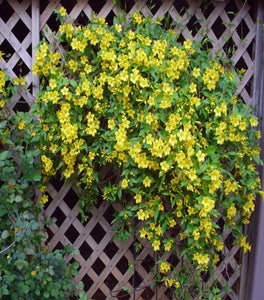
Images Depict Mature Plants
Sweet Autumn Clematis
Clematis paniculata
Sweet Autumn Clematis is a beautiful vine when it is used in the right place and managed with intention. The fall flowers are fragrant, bright, and absolutely eye-catching on a fence or arbor, but this is not a timid little clematis. Give it serious support, prune it hard each year, and deadhead it if reseeding is a concern. I would keep it away from woodland edges or natural areas and use it where its vigor can be controlled, and appreciated.

15% OFF SITEWIDE, USE CODE 'FALLPLANT15'
📦 Free shipping on orders over $99.
Delay shipping by leaving us a message at Checkout.
Share:Recommended Add-Ons


Fragrant White Flowers for Late-Season Vine Coverage
A Fragrant Fall-Blooming Clematis Vine.
Sweet Autumn Clematis is a vigorous flowering vine grown for its clouds of small white, star-shaped blooms and sweet fragrance in late summer to fall. As many garden flowers begin to slow, this clematis creates a bright, airy display that can cover fences, trellises, arbors, pergolas, and large garden structures. Its late-season flowers bring a soft, romantic look to cottage gardens and mixed borders.
Fast Coverage for Large Supports.
This is a strong-growing vine that needs a sturdy structure and enough room to climb. Use Sweet Autumn Clematis where fast vertical coverage is desired, such as along a fence, over an arbor, or on a large trellis. It can also soften sheds, garden gates, pergolas, and utility areas when trained properly. Because it grows vigorously, it is best suited to larger spaces rather than small, delicate supports.
Pollinator Appeal and Seasonal Movement.
The fragrant white flowers may attract bees, butterflies, and other beneficial pollinators during the late season. After flowering, the plant can form fluffy seed heads that add texture, but those seeds can also contribute to unwanted spread. For managed landscapes, deadheading after bloom is recommended to help reduce reseeding.
Best in Sun to Part Shade with Cool Roots.
Sweet Autumn Clematis grows best in full sun to part shade with fertile, well-drained soil. Like many clematis vines, it appreciates sunlight on the top growth and cooler, shaded roots. Mulch the root zone or plant lower-growing perennials nearby to help keep the soil cool and evenly moist. Water regularly while the vine establishes, especially during hot or dry weather.
A Beautiful Vine That Needs Responsible Management.
Sweet Autumn Clematis is vigorous, fast-growing, and easy to grow, but it should be managed carefully. It is considered invasive or potentially invasive in some regions, especially parts of the eastern United States. Prune hard in late winter or early spring because it blooms on new growth, and remove spent flowers before seed dispersal where reseeding is a concern. Check local recommendations before planting near natural areas, woodland edges, or unmanaged spaces.
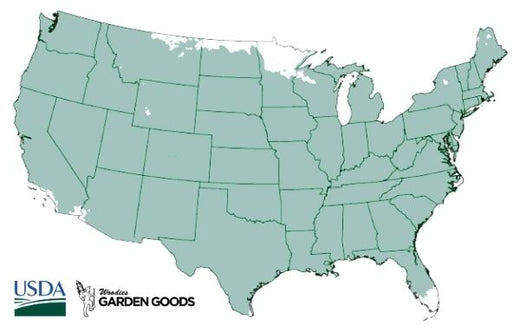
| Hardiness Zone: | 4-9 |
|---|---|
| Mature Height: | 10 to 25 Feet |
| Mature Width: | 10 to 15 Feet |
| Sunlight: | Full sun to partial shade |
| Soil | Fertile, medium-moisture, well-drained soil |
| Water Requirements: | Average; water regularly during establishment and dry periods |
| Bloom Time / Color | Late summer to fall; masses of small fragrant white flowers |
| Foliage | Green compound leaves on twining vine stems |
| Ornamental Features | Fragrant white flowers, fast vine coverage, fall bloom, fluffy seed heads |
| Wildlife Value | Fragrant white flowers, fast vine coverage, fall bloom, fluffy seed heads |
| Resistance (deer/disease/drought/etc.) | Generally deer resistant |
| Landscape Uses | Arbors, trellises, fences, pergolas, large garden structures, cottage gardens, pollinator gardens, screening, vertical accents |
How to Care for Sweet Autumn Clematis
Before you buy a Sweet Autumn Clematis, make sure to read about the care instructions that are recommended to keep your Madison Star Jasmine healthy and thriving.

How should I plant Sweet Autumn Clematis?
Plant Sweet Autumn Clematis in full sun to part shade with fertile, well-drained soil and a strong support nearby. This vine can grow quickly, so choose a large trellis, fence, arbor, pergola, or other sturdy structure that can handle mature growth. Avoid planting it where it can climb into trees, natural areas, or unmanaged spaces. Dig a hole about twice as wide as the root ball and set the plant slightly deeper than it grew in the container to help protect the crown. Backfill with soil, water thoroughly, and mulch the root zone to keep it cool and evenly moist. Keep mulch slightly pulled away from the stems to avoid crown problems.

How often should I water Sweet Autumn Clematis after planting?
Water Sweet Autumn Clematis deeply after planting and keep the soil evenly moist during the first growing season. Water when the top few inches of soil begin to dry, especially during hot, dry, or windy weather. Once established, Sweet Autumn Clematis has average water needs, but it performs best with consistent moisture. Avoid constantly soggy soil, but do not allow the root zone to dry out severely during summer heat or while flower buds are forming.

When should I fertilize Sweet Autumn Clematis?
Fertilize Sweet Autumn Clematis in spring as new growth begins. Use compost or a balanced slow-release fertilizer, or choose a lower-nitrogen flowering plant fertilizer if the vine produces lots of leaves but fewer flowers. Avoid heavy late-season fertilizing. Too much nitrogen can encourage excessive leafy growth, and this vine already grows vigorously. Good sunlight, steady moisture, and annual pruning are more important than aggressive feeding.

When and how should I prune Sweet Autumn Clematis?
Prune Sweet Autumn Clematis in late winter or early spring before new growth begins. It blooms on new growth, so it can be cut back hard to about 12 to 24 inches from the ground each year to control size and encourage fresh flowering stems. After flowering, remove spent blooms before seed heads mature to reduce self-seeding. This is especially important in regions where Sweet Autumn Clematis is considered invasive or has a history of spreading into natural areas.