


Images Depict Mature Plants
Black Mondo Grass
Ophiopogon planiscapus 'Nigrescens'
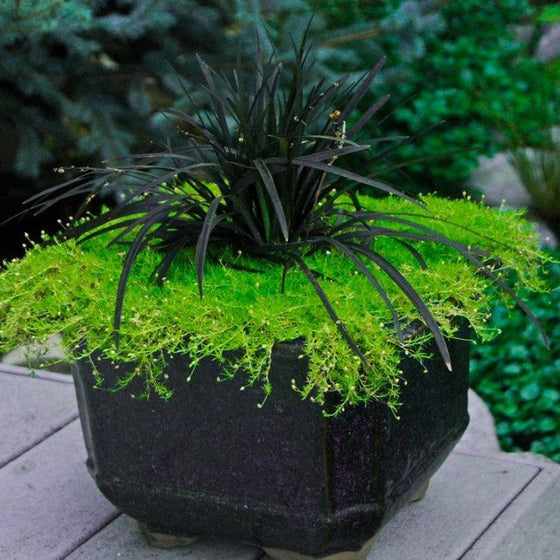
If you're looking for a plant that makes everything around it look brighter, Black Mondo Grass is one I'd put near the top of the list. That almost black foliage is unusual, especially on a little grass-like perennial that stays close to the ground. I particularly like using Black Mondo Grass alongside golden Hostas, chartreuse Coral Bells, silver foliage plants, or light-colored stone, where the contrast really brings the planting to life. It's also a great choice for decorative containers and along stepping stones because you can appreciate the leaf color up close. One thing I always explain to homeowners is that Black Mondo Grass grows slowly, so don't expect a few small plants to cover an entire garden bed in one season. If you want a continuous dark border, plant the clumps relatively close together and give them time to fill in. I also recommend partial shade and consistently moist, well-drained soil, especially in areas with hot summers. Its small summer flowers and glossy dark berries are nice little bonuses, but the foliage is what makes this plant special. For an evergreen accent that provides dramatic color without getting large or requiring constant trimming, Black Mondo Grass is a plant I'd definitely consider.
$33.96 with code NOVEMBER15 at checkout Save $5.99
📦 Free shipping on orders over $99.
Delay shipping by leaving us a message at Checkout.
Share:Recommended Add-Ons



Black Mondo Grass – Dramatic Jet-Black Foliage for Beautiful Garden Contrast
Black Mondo Grass Brings Dramatic Nearly Black Color to the Landscape
Black Mondo Grass is one of the most distinctive foliage plants you can use to make a garden look a little different. Its narrow, arching leaves develop deep purple-black coloring that often appears nearly jet-black, creating a striking contrast against traditional green landscape plants. Unlike ornamental grasses grown for large flower plumes or towering foliage, Black Mondo Grass stays close to the ground and delivers its greatest impact through color. The dark leaves form compact, gracefully arching clumps that provide interesting texture in garden beds, borders, and containers. When planted alongside golden foliage, silver-leaved perennials, or pale flowers, the nearly black foliage makes the surrounding plants appear even brighter. It's an unusual combination that can transform a fairly ordinary planting into something much more visually interesting.
What makes Black Mondo Grass particularly valuable in landscape design is the ornamental impact it creates without requiring much space. Its compact size makes it suitable for the front of perennial beds, along walkways, and beneath larger shrubs where its dark foliage can remain visible. Unlike many flowering plants, it doesn't depend on a short blooming season to provide color. The purple-black leaves remain its defining feature throughout much of the year, creating long-lasting contrast and a refined evergreen appearance. For homeowners seeking an ornamental groundcover that offers a dramatic alternative to ordinary green foliage, Black Mondo Grass is an excellent choice.
Deep Purple-Black Evergreen Foliage Creates Outstanding Four-Season Contrast
The foliage of Black Mondo Grass is what makes this plant so extraordinary. Each narrow, strap-shaped leaf develops rich purple-black to nearly jet-black coloring, creating an appearance that is unusual among low-growing perennials. The leaves arch outward from the central clump, producing a soft, flowing texture that contrasts beautifully with broadleaf shrubs and flowering plants. During spring, fresh growth may emerge with somewhat lighter purple or greenish tones before deepening as the foliage matures. Under favorable conditions, especially where the plant receives sufficient light, the dark coloration becomes particularly intense. This makes Black Mondo Grass ideal for planting against light-colored stone, decorative gravel, golden groundcovers, and other materials that highlight its unusual leaf color.
Because Black Mondo Grass is evergreen in suitable climates, it can maintain an attractive dark appearance through fall and winter rather than disappearing after the first frost. In colder regions, some foliage may turn bronzed or brown and be damaged by severe winter conditions, but established plants typically produce healthy new growth when temperatures warm. Its seasonal appearance depends on local climate, sunlight, moisture, and winter exposure. One thing I particularly appreciate about this plant is that its color remains useful even when neighboring perennials aren't flowering. The foliage can provide a dark, elegant foundation for spring bulbs, summer flowers, and colorful autumn plantings, making it valuable in landscapes designed for visual interest throughout the seasons.
Compact Arching Growth Makes Black Mondo Grass Perfect for Borders and Edging
Black Mondo Grass develops low, tufted clumps of narrow, arching leaves, usually reaching approximately 6 to 8 inches tall, with mature plants sometimes approaching 12 inches under favorable conditions. The clumps commonly spread about 8 to 12 inches wide, making them particularly useful for smaller planting spaces where taller ornamental grasses would become overwhelming. Its naturally controlled growth creates an attractive edging plant for walkways, patio borders, raised garden beds, and landscape transitions. Rather than requiring frequent shaping, Black Mondo Grass maintains a tidy, softly rounded appearance that complements both formal and naturalistic designs. Its distinctive black foliage adds visual definition without creating an imposing border.
For a continuous dark edging effect, plant Black Mondo Grass approximately 6 to 10 inches on-center, using closer spacing when faster coverage is desired. The plant spreads slowly through underground stems and gradually forms additional clumps, but it should not be expected to quickly fill a large area. In larger gardens, groups of three, five, or more plants create a more noticeable color effect than a single specimen surrounded by dark mulch. Black Mondo Grass is particularly attractive when planted along light-colored stepping stones, pale gravel paths, and decorative garden borders. Its relatively small dimensions also allow it to be used beneath shrubs and alongside low-growing perennials. With thoughtful spacing and patience, it can gradually create an elegant ribbon of nearly black foliage.
Delicate Summer Flowers and Glossy Dark Berries Add Seasonal Interest
Although Black Mondo Grass is primarily valued for its dramatic foliage, it also produces small, bell-shaped flowers during summer. The flowers generally appear in shades of pale pink, lilac, lavender, or creamy white and develop on short stems rising among the dark leaves. Their delicate coloring provides a soft contrast against the purple-black foliage, making them especially interesting when viewed up close. Flowering commonly occurs during July and August, although timing varies with climate and growing conditions. Unlike the prominent flower spikes of many Liriope varieties, Black Mondo Grass produces relatively understated blossoms. The flowers are an attractive secondary feature rather than the main reason homeowners purchase the plant.
Following successful flowering, Black Mondo Grass may produce small, rounded, glossy dark purple to black berries that mature during autumn. These berries add another interesting seasonal detail and complement the plant's dark foliage. Fruit production can vary with growing conditions, and not every plant will produce a substantial display each year. The dark berries should be treated as ornamental rather than edible, particularly in gardens frequented by children or pets. Because the plant's flowers and berries remain relatively small, their greatest appeal comes from adding delicate detail to an already striking foliage plant. For gardeners who enjoy discovering subtle seasonal changes, Black Mondo Grass provides considerably more character than its compact size might suggest.
Black Mondo Grass Brightens Garden Combinations Through Bold Color Contrast
One of the best ways to use Black Mondo Grass is to combine it with plants that have golden, silver, chartreuse, or brightly colored foliage. Its almost black leaves create a dramatic background that makes neighboring plants stand out. I particularly like the combination of Black Mondo Grass with Golden Japanese Forest Grass, golden Hostas, silver Japanese Painted Ferns, and brightly colored Coral Bells, provided the plants share suitable moisture and sunlight requirements. Pale pink, lavender, and white flowers also look especially attractive against the dark foliage. For a more contemporary effect, use Black Mondo Grass alongside light-colored decorative stone or gravel, where its leaves create a strong architectural contrast.
Black Mondo Grass is equally effective in Japanese-inspired gardens, shaded courtyards, rock gardens, and decorative containers. In container arrangements, its narrow leaves can provide an interesting dark accent beneath taller foliage plants or flowering perennials. The plant works especially well near the front or edge of a container where its color remains visible. Because its growth is slow, Black Mondo Grass can also be used as a small specimen in carefully composed arrangements that emphasize texture and contrast. Choose companions with compatible soil moisture requirements rather than combining it with plants that demand extremely dry conditions. The key to achieving the best ornamental effect is placing Black Mondo Grass where its dark leaves will clearly contrast with neighboring plants and landscape materials.
Slow-Spreading Evergreen Growth Offers Low-Maintenance Groundcover Appeal
Black Mondo Grass is an attractive option for homeowners who want a low-growing evergreen groundcover that spreads gradually and remains relatively easy to maintain. It performs best in fertile, organically enriched soil that stays evenly moist yet drains well. Partial shade is particularly suitable, especially in warmer growing regions, although plants can tolerate more direct sun when moisture is adequate. Established plants show some tolerance for occasional dry periods, but they generally look their best when the soil does not become excessively dry. Its compact growth makes it useful along garden paths, near small shrubs, and in mixed perennial borders. Unlike conventional lawn grass, Black Mondo Grass requires no regular mowing and is not intended for heavily used recreational areas.
One important thing homeowners should understand is that Black Mondo Grass is naturally slow-spreading. When planted as a groundcover, it may take several years for individual clumps to expand and connect, particularly when the initial planting distance is relatively wide. Closer spacing produces a fuller appearance sooner but requires more plants at installation. Once established, the plant generally needs very little routine maintenance beyond appropriate watering, occasional weeding, and removal of unattractive foliage in early spring. Older clumps can be divided when necessary to produce additional plantings. Black Mondo Grass also offers generally good resistance to deer and rabbits, although wildlife browsing can still occur under unusual conditions. For homeowners who appreciate a distinctive foliage plant with manageable growth and relatively simple care, it provides excellent long-term landscape value.
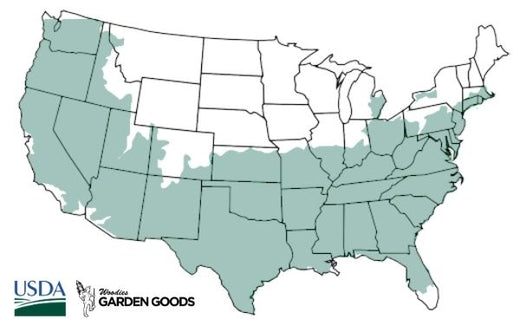
| Hardiness Zone: | 6-9 |
|---|---|
| Mature Height: | Typically 6–8 inches; may reach approximately 12 inches in favorable conditions |
| Mature Width: | Typically 8–12 inches per established clump; spreads farther gradually |
| Sunlight: | Full sun to partial shade; afternoon shade beneficial in hot regions; deep shade may reduce foliage color intensity |
| Soil Condition: | Fertile, organically enriched, moist but well-drained soil; slightly acidic to neutral preferred; adaptable to clay, loam, and sand with suitable drainage |
| Water Require: | Moderate; consistent moisture during establishment, even moisture preferred after establishment |
| Bloom Time / Color | Summer, generally July–August / White to pale pink, lilac, and lavender |
| Ornamental Features | Nearly jet-black to purple-black foliage, compact arching clumps, small pinkish-lilac summer flowers, glossy dark purple berries, evergreen texture |
| Wildlife Value | Occasional flower-visiting insects; ground-dwelling invertebrates may use foliage for shelter |
| Resistance (deer/disease/drought/etc.) | Deer, Rabbits, Moderate Drought Once Established, Some Salt Exposure, Black Walnut; generally few serious pests or diseases; not tolerant of prolonged waterlogging |
| Landscape Uses | Garden edging, shaded borders, small-space groundcover, decorative containers, rock gardens, courtyard gardens, Japanese-inspired landscapes, pathway borders, contrast plantings |
How to Care for Black Mondo Grass
Before you buy Black Mondo Grass, make sure to read about the care instructions to keep this plant healthy and thriving.

How should I plant Black Mondo Grass?
Plant Black Mondo Grass in partial shade or filtered sunlight with fertile, moist, well-drained soil. It can tolerate full sun in cooler climates when adequate moisture is available, while afternoon shade is beneficial in regions with hot summers. Choose a location where the dark foliage will contrast with lighter plants, stone, or decorative landscape materials. Before planting, remove competing weeds and loosen the surrounding soil, incorporating compost or other organic matter when needed to improve soil structure. Avoid areas where water remains standing for prolonged periods. Although Black Mondo Grass adapts to several soil types, it generally performs best when the roots receive consistent moisture without becoming waterlogged. Dig a planting hole approximately twice as wide as the root ball and no deeper than its height. Carefully remove the plant from its nursery container and gently loosen any tightly circling roots. Position the crown at the surrounding soil level, backfill with the original soil, and water thoroughly. For a low border or groundcover planting, space Black Mondo Grass approximately 6–10 inches apart on center, depending on how quickly you want the clumps to fill the available area. Apply a light layer of organic mulch between plants to help conserve moisture, keeping it away from the crowns. Because Black Mondo Grass spreads slowly, closer initial spacing is especially helpful when creating continuous edging or groundcover.

How often should I water Black Mondo Grass after planting?
During the first growing season, Black Mondo Grass requires regular watering while the roots establish. After planting, water thoroughly and continue monitoring soil moisture, especially during warm or dry weather. The soil should remain reasonably moist but not constantly saturated. As a general starting point, approximately 1 inch of water per week, including rainfall, may be suitable in many garden conditions, although actual requirements depend on temperature, rainfall, drainage, and soil texture. Sandy soil may dry more quickly than clay or loam, making additional watering necessary. Water deeply around the root zone rather than applying frequent, shallow irrigation. Once established, Black Mondo Grass can tolerate occasional dry periods, but it generally maintains more attractive foliage when moisture remains consistent. Extended drought may cause brown leaf tips, reduced growth, or loss of ornamental quality, especially in sunny locations. Container-grown plants also need more frequent moisture checks because their limited soil volume dries quickly during summer. A light layer of organic mulch helps conserve moisture and regulate soil temperatures. Avoid keeping containers submerged in standing water or placing plants in beds that remain poorly drained. Consistently moist, well-drained soil is the most dependable foundation for healthy Black Mondo Grass growth.

When should I fertilize Black Mondo Grass?
Black Mondo Grass generally requires very little supplemental fertilizer when growing in fertile garden soil. In most residential landscapes, a light topdressing of finished compost in early spring can help maintain soil quality and support healthy foliage development. If a soil test indicates that additional nutrients are necessary, apply a mild, balanced, slow-release fertilizer in spring as new growth begins, following the manufacturer's instructions. Black Mondo Grass naturally grows slowly, so homeowners should not interpret modest annual expansion as a sign that the plant requires more fertilizer. Its normal growth habit is gradual, particularly during the establishment period. Avoid excessive nitrogen fertilization because heavy feeding does not necessarily accelerate healthy groundcover development and may encourage unnecessary soft growth. Fertilizer also cannot correct conditions caused by poor drainage, severe shade, or inadequate water. If the foliage develops brown tips, loses vigor, or becomes unattractive, inspect the soil moisture and growing conditions before applying nutrients. Established plants growing successfully in organic-rich soil may require no additional feeding beyond normal soil maintenance. For the best results, prioritize appropriate sunlight, even soil moisture, good drainage, and patience during establishment.

When and how should I prune Black Mondo Grass?
Black Mondo Grass is a low-growing evergreen perennial that normally requires very little pruning. Its leaves grow naturally into arching clumps, and the plant does not need regular mowing or formal shaping. The best time to remove damaged foliage is late winter or early spring before fresh growth becomes vigorous. In mild climates, the dark leaves may remain attractive throughout winter and can be left in place. In colder climates, some foliage may become bronzed, brown, or flattened by winter weather. Removing these damaged leaves allows the emerging growth to restore the plant's attractive appearance. Use clean scissors or hand pruners to remove unattractive leaves without cutting into the crown or damaging healthy new shoots. For larger established plantings, gently separate the clumps while removing accumulated debris. Avoid cutting all the foliage to the ground unless significant winter damage makes renovation necessary. As plants mature, their underground spreading structures gradually produce additional clumps. If the planting becomes crowded, divide healthy sections in spring and replant them in appropriately prepared soil. Occasional foliage cleanup and division are generally the only pruning-related maintenance Black Mondo Grass requires.