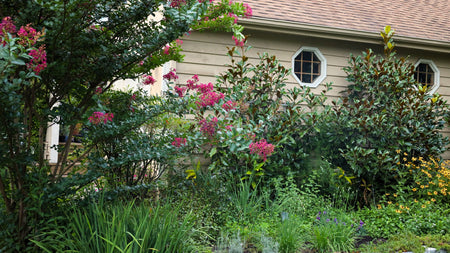
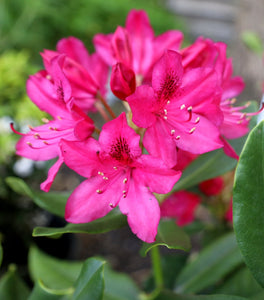
Images Depict Mature Plants
PJM Rhododendron
Rhododendron x 'P.J.M.'
PJM Rhododendron is one of those dependable landscape shrubs that keeps proving why it has stayed popular for so long. The spring bloom is beautiful, but what really makes it valuable is the evergreen body, the winter foliage color, and the fact that it tends to handle colder conditions better than many gardeners expect from a rhododendron.

Save Up to 25% On Your Order! Limited Time Only!
Discount Applied Automatically At Checkout
📦 Free shipping on orders over $99.
Delay shipping by leaving us a message at Checkout.
Share:


A cold-hardy evergreen with standout spring color
A classic rhododendron that performs in real landscapes.
PJM Rhododendron is a longtime favorite for good reason. It combines the rich spring flower show gardeners expect from rhododendrons with a more rugged constitution that makes it especially useful in colder regions and exposed landscapes. If you want an evergreen shrub that brings dependable color and structure without feeling overly fussy, this is one of the strongest choices in the category.
Lavender-purple blooms create an early-season display.
In early spring, PJM Rhododendron covers itself with clusters of lavender-purple to bright purple flowers that light up the landscape when many other shrubs are still waking up. The flowers are showy without looking heavy, and the smaller evergreen leaves help the bloom color stand out even more. When planted in groups or repeated through a border, the spring display can be especially effective.
Evergreen foliage adds value long after bloom.
Once flowering finishes, PJM Rhododendron continues to be a dense, mounded evergreen shrub with small, dark green leaves. In colder weather, the foliage often shifts to bronze, burgundy, or mahogany-purple tones, adding real winter interest rather than leaving the shrub flat or unnoticed. That foliage change is one of the traits that makes PJM feel seasonally dynamic rather than one-note.
A strong fit for foundations, borders, and mass plantings.
PJM Rhododendron is well-suited for foundation plantings, woodland edges, mixed shrub borders, mass plantings, and even larger containers. Its rounded habit helps it read as tidy and intentional, while its bloom and evergreen structure give it enough presence to anchor a bed. It also pairs well with other acid-loving plants such as pieris, azaleas, camellias, ferns, and shade perennials.
Best results come from classic rhododendron siting.
PJM Rhododendron performs best in part shade and in acidic, moist, well-drained soil with good organic content. It is often noted for better cold tolerance and a degree of heat tolerance compared with many rhododendrons, but it still appreciates protection from harsh drying winds, soggy sites, and intense reflected heat. I would not overstate drought tolerance here, but once established, it is generally dependable when planted in the right place.
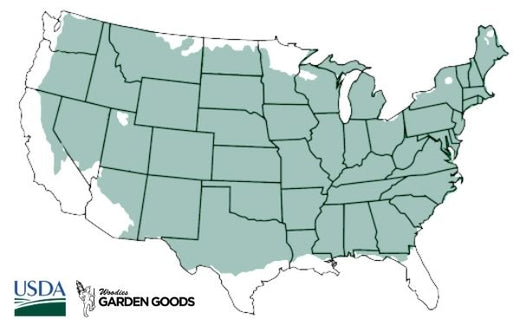
| Hardiness Zone: | 4-8 |
|---|---|
| Mature Height: | 4 to 6 Feet |
| Mature Width: | 3 to 6 Feet |
| Sunlight: | Part shade to part sun |
| Soil: | Acidic, moist, well-drained soil rich in organic matter |
| Water: | Moderate; water regularly during establishment and dry periods |
| Bloom Time / Color: | Early spring; lavender-purple to bright purple |
| Foliage: | Small dark green leaves that often turn bronze, burgundy, or mahogany-brown in winter |
| Ornamental Features: | Early spring flowers, evergreen foliage, winter color change, dense mounded habit |
| Wildlife Value: | Flowers can support early pollinators and hummingbirds |
| Resistance (deer/disease/drought/etc.): | Noted for strong cold hardiness; somewhat heat tolerant when well sited; avoid soggy soils and prolonged drought |
| Landscape Uses: | Foundation plantings, woodland borders, mass plantings, mixed shrub beds, specimen use, large containers |
How to Care for PJM Rhododendron
Be sure to read our planting instructions to ensure a healthy and happy PJM Rhododendron for years to come!
-v1776964823919.png?92x91)
How should I plant PJM Rhododendron?
Plant PJM Rhododendron in part shade in acidic, well-drained soil that stays evenly moist. Dig a hole twice as wide as the root ball but no deeper than the root ball itself, then set the shrub slightly high if drainage is a concern and backfill carefully. After planting, water deeply and apply mulch to help conserve moisture and keep the root zone cooler. Keep mulch a few inches away from the main stems, and avoid low wet spots or hot reflected exposures that can stress the plant.
-v1776964845946.png?89x84)
How often should I water PJM Rhododendron after planting?
Water PJM Rhododendron deeply right after planting, then keep the soil consistently moist during the first growing season. Check it often during warm weather, especially during the first few weeks, so the root zone does not dry out completely. Once established, PJM Rhododendron still performs best with regular deep watering during dry stretches. It does not like soggy soil, but it also should not be left to dry hard between waterings, especially in summer.
-v1776964862483.png?90x89)
When should I fertilize PJM Rhododendron?
Fertilize PJM Rhododendron in early spring or just after flowering with a fertilizer intended for acid-loving plants. A light feeding is usually enough to support healthy evergreen foliage and flower production. Avoid heavy feeding or fertilizing too late in the season. Too much fertilizer can stress rhododendrons or encourage tender growth when the plant should be preparing for dormancy.

When and how should I prune PJM Rhododendron?
Prune PJM Rhododendron just after flowering if shaping is needed. This timing helps preserve next year’s flower buds and lets you refine the plant’s rounded form without sacrificing bloom. Most plants need only light cleanup, such as removing spent flower trusses, damaged wood, or stray branches. Selective thinning is usually better than heavy shearing, especially on a shrub grown for both bloom and evergreen habit.