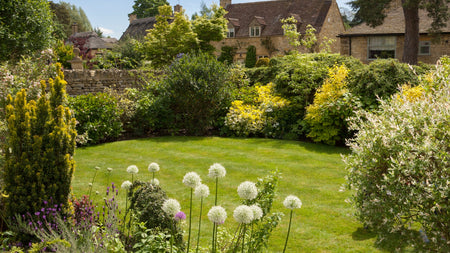
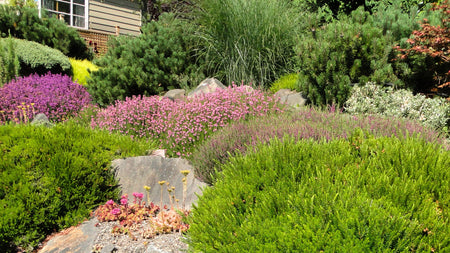
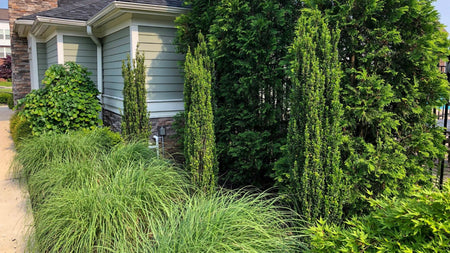
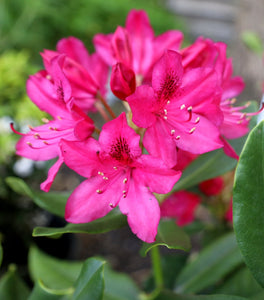
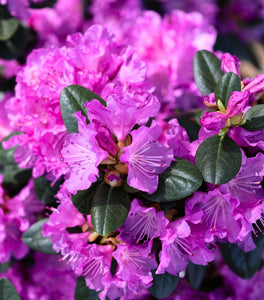
Images Depict Mature Plants
Capistrano Rhododendron
Rhododendron 'Capistrano'
Capistrano Rhododendron is a great example of how a classic shrub can still feel special when the flower color is right. The yellow bloom tone gives it a different personality than the usual rhododendron palette, and the evergreen habit makes it useful long after the flowers are gone.

Save Up to 25% On Your Order! Limited Time Only!
Discount Applied Automatically At Checkout
📦 Free shipping on orders over $99.
Delay shipping by leaving us a message at Checkout.
Share:

A classic yellow rhododendron with evergreen structure
A standout rhododendron for soft yellow spring color.
Capistrano Rhododendron is prized for its rich yellow flowers, a color that sets it apart from many pink, lavender, and white rhododendrons commonly seen in the landscape. The blooms open in rounded trusses, creating a bright yet refined spring display that feels cheerful without looking harsh. For homeowners who want something distinctive in a part-shade planting, this cultivar offers a beautiful shift in color palette.
Evergreen foliage keeps the shrub useful all year.
After bloom season, Capistrano Rhododendron continues to earn its place with dark green evergreen foliage and a dense, mounded habit. That year-round foliage presence helps foundation beds, woodland borders, and mixed shrub plantings stay structured and finished even when nearby deciduous shrubs are bare. It is a plant that contributes beyond its flowering window.
Spring bloom is where this shrub really shines.
Capistrano Rhododendron typically flowers in spring, with timing ranging from early to mid-spring depending on local climate. The trusses are full and showy, and the soft yellow color stands out especially well against darker green foliage or nearby evergreens. When planted where the blooms can be appreciated up close, it has a polished, garden-centerpiece quality.
A strong fit for foundations, borders, and woodland settings.
This evergreen shrub works beautifully in foundation plantings, woodland borders, mixed shrub beds, and specimen groupings. Its full habit makes it useful as a visual anchor in part-shade designs, while the bloom color pairs easily with ferns, pieris, azaleas, camellias, and other acid-loving companions. It can also be effective in mass plantings where a coordinated spring display is the goal.
Best performance comes from classic rhododendron conditions.
Capistrano Rhododendron performs best in part shade with acidic, moist, well-drained soil rich in organic matter. It does not want soggy conditions, and in warmer southern settings, it benefits from protection from strong afternoon sun. Some sellers describe it as notably pest and disease-resistant, but I would still frame it as a rhododendron that performs best when site conditions are right, rather than one that should be treated as carefree in every setting.
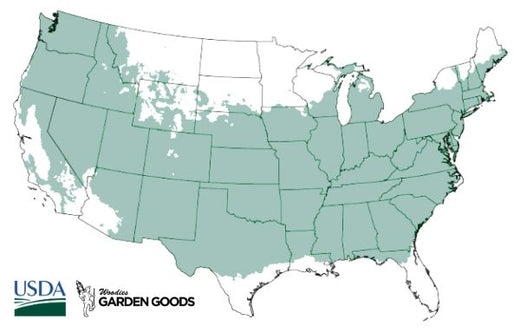
| Hardiness Zone: | 5-8 |
|---|---|
| Mature Height: | 4 to 5 Feet |
| Mature Width: | 5 to 6 Feet |
| Sunlight: | Part shade to part sun |
| Soil: | Acidic, moist, well-drained soil rich in organic matter |
| Water: | Moderate; keep evenly moist during establishment and dry periods |
| Bloom Time / Color: | Spring; lemon-yellow to clear yellow flowers |
| Foliage: | Dark green evergreen foliage |
| Ornamental Features: | Yellow truss flowers, evergreen foliage, dense mounded habit, classic rhododendron texture |
| Wildlife Value: | Flowers may support pollinators |
| Resistance (deer/disease/drought/etc.): | Site-sensitive like most rhododendrons; some sources note good pest and disease resistance once well sited |
| Landscape Uses: | Foundation plantings, woodland borders, mixed shrub beds, specimen plantings, mass plantings |
How to Care for Capistrano Rhododendron
Be sure to read our planting instructions to ensure a healthy and happy Capistrano Rhododendron for years to come!
-v1776963187560.png?92x91)
How should I plant Capistrano Rhododendron?
Plant Capistrano Rhododendron in part shade in acidic, well-drained soil with plenty of organic matter. Dig a hole twice as wide as the root ball but no deeper than the soil line in the pot, then backfill carefully and water deeply to settle the roots. After planting, apply mulch to help conserve moisture and keep the root zone cooler. Keep mulch a few inches away from the main stems, and avoid heavy clay pockets, low wet spots, or exposed hot locations that can stress rhododendrons.
-v1776963206134.png?89x84)
How often should I water Capistrano Rhododendron after planting?
Water Capistrano Rhododendron deeply right after planting, then keep the soil evenly moist through the first growing season. During the first several weeks, check soil moisture regularly so the root zone does not completely dry out. Once established, Capistrano Rhododendron still performs best with consistent moisture, especially in warm weather. Deep watering during dry stretches is much better than frequent shallow watering, and good drainage is just as important as regular moisture.
-v1776963235330.png?90x89)
When should I fertilize Capistrano Rhododendron?
Fertilize Capistrano Rhododendron in early spring or shortly after bloom with a product formulated for acid-loving plants. This supports healthy foliage and flower bud development without pushing excessive soft growth. Avoid heavy feeding late in the season. Too much fertilizer, or fertilizer applied too late, can encourage tender growth that is more vulnerable to stress before winter dormancy.

When and how should I prune Capistrano Rhododendron?
Prune Capistrano Rhododendron lightly after flowering if shaping is needed. This timing helps preserve the next season’s flower buds and keeps the plant’s natural rounded habit intact. Most plants need very little pruning beyond removing spent trusses, damaged wood, or occasional stray branches. Selective shaping is usually better than hard shearing, especially on a shrub grown for its bloom display and dense evergreen form.