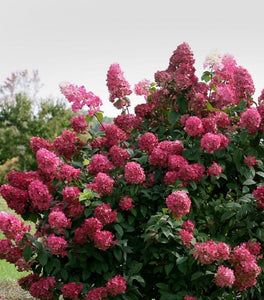
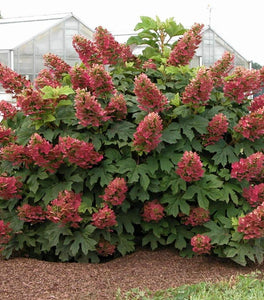
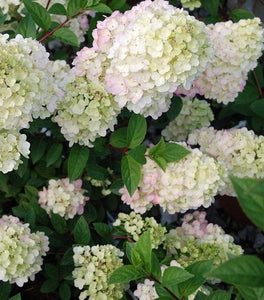
Images Depict Mature Plants
Quick Fire Fab® Hydrangea
Hydrangea paniculata 'Bulk' Plant Patent #16812; Can. Breeders Rights #3398
Quick Fire Fab® Hydrangea is a great choice when you want the early bloom timing of Quick Fire but with bigger, fuller flower heads. The color progression is excellent: lime-white flowers age into pink and then red, giving the shrub a long season of changing color. I like it as a hedge, specimen, or back-of-border hydrangea where it has enough room to grow into its full size and show off those large, sturdy blooms.

Save Up to 25% On Your Order! Limited Time Only!
Discount Applied Automatically At Checkout
📦 Free shipping on orders over $99.
Delay shipping by leaving us a message at Checkout.
Share:

Early-Blooming Mophead Panicles with White, Pink, and Red Color
An Early Panicle Hydrangea with Full Mophead Blooms.
Quick Fire Fab® Hydrangea brings the early bloom power of the Quick Fire® family into a fuller, showier flower form. Instead of open lacecap-style blooms, this panicle hydrangea produces large, dense mophead panicles packed with unique X-shaped florets. The result is a bold summer-to-fall display that begins earlier than many other panicle hydrangeas and continues to add color as the flowers mature.
Color That Changes from Lime-White to Pink and Red.
The flower color show begins with fresh lime-white blooms that gradually turn blush pink from the bottom upward. As the season progresses, the panicles deepen from bright pink to rich red, often creating a two-tone effect within the same flower cluster. This natural color progression is genetic and is not controlled by soil pH, so gardeners can enjoy the pink and red color shift without needing special soil amendments.
A Full-Size Hydrangea for Hedges, Specimens, and Back Borders.
Quick Fire Fab® Hydrangea typically grows 6 to 8 feet tall and 5 to 6 feet wide, making it an excellent choice for flowering hedges, large foundation plantings, back-of-border color, and specimen use. It has a strong upright habit and sturdy stems that help support the large blooms. Give it enough room to reach its mature size so the plant can develop into a full, impressive landscape feature.
Reliable Blooms on New Wood.
This panicle hydrangea blooms on new wood, meaning flower buds form on the current season’s growth. That makes Quick Fire Fab® a dependable option in cold climates where old-wood hydrangeas may lose buds during winter. Prune in late winter or early spring before new growth begins to shape the shrub, encourage strong stems, and support a fuller flowering display.
Excellent for Fresh and Dried Flower Arrangements.
Quick Fire Fab® Hydrangea is as useful indoors as it is in the landscape. The large flower heads can be cut fresh when fully open or harvested later as they deepen to pink and red for dried arrangements. Use this hydrangea as a bold-flowering hedge, a front-yard specimen, a backdrop for perennial beds, or a cut-flower shrub that brings months of color to sunny garden spaces.
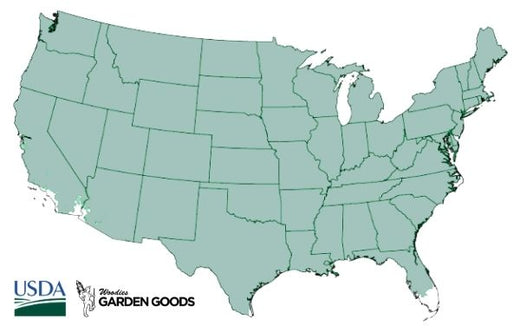
| Hardiness Zone: | 3-9 |
|---|---|
| Mature Height: | 6 to 8 feet |
| Mature Width: | 5 to 6 feet |
| Sunlight: | Full sun to part sun |
| Bloom Time / Color: | Early summer to fall; white blooms aging pink to rosy red |
| Soil: | Average, moist, well-drained soil |
| Water: | Average to moderate; keep evenly moist during establishment and dry spells |
| Bloom Time / Color: | Early summer through fall; lime-white flowers aging blush pink, bright pink, and red |
| Ornamental Features: | Early bloom time, large mophead panicles, X-shaped florets, strong stems, white-to-pink-to-red flower color |
| Wildlife Value: | Flowers may attract pollinators and provide seasonal garden interest |
| Resistance: | Cold hardy, blooms reliably on new wood, strong-stemmed, easy-care when properly sited |
| Landscape Uses: | Specimen shrub, flowering hedge, foundation planting, mixed border, back-of-border planting, mass planting, cut flowers, dried flowers |
How to Care for Quick Fire Fab® Hydrangea
Be sure to read our planting instructions to ensure a healthy and happy Quick Fire Fab® Hydrangea plant for years to come!
-v1770746042522.png?92x91)
How should I plant Quick Fire Fab Hydrangea?
Plant Quick Fire Fab Hydrangea in full sun to part sun where it has room to mature into a full-size shrub. Choose a site with moist, well-drained soil and good air movement. In cooler climates, full sun supports strong stems and the heaviest flowering, while in hotter climates, afternoon shade can help reduce stress during intense summer heat. Dig a hole about twice as wide as the root ball and just as deep. Set the top of the root ball level with the surrounding soil, backfill gently, and water thoroughly. Add a 2- to 3-inch mulch layer around the root zone to conserve moisture, moderate soil temperature, and reduce weeds, keeping mulch pulled slightly away from the stems.
-v1770746086712.png?89x84)
How often should I water Quick Fire Fab Hydrangea after planting?
Water Quick Fire Fab Hydrangea deeply after planting and keep the soil evenly moist during the first growing season. Consistent moisture helps new roots establish and supports the large flower heads as they develop. During hot or dry weather, water when the top few inches of soil begin to dry. Once established, Quick Fire Fab Hydrangea has average water needs, but prolonged drought can cause flowers to brown, wilt, or age less cleanly. Provide occasional deep watering during dry spells, especially while the plant is blooming. Avoid constantly soggy soil, since panicle hydrangeas need good drainage for healthy roots.
-v1770746094877.png?90x89)
When should I fertilize Quick Fire Fab Hydrangea?
Fertilize Quick Fire Fab Hydrangea in early spring as new growth begins. Use a balanced slow-release fertilizer formulated for flowering shrubs, or apply a light topdressing of compost around the root zone. This helps support strong stems, healthy foliage, and a full flower display. Avoid over-fertilizing with high-nitrogen products, which can encourage leafy growth at the expense of strong stems and flower quality. A single spring feeding is usually enough in average garden soil. If the shrub is growing well and flowering strongly, keep feeding light and focus on proper watering and pruning.

When and how should I prune Quick Fire Fab Hydrangea?
Prune Quick Fire Fab Hydrangea in late winter or early spring before new growth begins. Because it blooms on new wood, pruning at this time will not remove the season’s flower buds. Remove dead, damaged, weak, or crossing branches first. For shaping and stronger stems, reduce the previous season’s growth by about one-third while keeping the main framework of the shrub intact. Avoid hard pruning after mid-summer, because it can delay flowering. Spent blooms can be left for winter interest or removed after flowering if a cleaner look is preferred.