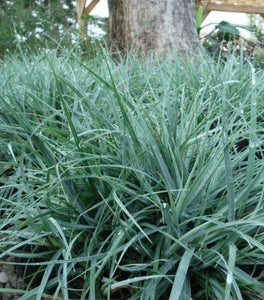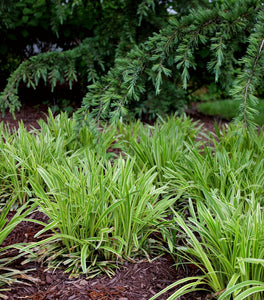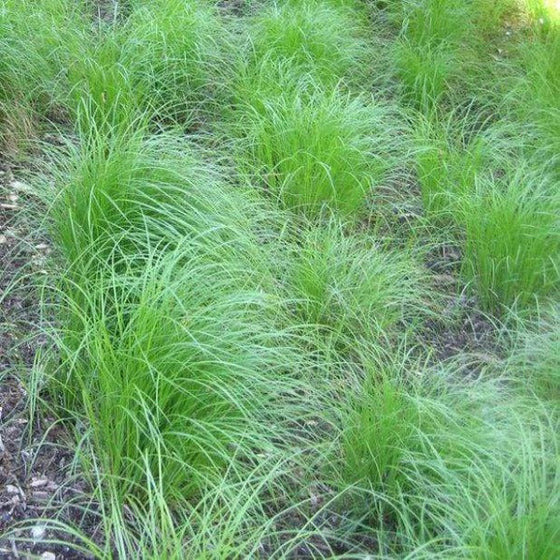
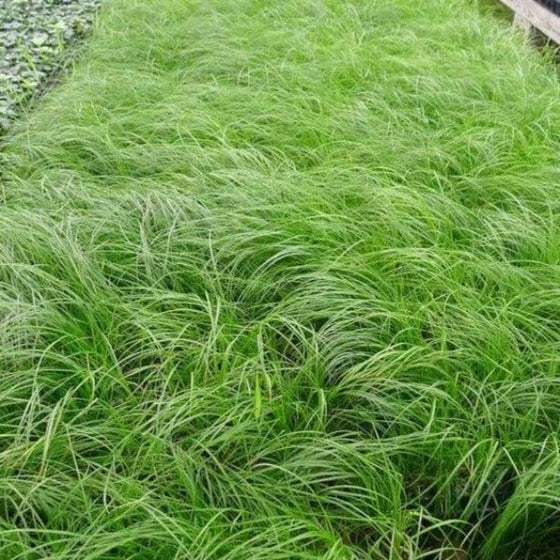


Images Depict Mature Plants
Pennsylvania Sedge
Carex pensylvanica
Pennsylvania Sedge is one of the best native options for turning dry shade into something intentional. It gives you a soft, lawn-like look under trees without asking for the same mowing, fertilizing, and watering that turf demands. I like it most as a low-traffic lawn alternative, woodland groundcover, or living mulch around native perennials. Plant it in groups, give it water while it establishes, and let it settle into a natural carpet.

20% OFF NON-SALE PRODUCTS, USE CODE 'LABORDAY20'
📦 Free shipping on orders over $99.
Delay shipping by leaving us a message at Checkout.
Share:Recommended Add-Ons


A Native Sedge for Dry Shade and No-Mow Groundcover
Soft Grass-Like Texture for Shaded Spaces
Pennsylvania Sedge is a low-growing native sedge with fine, arching green foliage that creates a soft, grass-like texture in shaded landscapes. Botanically known as Carex pensylvanica, this woodland sedge is especially useful where traditional turf struggles, including in dry shade, under trees, at woodland edges, and in low-maintenance native plantings.
Unlike many ornamental grasses that need full sun, Pennsylvania Sedge is naturally adapted to shaded and partly shaded woodland conditions. It brings a simple, natural look to difficult sites while reducing the need for mowing, fertilizing, and constant lawn care.
A Native Lawn Alternative for Low-Traffic Areas
Pennsylvania Sedge is one of the best native sedges for homeowners looking to replace or reduce turf in shaded parts of the yard. It forms loose colonies and gradually spreads into a soft green mat, creating a lawn-like effect without the same maintenance demands as traditional grass.
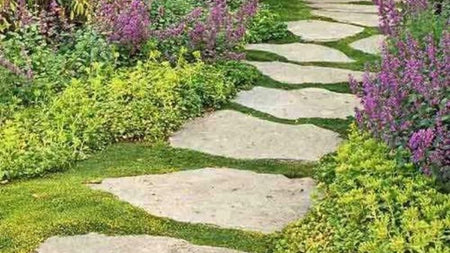
Use it in low-traffic lawn alternatives, under high-branched trees, along shaded paths, around stepping stones, and in areas where a more natural woodland lawn is desired. It can tolerate light foot traffic, but it is not intended for heavy play areas, sports turf, or high-use pathways.
Excellent Groundcover for Woodland Gardens
Pennsylvania Sedge works beautifully as a living mulch beneath trees, shrubs, and taller perennials. Its fine texture contrasts with hostas, ferns, hellebores, heuchera, brunnera, woodland phlox, foamflower, wild ginger, and native spring ephemerals.
In naturalistic plantings, it helps knit the ground layer together without looking formal or overdesigned. It is especially effective when planted in masses, where the foliage creates a flowing, meadow-like carpet across shaded beds.
Low Maintenance with the Right Site
Pennsylvania Sedge grows best in part shade to shade with dry to medium moisture and well-drained soil. It prefers loose woodland soil and can handle dry shade better than many groundcovers once established.
This sedge is semi-evergreen in mild or protected sites and may brown back in colder winters. Maintenance is minimal. Leave it natural for a soft meadow look, or mow or trim it once in late winter or early spring for a shorter, tidier appearance before fresh growth begins.
Native Habitat Value and Naturalizing Behavior
As a native sedge, Carex pensylvanica supports more ecological value than many non-native groundcovers. Its dense foliage helps cover soil, soften bare areas, and create habitat at the ground layer.
Pennsylvania Sedge spreads gradually by rhizomes and can also self-seed in suitable conditions. This makes it useful for naturalizing and filling woodland-style beds, but new seedlings can be thinned if they appear outside the intended planting area.
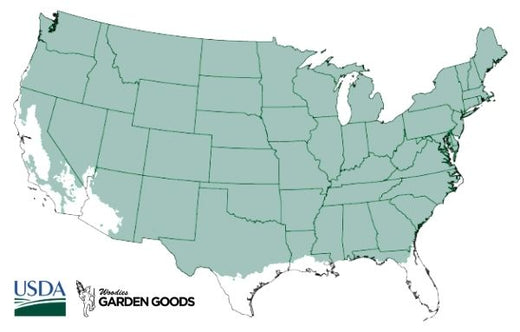
| Hardiness Zone: | 3-8 |
|---|---|
| Mature Height: | 6 to 10 Inches |
| Mature Width: | 12 to 18 Inches |
| Sunlight: | Part shade to full shade preferred; tolerates sun in cooler climates with enough moisture |
| Soil | Dry to medium, well-drained woodland soil; prefers loose loam and tolerates dry shade once established |
| Water Requirements: | Water regularly after planting; lower water needs once established; avoid prolonged soggy conditions |
| Bloom Time / Color | Early spring to late spring; small brown to greenish-brown sedge flowers are not showy |
| Ornamental Features | Fine grass-like foliage, soft green carpet effect, low mat-forming habit, natural woodland texture |
| Wildlife Value | Native sedge that supports butterfly and moth species and provides ground-layer habitat |
| Resistance | Generally deer resistant; low maintenance; dry shade tolerant once established; tolerates light foot traffic |
| Landscape Uses | No-mow lawn alternative, shade groundcover, under-tree planting, woodland garden, native planting, living mulch, path edge, slope planting, erosion-control ground layer, low-maintenance lawn replacement |
How to Care for Pennsylvania Sedge
Be sure to read our planting instructions to ensure a healthy and happy Pennsylvania Sedge for years to come!

How should I plant Pennsylvania Sedge?
Plant Pennsylvania Sedge in part shade to full shade with dry to medium, well-drained soil. It is especially useful under trees, along woodland edges, in shaded lawn-replacement areas, and in native groundcover plantings where traditional turfgrass struggles. Dig a hole about as wide as the root ball and just as deep. Set the crown level with the surrounding soil, backfill gently, and water thoroughly. Space plants about 8–12 inches apart for faster lawn-alternative coverage, or 12–18 inches apart for a looser naturalized planting.

How often should I water Pennsylvania Sedge after planting?
Water Pennsylvania Sedge deeply after planting and keep the soil evenly moist while the roots establish. During the first growing season, water when the top few inches of soil begin to dry, especially if planting under mature trees where roots compete for moisture. Once established, Pennsylvania Sedge can tolerate dry shade better than many groundcovers. It still looks fuller with occasional watering during extended drought, but it should not be kept constantly wet.

When should I fertilize Pennsylvania Sedge?
Pennsylvania Sedge usually needs little to no fertilizer in good woodland soil. A light spring topdressing of compost is enough for most plantings. Avoid heavy fertilization, which can encourage weak growth and weed growth. This sedge is best managed as a low-input native groundcover rather than a heavily fed turf lawn.

When and how should I mow or prune Pennsylvania Sedge?
Pennsylvania Sedge does not need regular mowing. For a natural meadow-like look, leave it unmowed and allow the fine foliage to arch softly. For a tidier lawn-alternative appearance, mow or trim once in late winter or very early spring before new growth begins. Set the mower high or use shears so you do not scalp the crown. Avoid frequent close mowing, which can weaken the planting.