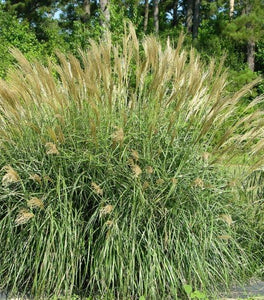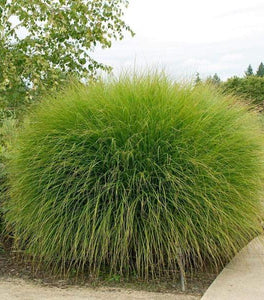

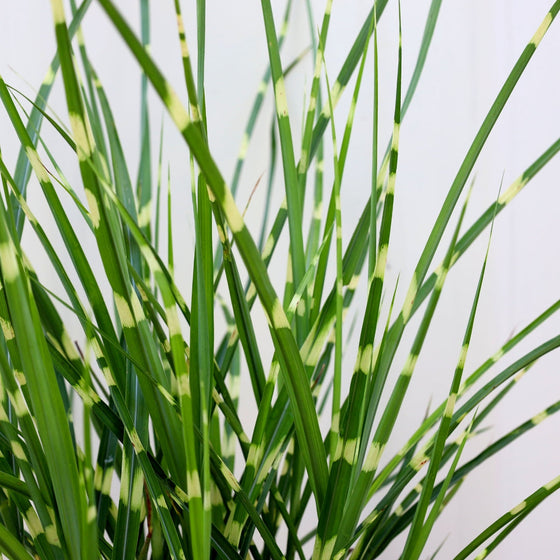
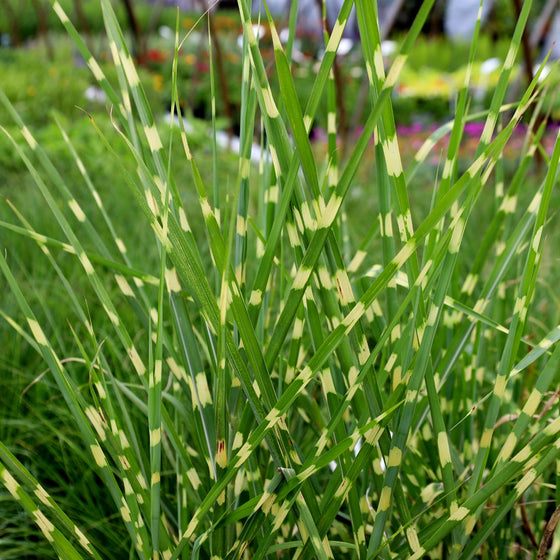
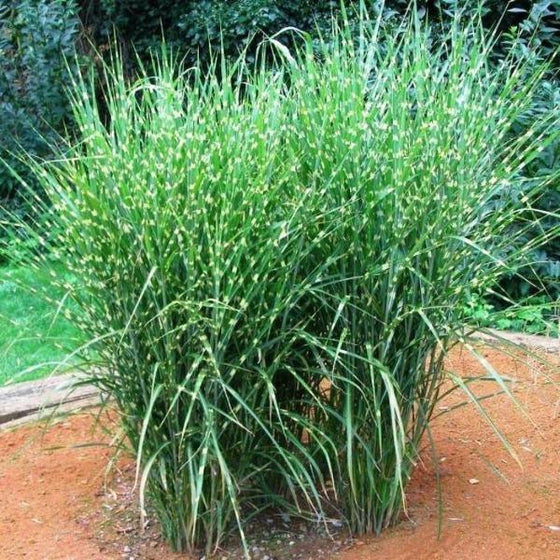


Images Depict Mature Plants
Porcupine Grass
Miscanthus sinensis 'Strictus'
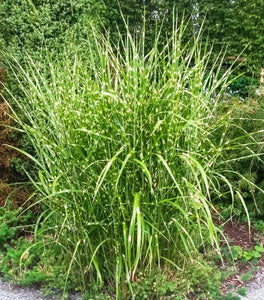
The yellow bands on Porcupine Grass are what catch your eye first, but its strong upright habit is what really separates it from Zebra Grass. Those horizontal stripes create a bold pattern on every leaf, and the stems stay noticeably more vertical than the softer, arching growth of many other Maiden Grasses. I can see why homeowners appreciate the combination of distinctive foliage and substantial landscape height, particularly when they want a dramatic specimen rather than a small border grass. One thing I would emphasize is giving the plant enough space, because this is a large ornamental grass that can reach six to eight feet tall. It also needs plenty of sunlight, and heavy fertilization can work against that strong upright appearance. There's another issue that's especially important for us today: Porcupine Grass is a cultivar of Chinese Silvergrass, which Maryland now prohibits unless a specific exemption applies. That means I wouldn't recommend it for a new Maryland landscape. For someone who wants similar vertical structure, I'd look at Northwind or Heavy Metal Switchgrass, depending on the foliage color and size needed. A successful landscape has to look good, but it also has to use plants that are appropriate for the property and the local environment.
$59.46 with code NOVEMBER15 at checkout Save $10.49
📦 Free shipping on orders over $99.
Delay shipping by leaving us a message at Checkout.
Share:Recommended Add-Ons



An Upright Striped Miscanthus with Bold Architectural Texture
Porcupine Grass Brings Bold Yellow-Banded Foliage to Sunny Landscapes
Porcupine Grass is one of the most recognizable ornamental grasses for homeowners seeking bold foliage patterns and strong vertical structure. Its upright green leaves are marked with distinctive horizontal yellow bands, creating a repeated striped effect that sets it apart from conventional green ornamental grasses. These bands run across each leaf rather than lengthwise, producing the appearance of alternating green and golden sections. The foliage grows in a dense, relatively rigid clump, bringing height and texture to sunny landscape borders. When planted where its full mature shape can be appreciated, Porcupine Grass creates a strong architectural accent that contrasts beautifully with rounded shrubs, flowering perennials, and dark evergreen backgrounds.
What makes Porcupine Grass particularly distinctive is that its foliage provides the primary ornamental display rather than depending on flowers. The yellow banding remains attractive throughout much of the growing season, while the narrow leaves introduce movement and natural texture. Compared with broadly arching ornamental grasses, Porcupine Grass maintains a more vertical silhouette that can help define large planting beds or create a focal point. Its tall growth makes it better suited to spacious landscapes than small foundation beds or narrow walkways. For homeowners seeking a striking striped ornamental grass with substantial mature height and a more upright form, Porcupine Grass offers an unusual appearance where its planting is legally permitted.
Horizontal Golden-Yellow Bands Create a Distinctive Striped Appearance
The unusual foliage pattern of Porcupine Grass is its defining ornamental feature. Each leaf develops pale yellow to golden bands running horizontally across the green surface, creating a bold cross-striped effect. This arrangement is different from the lengthwise stripes commonly seen on variegated grasses and sedges. The bands become especially attractive as the foliage matures during summer, producing a repeated pattern of green and yellow throughout the clump. In full sunlight, the lighter markings stand out clearly against the green portions of the leaves. The result is a plant that provides ornamental color without requiring a display of brightly colored flowers.
This horizontal pattern also creates interesting combinations with plants that have solid green, burgundy, silver, or blue foliage. Dark evergreen shrubs can help highlight the yellow bands, while broadleaf perennials introduce contrasting textures. Porcupine Grass can be particularly striking near stonework or architectural landscape features where its upright growth complements the surrounding design. Although the foliage bands remain its most recognizable trait, their intensity and appearance may vary with growing conditions and leaf maturity. Full sun and sufficient growing space help the plant develop a dense clump with clearly visible foliage markings. For homeowners who appreciate unusual foliage, this cultivar offers a distinctive striped appearance that is difficult to confuse with other ornamental grasses.
Strong Upright Growth Sets Porcupine Grass Apart From Zebra Grass
One of the most important differences between Porcupine Grass and Zebra Grass is the way the plants grow. Both cultivars produce green leaves decorated with horizontal yellow bands, but Porcupine Grass generally develops stiffer stems and a more upright, narrow outline. Zebra Grass tends to form a broader, softer arching mound, while Porcupine Grass presents a stronger vertical appearance. This distinction makes Porcupine Grass particularly useful for landscape designs where tall, defined forms are desirable. Its foliage rises prominently from the crown before arching less dramatically than many other Miscanthus selections, creating a distinctive architectural effect.
Porcupine Grass typically grows approximately 6–8 feet tall when mature and flowering, although foliage height may be somewhat lower. Mature clumps commonly spread around 3–5 feet wide, with additional variation according to climate and growing conditions. This is a substantial plant that should be given plenty of space to develop without crowding neighboring shrubs or walkways. In large perennial beds, its height and upright shape can provide a striking backdrop for lower-growing plants. When comparing the two striped Miscanthus cultivars, choose Porcupine Grass for a more vertical, rigid appearance and Zebra Grass for a broader, flowing silhouette. Both belong to the same species and therefore share the same important regulatory considerations.
Late-Season Flower Plumes Add Height and Soft Winter Texture
Porcupine Grass may produce feathery flower panicles during late summer or autumn, depending on regional growing conditions. The flower plumes initially develop in copper, bronze, or soft pinkish tones before gradually aging to pale silver and buff. Their soft, airy texture provides an interesting contrast against the stiff, yellow-banded foliage below. When flowering is abundant, the plumes add further height and give the mature plant a more dramatic seasonal appearance. The flowering stems can also be attractive when sunlight passes through them, creating a soft glow above the striped leaves.
An important characteristic of Porcupine Grass is that flowering may be inconsistent in cooler climates or regions with shorter growing seasons. Some plants may develop vigorous foliage but produce few flower panicles before the first hard frost. This is not necessarily a sign of poor plant health, since the horizontal yellow bands are the cultivar's main ornamental feature. Where flowering occurs, the mature panicles may remain attractive into winter, although frost, snow, and wind can alter their appearance. The species can reproduce through seed, so seed-bearing plumes should be managed responsibly where ecological escape is a concern. The most dependable reason to choose Porcupine Grass is its distinctive foliage and strong upright habit, with flowers providing an additional seasonal benefit when conditions allow.
Tall Architectural Form Creates Seasonal Screens and Landscape Backdrops
Porcupine Grass can create substantial seasonal height and visual structure in large sunny planting beds. Its upright stems rise well above many flowering perennials, making the grass useful as a background accent or as part of a repeated landscape arrangement. The yellow-striped leaves provide visual interest without creating a solid wall of foliage, while the mature clumps establish a strong vertical rhythm. Along a broad garden border, several plants can produce a dramatic display of upright texture. Their height also allows them to soften large fences or provide a seasonal division between outdoor areas.
For spacious group plantings, allow approximately 4–5 feet between mature plant centers, adjusting to site conditions and the desired appearance. A closer arrangement may provide denser seasonal screening but increases competition and maintenance as clumps expand. Porcupine Grass is deciduous, so it cannot provide dependable evergreen privacy. Its foliage becomes dormant during winter and is normally cut back before new growth appears.
Golden-Tan Autumn Foliage and Winter Stems Extend the Display
As summer transitions into autumn, the green foliage of Porcupine Grass gradually develops yellow, golden-tan, and bronze-brown tones. The distinctive horizontal bands may remain visible for part of the transition before the leaves become uniformly dry. Where flower plumes develop, their copper and silver tones add a second layer of seasonal texture above the foliage. The combination of tall stems and warm colors creates a recognizable autumn silhouette, particularly when planted against dark evergreen backgrounds. In large landscape beds, Porcupine Grass can remain visually prominent after many flowering perennials have finished their displays.
During winter, the foliage becomes dormant and turns straw-colored tan to brown, while some stems may remain standing. The dried clumps can provide structure and movement, although heavy snow or ice may cause portions to bend or flatten. Because Miscanthus sinensis can produce viable seeds and spread beyond cultivation, seed-bearing plumes should be managed to reduce the risk of escape into natural areas. Dormant, dry stems can also pose a fire risk when located too close to buildings in fire-prone settings. Where the species is legally permitted, seasonal cleanup is normally performed before new spring growth begins. The changing foliage and persistent winter stems contribute ornamental interest well beyond summer, although the plant should not be described as evergreen.
Full Sun and Well-Drained Soil Support Strong Upright Growth
Porcupine Grass grows best in full sun with average, reasonably well-drained soil. It adapts to sandy, loamy, and appropriately drained clay soils and tolerates periods of dry weather once established. During the first growing season, regular watering helps the roots develop beyond their original nursery container. Mature plants generally need less supplemental irrigation, although prolonged drought can reduce foliage quality. Strong sunlight is important for maintaining an upright habit and encouraging optimal flowering. In substantial shade, growth may become weaker, while the stems may lean and the flower display may decline.
Routine care generally involves moderate soil fertility, appropriate spacing, and annual late-winter or early-spring pruning. Heavy nitrogen fertilization is unnecessary and may encourage soft, elongated growth that reduces the cultivar's naturally upright appearance. Porcupine Grass is a warm-season perennial, so it typically begins active growth later in spring than cool-season ornamental grasses. Allow time for the soil to warm before assuming the crown has failed to survive winter. Because the species is prohibited in Maryland and regulated elsewhere, new planting, propagation, and distribution must be evaluated against current requirements. Responsible site selection and compliance are essential considerations alongside ornamental performance.
Combine Porcupine Grass With Contrasting Foliage and Sunny Perennials
Porcupine Grass creates a striking ornamental contrast when combined with plants that offer rounded foliage, colorful flowers, or different growth habits. Its stiff, yellow-banded leaves look particularly attractive alongside solid green evergreens, purple-flowering perennials, and low, mounding plants. In regions where planting is permitted, it can be combined with Purple Coneflowers, Black-Eyed Susans, Catmint, and Sedums in spacious sunny borders with compatible growing conditions. These companions help soften the grass's tall silhouette while adding flower color through different parts of the season. The horizontal leaf bands remain a distinct decorative element even when neighboring perennials are not in bloom.
For homeowners in states restricting Chinese Silvergrass, locally permitted ornamental grasses offer a more appropriate long-term landscape choice. Northwind Switchgrass provides strong vertical height, while Heavy Metal Switchgrass offers stiff metallic blue-green foliage. Standing Ovation Little Bluestem delivers a narrower upright habit with red-orange fall color, and Prairie Dropseed creates a much lower, graceful fountain shape. None reproduces Porcupine Grass's exact horizontal yellow banding, but they can deliver valuable height, texture, or seasonal interest in the right location. The best landscape selection considers the desired appearance, mature size, growing conditions, ecological impact, and applicable planting regulations.
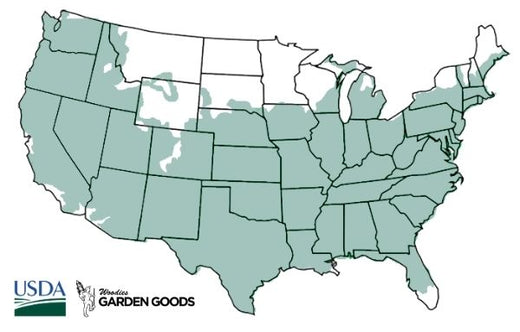
| Hardiness Zone: | 5-9 |
|---|---|
| Mature Height: | Approximately 72–96 inches at flowering; foliage may remain shorter |
| Mature Width: | Approximately 36–60 inches |
| Sunlight: | Full sun preferred; light partial shade tolerated, with increased risk of leaning and reduced flowering |
| Soil | Average, well-drained sandy, loamy, or clay soil; adaptable to several pH ranges |
| Water Requirements: | Moderate during establishment; low to moderate once established |
| Bloom Time / Color | Late summer to fall; may fail to flower before frost in cooler regions / Copper, pinkish-bronze, or reddish, maturing silver-white and buff |
| Wildlife Value | Standing clumps may offer seasonal shelter for birds and wildlife |
| Ornamental Features | Stiff upright foliage with horizontal yellow bands, tall architectural habit, occasional copper-toned late-season flower plumes, golden-tan winter stems |
| Resistance | Deer, Heat, Humidity, Moderate Drought Once Established, Wind, Sandy Soil, Well-Drained Clay Soil; vulnerable to root rot in saturated soils |
| Landscape Uses | Large ornamental specimens, spacious sunny borders, seasonal screens, large mixed perennial beds, architectural accents and winter-interest plantings |
How to Care for Porcupine Grass
Be sure to read our planting instructions to ensure a healthy and happy Porcupine Grass for years to come!

How should I plant Porcupine Grass?
Where planting is legally permitted, choose a location that provides full sun and enough room for a mature grass approximately 6–8 feet tall and 3–5 feet wide. Porcupine Grass performs best in average, reasonably well-drained soil and can tolerate a range of soil textures, including sandy, loamy, and appropriately drained clay soils. Avoid deeply shaded locations because inadequate sunlight can weaken its upright stems and reduce flowering. Its substantial mature dimensions make it better suited to large ornamental borders than narrow foundation beds. Before installing new plants, check state and local regulations, since Miscanthus sinensis and its associated cultivars are prohibited in Maryland and restricted in other jurisdictions. Prepare a planting hole approximately twice as wide as the root ball and no deeper than its height. Gently remove the plant from its container, loosen circling roots if necessary, and position the crown level with the surrounding soil. Backfill with the original soil and water thoroughly. Allow approximately 4–5 feet between plants in spacious group plantings, adjusting for mature width and desired density. Apply a light mulch layer around the roots without covering the crown. Spring planting is generally beneficial near the colder end of the growing range, but only where new installation is permitted. Never assume that an existing nursery listing authorizes planting in a prohibited jurisdiction.

How often should I water Porcupine Grass after planting?
During the first growing season, Porcupine Grass needs consistent watering while its root system becomes established. Water thoroughly immediately after planting and monitor soil moisture regularly, especially during hot or windy weather. Approximately 1 inch of water per week, including rainfall, can serve as an initial guideline for many garden soils, but actual irrigation needs depend on weather, plant size, and soil texture. Sandy soils may dry quickly, while heavier soils retain moisture longer. Apply water deeply enough to moisten the developing root zone without maintaining prolonged saturated conditions around the crown. Once established, Porcupine Grass develops moderate drought tolerance and generally requires less supplemental irrigation than newly planted specimens. Prolonged severe drought can still cause leaf browning or reduced ornamental quality, and occasional deep watering may help maintain the striped foliage. Avoid overwatering poorly drained soils, particularly when the plant becomes dormant. A modest mulch layer can help conserve moisture and moderate soil temperatures. Healthy root establishment and balanced moisture are more important than a rigid watering schedule. Watering practices should also reflect any applicable management requirements for existing plants in regulated locations.

When should I fertilize Porcupine Grass?
Porcupine Grass generally requires little supplemental fertilizer in ordinary garden soil. If a soil test reveals a nutrient deficiency, an appropriate balanced slow-release fertilizer may be applied in spring as active growth begins, following the product label. The cultivar naturally develops substantial foliage under favorable conditions and does not need repeated intensive feeding to reach its mature size. A small amount of compost may be beneficial in particularly poor soils, but excessive soil enrichment is usually unnecessary. Avoid heavy nitrogen applications because excess fertilizer can encourage soft, elongated stems and reduce the strong upright growth habit that distinguishes Porcupine Grass from Zebra Grass. Fertilizer also cannot correct excessive shade, poor drainage, or overcrowding. If growth becomes weak, evaluate the growing conditions before increasing nutrient applications. Established plants in suitable soil often require little feeding. Full sun, appropriate drainage, and moderate fertility are the main requirements for a strong, attractive clump. In regulated locations, avoid management practices intended to propagate or expand prohibited plant stock.

When and how should I prune Porcupine Grass?
Porcupine Grass is a deciduous warm-season perennial, and ordinary annual cleanup is performed in late winter or early spring before new shoots emerge. The upright stems and dried leaves may provide attractive texture during winter, although the plant becomes fully dormant and loses its living green foliage. Where the cultivar flowers and develops seed heads, take care to prevent unwanted seed dispersal into surrounding landscapes or natural areas. Depending on local requirements, removing flower heads before seed maturity may be more appropriate than leaving them standing all winter. Use clean, sharp shears or suitable trimming tools to cut dormant stems to approximately 4–6 inches above the ground. Wear gloves and long sleeves because Miscanthus leaves can have abrasive or sharp edges. Gather and remove the old foliage, taking care not to injure emerging shoots. In regions regulating Chinese Silvergrass, do not divide, propagate, transport, or distribute plants without confirming that the activity is permitted. Seed-bearing debris and rhizomes should be disposed of according to local guidance rather than introduced into uncontrolled compost or natural areas. Annual pruning maintains the plant's appearance but does not by itself prevent seed-based spread.