


Images Depict Mature Plants
Blue Arrow Rush
Juncus inflexus 'Blue Arrows'
When I want a landscape planting to have a stronger architectural appearance, Blue Arrow Rush is the kind of plant I'd consider. Its straight, steel-blue stems look completely different from the flowing leaves of most ornamental grasses, and that difference can make a garden design much more interesting. I particularly like using Blue Arrow in large patio containers or along the edges of rain gardens, where the upright growth provides structure beside broader foliage and flowering plants. What makes it especially useful is its adaptability to moisture. It performs beautifully in wet conditions but can handle some drier soil once established, which is unusual among plants commonly recommended for pond margins. I would give it plenty of sunlight and make sure the watering matches the planting location. I also appreciate the relatively narrow growth habit, which makes it easier to use in tighter designs than a large fountain-shaped grass. For homeowners who want steel-blue color, strong vertical texture, and a plant that handles challenging moisture conditions, Blue Arrow Rush deserves consideration.
$25.46 with code NOVEMBER15 at checkout Save $4.49
📦 Free shipping on orders over $99.
Delay shipping by leaving us a message at Checkout.
Share:Recommended Add-Ons


Blue Arrow Rush – Striking Steel-Blue Stems for Architectural Garden Beauty
Blue Arrow Rush Brings Bold Vertical Structure to Modern Landscapes
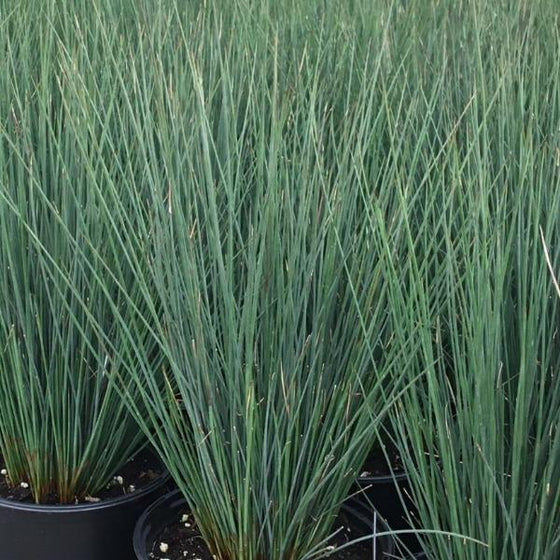
Blue Arrow Rush is an unusual ornamental plant for homeowners who appreciate clean lines, distinctive foliage color, and architectural garden design. Unlike traditional ornamental grasses with arching leaves, this attractive perennial produces stiff, upright, cylindrical stems in beautiful shades of steel blue to blue-green. The stems rise directly from the crown, forming a dense cluster that resembles a collection of slender arrows. Their strong vertical appearance creates a striking contrast against rounded shrubs, broadleaf perennials, and softly flowing garden plants. Whether placed in a contemporary border, near a water feature, or inside a decorative container, Blue Arrow provides a distinctive combination of color, texture, and upright structure.
What makes Blue Arrow particularly valuable is how much landscape interest it creates without depending on large or showy flowers. Its blue-green stems remain the primary ornamental feature throughout the growing season, providing a consistent architectural presence even when neighboring perennials are not blooming. The plant generally develops a relatively narrow footprint, allowing homeowners to introduce height and texture without planting an especially broad ornamental grass. Blue Arrow is also adaptable to a wide range of garden designs, from carefully arranged modern landscapes to more naturalistic rain gardens. For homeowners seeking an ornamental rush with striking blue foliage and an unmistakably upright appearance, Blue Arrow offers a distinctive alternative to conventional grasses.
Steel-Blue Cylindrical Stems Create Exceptional Foliage Color and Texture
The stems of Blue Arrow Rush are its most recognizable ornamental characteristic. Rather than producing broad, flat leaves like most ornamental grasses, the plant develops slender, rounded, blue-green stems that stand almost vertically from the base. Their cool metallic coloring creates beautiful contrast with dark green evergreens, golden foliage plants, and brightly colored flowering perennials. The stems appear especially attractive when illuminated by morning or afternoon sunlight, which highlights their blue-gray surfaces. Because the foliage has a relatively simple shape, Blue Arrow creates a strong visual statement without competing with the flowers or textures of nearby plants.
The plant's unusual structure also makes it particularly appealing in landscapes where a clean, organized appearance is important. Several Blue Arrow plants arranged in a row can create a repeated pattern of vertical blue-green stems, while a single specimen can serve as an architectural accent. The plant typically retains its attractive coloring through much of the growing season, although cold exposure and winter dormancy may affect its appearance in northern regions. Its stems may remain evergreen in milder climates but can decline during severe winters. The strongest ornamental advantage is the bold, blue-green stem color combined with its naturally upright growth habit, which remains visually different from the flowing forms of most other ornamental grasses.
Blue Arrow Rush Is an Excellent Choice for Rain Gardens and Pond Edges
Blue Arrow Rush is particularly valuable for landscapes with moist to wet soil, including rain gardens, bioswales, pond margins, and areas where water collects temporarily after rainfall. As a selection of Juncus inflexus, it is adapted to growing conditions that can challenge many ordinary ornamental grasses. It can tolerate heavy, moisture-retentive soils and is well suited to planting areas where the ground remains consistently damp. Its upright blue-green stems create a beautiful contrast against water, stones, and moisture-loving flowering perennials. Around a pond or water feature, the vertical stems add definition while complementing the natural appearance of aquatic and marginal plantings.
In a rain garden, Blue Arrow can be used to provide vertical structure among lower flowering perennials and plants with broader foliage. Its distinctive stems look particularly attractive alongside moisture-loving Irises, Lobelias, and other plants suited to the same site conditions. Blue Arrow tolerates occasional standing water, although the amount and duration it can withstand depend on soil conditions and plant establishment. It should not be confused with a fully submerged aquatic plant, since its stems need to remain above the water surface. For homeowners seeking a colorful ornamental plant for wet landscape conditions, Blue Arrow offers a useful combination of attractive structure and moisture adaptability.
Adaptable Moisture Tolerance Makes Blue Arrow More Versatile Than Many Rushes
Although Blue Arrow Rush is often associated with wetland plantings, it also performs in average garden soils when moisture is appropriate, making it more versatile than its appearance might suggest. Established plants can tolerate some dry periods once their root systems are developed, particularly in garden beds rather than small containers. This adaptability allows Blue Arrow to be used in sunny borders and decorative landscape beds, not only beside ponds or in rain gardens. Its stiff blue-green stems maintain an attractive upright form under a range of growing conditions, making it useful for gardeners who want an architectural plant that does not require constantly saturated soil.
An important distinction is that drought tolerance develops after establishment and does not eliminate the plant's preference for adequate moisture. Newly planted Blue Arrow specimens require regular watering while their roots grow into the surrounding soil. During prolonged hot or dry weather, additional irrigation may be necessary to prevent stress and preserve stem quality. Plants growing in containers generally need more frequent watering because their root systems are limited to the potting mix. Blue Arrow also performs best in full sun, although light partial shade is tolerated. The combination of wet-soil adaptability and reasonable drought tolerance once established gives this ornamental rush a broader range of landscape applications than many homeowners expect.
Compact Upright Growth Makes Blue Arrow Ideal for Containers and Borders
Blue Arrow Rush generally develops an upright clump approximately 24–36 inches tall and 12–18 inches wide, although mature dimensions can vary with climate and planting conditions. The stems rise in a relatively tight formation, creating a strong vertical profile without the broad, arching spread of large ornamental grasses. This makes Blue Arrow an especially attractive choice for modern garden borders, entryway plantings, patio containers, and areas where a narrow accent is desirable. Its cool blue-green color provides an interesting contrast to warm-colored paving stones, decorative planters, and ornamental shrubs.
Blue Arrow is particularly effective as a vertical centerpiece in mixed patio containers, providing height above lower-growing flowering and trailing plants. Its straight stems help define the composition, while the blue-green coloring complements yellow, purple, pink, and white flowers. When used in landscape beds, repeated groupings create a consistent pattern of upright stems that can unify different planting areas. Space plants approximately 12–18 inches apart for a relatively dense display, allowing additional room if a more open arrangement is preferred. Because the parent species can slowly expand through rhizomes, mature clumps should be monitored rather than treated as permanently fixed in width. Proper placement ensures Blue Arrow delivers its architectural benefits without crowding nearby plants.
Subtle Summer Flowers and Evergreen Character Add Seasonal Interest
Blue Arrow Rush is grown primarily for its foliage, but it also produces small, inconspicuous flowers in straw-colored to reddish-brown tones during late spring or early summer. These flowers develop in clusters near the upper portions of the stems, adding a subtle ornamental detail without altering the plant's overall upright character. Unlike Fountain Grass, which is known for prominent fuzzy plumes, Blue Arrow produces comparatively modest flowers that are most interesting when viewed up close. The flowers are primarily wind-pollinated and should not be described as a major nectar source for butterflies or bees.
After flowering, small seed capsules may develop and mature later in the season. The stems continue providing the plant's main ornamental display, with blue-green coloring remaining attractive through much of summer and autumn. In mild winter climates, Blue Arrow can retain living blue-green stems and offer extended seasonal structure. In colder locations, especially near the lower end of its hardiness range, the stems may become brown and dormant before returning with fresh growth in spring. Because its winter appearance varies with temperature and exposure, homeowners should not expect fully evergreen performance in every growing zone. Blue Arrow's best seasonal feature is the consistent architectural texture of its upright stems, rather than its relatively understated flower display.
Deer Resistance and Simple Maintenance Make Blue Arrow a Practical Garden Accent
Blue Arrow Rush is generally resistant to deer browsing and requires relatively little ongoing maintenance when planted in suitable conditions. Its upright stems grow naturally into an attractive form without the need for regular shaping or repeated trimming. The plant tolerates heat and full sunlight, making it useful in exposed landscape locations when soil moisture is adequate. In reasonably fertile garden soil, heavy fertilizer applications are rarely necessary. Too much nitrogen can encourage unwanted growth without improving the plant's distinctive appearance. During establishment, consistent watering remains important, but mature plants can tolerate a broader range of moisture conditions.
Routine maintenance primarily involves removing damaged or unattractive stems in late winter or early spring. In regions where the foliage remains green through winter, only brown or broken stems may need to be removed. In colder climates, more substantial trimming may be necessary after winter dormancy. The plant can gradually expand through underground rhizomes, so homeowners should monitor its size in tightly arranged gardens. Blue Arrow also benefits from occasional division if the clump becomes overcrowded. With appropriate sunlight, balanced watering, and modest seasonal cleanup, this architectural rush provides attractive foliage with relatively simple care.
Create Eye-Catching Combinations With Blue Arrow and Colorful Companion Plants
Blue Arrow Rush is especially effective when paired with plants that contrast with its upright blue-green stems. Its vertical shape looks beautiful alongside low, rounded flowering perennials, golden foliage plants, and broadleaf ornamentals. In sunny landscapes, yellow-flowering Coreopsis and purple Coneflowers create a strong color contrast, although their moisture requirements should be carefully matched. In wetter planting areas, Blue Arrow combines attractively with moisture-loving Iris, Cardinal Flower, and other plants suited to rain gardens. The contrasting flower shapes provide additional visual interest while Blue Arrow supplies structure throughout the growing season.
For homeowners seeking a more contemporary appearance, Blue Arrow can be used in large decorative containers with trailing foliage and compact flowering annuals. The slender stems create a clear focal point above the surrounding plants, making the entire arrangement appear taller and more organized. In naturalistic gardens, groups of Blue Arrow can provide vertical accents among broadleaf plants and lower ornamental grasses. Because Juncus inflexus is not a North American native species, homeowners designing strictly native rain gardens may prefer native rushes such as Juncus effusus, depending on the location and restoration goals. For maintained ornamental landscapes, Blue Arrow offers a distinctive way to combine steel-blue foliage, strong vertical structure, and adaptability to challenging moisture conditions.
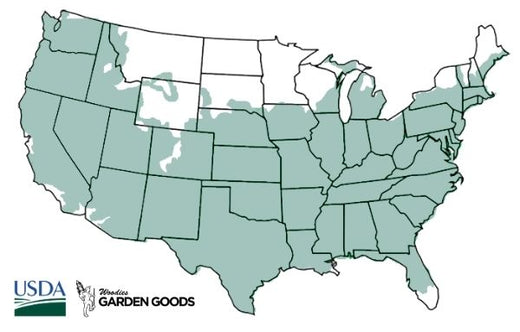
| Hardiness Zone: | 5-9 |
|---|---|
| Mature Height: | Approximately 24–36 inches |
| Mature Width: | Approximately 12–18 inches |
| Sunlight: | Full sun preferred; light partial shade tolerated |
| Soil | Moist to wet clay, loam, sandy, or peaty soil; neutral to alkaline preferred; also adapts to average garden soil |
| Water Requirements: | Moderate to high moisture preferred; wet-soil tolerant, with some drought tolerance once established |
| Bloom Time / Color | Late spring to midsummer, commonly May–July / Straw-colored, yellowish-brown, and reddish-brown |
| Ornamental Features | Stiff, cylindrical steel-blue to blue-green stems, striking vertical growth, subtle brown summer flowers, architectural texture |
| Wildlife Value | Small invertebrates and wildlife seeking vegetation cover |
| Resistance | Deer, Heat, Wet Soil, Clay Soil, Periodic Standing Water, Moderate Drought Once Established, Wind, Erosion; prolonged severe drought may cause stress |
| Landscape Uses | Rain gardens, bioswales, pond margins, water features, sunny borders, decorative containers, contemporary landscape accents, wet-area mass plantings, bioretention beds |
How to Care for Blue Arrow Rush
Before buying your new Blue Arrow Rush, make sure to read the recommended care instructions

How should I plant Blue Arrow Rush?
Plant Blue Arrow Rush in full sun to light partial shade, preferably in a location where its upright blue-green stems can be appreciated. This ornamental rush performs especially well in moist to wet soil, making it useful around ponds, in rain gardens, and in low areas that retain moisture. It also adapts to average garden beds when sufficient water is available during establishment. Choose a planting area that provides room for the mature 2–3-foot height and the gradual enlargement of its clump. Blue Arrow tolerates heavier clay soils, including sites where many conventional ornamental grasses struggle. For the strongest growth and foliage appearance, provide substantial sunlight and avoid extreme, prolonged dryness during establishment. Dig a hole approximately twice as wide as the root ball and no deeper than its height. Carefully remove the plant from its nursery container and loosen any tightly circling roots. Position the crown level with the surrounding soil, backfill, and water thoroughly. For repeated plantings, space Blue Arrow approximately 12–18 inches apart on center, adjusting for desired density and available space. In rain gardens, locate it where soil moisture remains adequate while still accounting for occasional dry periods. For containers, use a sufficiently large pot with drainage holes and a moisture-retentive potting mix. The plant tolerates wet soil, but water depth should be appropriate for the crown and should not leave the stems submerged.

How often should I water Blue Arrow Rush after planting?
During its first growing season, Blue Arrow Rush requires consistent watering while the root system becomes established. Because the species naturally favors moist conditions, avoid allowing newly planted root balls to dry completely. Water thoroughly immediately after planting and check soil moisture regularly during warm weather. In ordinary garden beds, approximately 1 inch of water per week, including rainfall, is only a starting guideline; wetter sites may already supply sufficient water, while exposed containers can require more frequent irrigation. The most reliable approach is to monitor actual moisture around the roots rather than follow a rigid schedule. Once established, Blue Arrow is more tolerant of occasional dry periods than many homeowners expect from a rush. Its original commercial introducer reports good drought tolerance in established in-ground plantings, although the plant still prefers average to wet soil conditions. Extended drought may cause stems to brown or reduce their ornamental quality. Container-grown plants usually need more frequent watering because they have limited soil volume. In rain gardens and pondside locations, supplemental irrigation may be unnecessary when the soil remains moist. Balanced moisture and strong root establishment are the keys to maintaining healthy blue-green stems.

When should I fertilize Blue Arrow Rush?
Blue Arrow Rush generally requires modest fertility and little supplemental fertilizer in established landscape beds. When planted in reasonably fertile soil, its strong upright stems usually develop without repeated feeding. If a soil test indicates a deficiency, apply an appropriate balanced slow-release fertilizer in spring as active growth begins, following the manufacturer's directions. Plants growing in containers may require occasional supplemental nutrients because frequent watering can gradually remove nutrients from the potting mix. However, the feeding schedule used in commercial greenhouse production should not automatically be applied to established residential landscapes. Avoid excessive nitrogen because heavy fertilizer applications may encourage unnecessary growth without improving the plant's architectural form. If foliage becomes weak or unattractive, inspect sunlight, soil moisture, and root health before applying additional nutrients. Blue Arrow is naturally adapted to a range of soils, so intensive fertilization is seldom necessary. In wet garden settings, avoid overapplying nutrients that may wash into nearby water features or drainage systems. Healthy soil, sufficient sunlight, and appropriate moisture generally provide a better foundation than frequent fertilizer applications.

When and how should I prune Blue Arrow Rush?
Blue Arrow Rush is evergreen to semi-evergreen depending on climate, so its pruning needs vary with winter conditions. In mild regions, many blue-green stems may remain attractive through winter and require only selective cleanup. In colder regions, the foliage can become brown or dormant, making late winter or early spring the preferred time for removing old growth. Because this is an ornamental rush with upright stems rather than broad, arching grass blades, it generally maintains its natural shape without regular trimming during the growing season. Use clean pruning shears to remove damaged, discolored, or broken stems close to the crown. Where most stems have died back after winter, a more substantial cutback can be completed before fresh growth emerges. Avoid cutting healthy green stems unnecessarily, since established rushes can take time to regain their full upright appearance after heavy trimming. Older clumps may be divided in spring if they become too large for the planting area, provided division and relocation are appropriate for the site. Selective spring cleanup is usually the best way to preserve Blue Arrow's striking architectural growth.