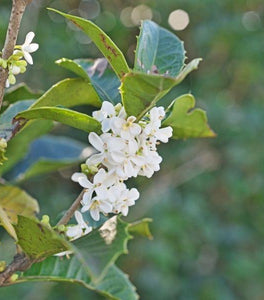
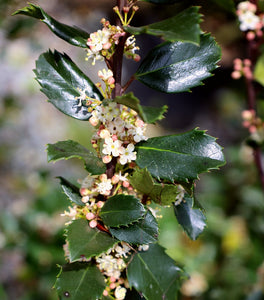
Images Depict Mature Plants
Osmanthus Goshiki
Osmanthus heterophyllus 'Goshiki'
Goshiki Osmanthus is one of the best evergreen shrubs for adding color without relying on flowers. The variegated foliage keeps the plant looking good all year, and the holly-like texture helps with deer resistance. I like it in foundations, mixed evergreen borders, and part-shade areas that need brightness. Just remember that it is a foliage plant first and a fragrant flower plant second.

15% OFF SITEWIDE SALE
Use Code 'PRIMETIME15' At Checkout
📦 Free shipping on orders over $99.
Delay shipping by leaving us a message at Checkout.
Share:



A Colorful Variegated Evergreen Shrub with Holly-Like Texture
Five-Color Foliage for Year-Round Interest
Goshiki Osmanthus is a colorful, broadleaf evergreen shrub grown for its dramatic, variegated foliage and compact, refined habit. The name “Goshiki” means “five colors,” a fitting description for foliage that can show green, cream, gold, yellow, and bronze tones throughout the season.
New growth often emerges pinkish bronze before maturing into glossy, spiny, holly-like leaves splashed with cream, gold, and green. This changing foliage gives Goshiki Osmanthus more year-round interest than many plain green evergreen shrubs. It is especially useful where homeowners want an evergreen structure with a brighter, more decorative look.
A False Holly with Evergreen Structure and Softer Scale
Also called Goshiki False Holly or Goshiki Holly Osmanthus, this shrub has the look and texture of holly without being a true holly. Its dense evergreen habit makes it useful for foundations, entries, mixed borders, low hedges, and colorful evergreen groupings.
Goshiki grows slowly, which helps keep it manageable in residential landscapes. It can be maintained as a compact shrub or allowed to mature into a larger, rounded evergreen accent. Because the leaves are naturally variegated, the plant brings color even in winter when many flowering shrubs are dormant.
Small Fragrant Flowers as a Seasonal Bonus
Goshiki Osmanthus may produce small white flowers in the fall. The flowers are not large or showy, but they can be pleasantly fragrant and add a subtle seasonal surprise when many other shrubs are finished blooming.
The foliage remains the main ornamental feature. Homeowners should choose Goshiki for its variegated evergreen color, compact texture, and deer-resistant structure, then enjoy the flowers as an added benefit. Planting it near walkways, entries, patios, or seating areas can make the fragrance easier to notice when the bloom occurs.
Ideal for Foundations, Hedges, Borders, and Shade Gardens
Use Goshiki Osmanthus as a foundation shrub, low evergreen hedge, mixed border accent, patio screen, entry planting, or colorful backdrop for perennials. It pairs especially well with boxwood, hollies, camellias, gardenias, loropetalum, hydrangeas, hostas, heuchera, ferns, and ornamental grasses.
Its variegated foliage helps brighten part-shade gardens and shaded foundation beds. In full sun, foliage color may become brighter, while part shade can help protect the leaves in hotter climates. This flexibility makes Goshiki useful in many residential planting designs.
Low Maintenance, Deer Resistant, and Adaptable
Goshiki Osmanthus is generally considered deer-resistant because of its tough, spiny, holly-like leaves. It is also low maintenance once established and can adapt to full sun or part shade with well-drained soil.
Water regularly after planting to help roots establish. Once established, it can tolerate short dry periods, but it looks best with moderate moisture. Prune lightly in spring or after flowering if shaping is needed. Because it grows slowly, heavy pruning is rarely necessary.
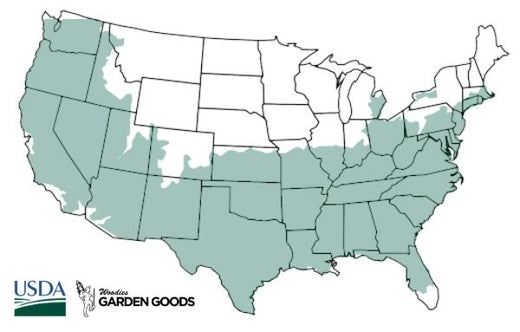
| Hardiness Zone: | 6-9 |
|---|---|
| Mature Height: | 4 to 6 Feet |
| Mature Width: | 3 to 5 Feet |
| Sunlight: | Full sun to part shade; part shade helpful in hotter climates |
| Soil: | Moist, fertile, well-drained soil preferred; adaptable to average soils |
| Water: | Water regularly after planting; moderate moisture preferred; drought tolerant once established |
| Bloom Time / Color: | Fall; small white fragrant flowers, often hidden among foliage |
| Foliage: | Spiny, holly-like evergreen leaves with green, cream, gold, yellow, and bronze variegation; new growth may emerge pinkish bronze |
| Ornamental Features: | Variegated evergreen foliage, compact habit, holly-like texture, deer-resistant leaves, subtle fall fragrance |
| Wildlife Value: | Flowers may attract pollinators; dense evergreen foliage provides structure and cover |
| Resistance: | Generally deer resistant; low maintenance; urban tolerant; drought tolerant once established |
| Landscape Uses: | Foundation shrub, low hedge, colorful evergreen accent, mixed border, entry planting, patio screen, shade garden, mass planting, year-round foliage contrast |
How to Care for Osmanthus Goshiki
Be sure to read our planting instructions to ensure a healthy and happy Goshiki Osmanthus for years to come!
-v1781807595084.png?92x91)
How should I plant Goshiki Osmanthus?
Plant Goshiki Osmanthus in full sun to part shade with well-drained soil. Choose a location where its colorful evergreen foliage can be seen year-round, such as a foundation bed, entry planting, mixed border, patio edge, or low hedge. Dig a hole about twice as wide as the root ball and just as deep. Set the top of the root ball level with the surrounding soil, backfill with native soil, and water thoroughly. Mulch around the root zone to conserve moisture, keeping mulch several inches away from the stems.
-v1781807616919.png?89x84)
How often should I water Goshiki Osmanthus after planting?
Water Goshiki Osmanthus deeply after planting, then keep the soil evenly moist while the roots establish. During the first growing season, water when the top few inches of soil begin to dry, especially during heat, wind, or drought. Established plants can tolerate short dry periods, but they look best with moderate moisture. Deep watering during extended dry spells helps protect foliage color, reduce stress, and support steady evergreen growth.
-v1781807636264.png?90x89)
When should I fertilize Goshiki Osmanthus?
Fertilize Goshiki Osmanthus in early spring if growth is weak or soil fertility is low. Use a balanced slow-release fertilizer for evergreen shrubs or topdress with compost to support steady growth. Avoid heavy fertilizing, especially with high-nitrogen fertilizer. Too much soft growth can reduce the tight, compact look that makes Goshiki useful in foundations and hedges. Healthy soil, mulch, and proper watering are usually enough.

When and how should I prune Goshiki Osmanthus?
Prune Goshiki Osmanthus lightly in spring or after flowering if shaping is needed. Remove dead, damaged, crossing, or awkward branches, and selectively shorten long shoots to maintain the desired size. Avoid heavy pruning unless the plant has become overgrown. Goshiki grows slowly and naturally forms a compact shrub, so light shaping is usually enough. Wear gloves when pruning because the spiny leaves can be sharp.