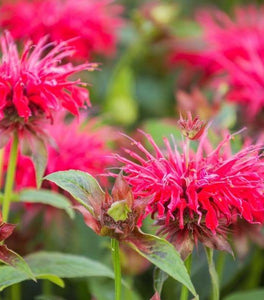
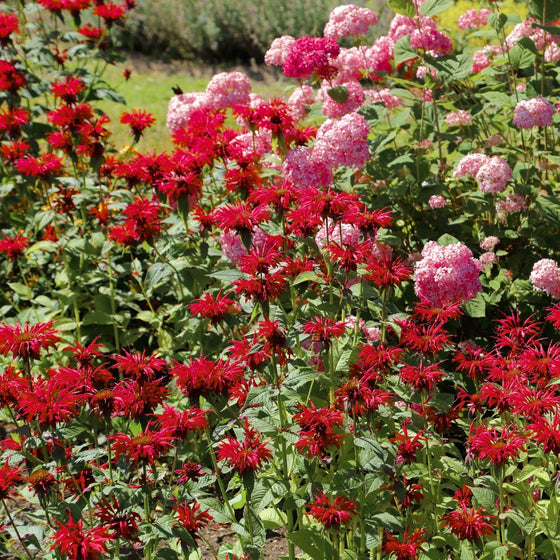


Images Depict Mature Plants
Jacob Cline Bee Balm
Monarda didyma 'Jacob Cline'
I've always considered Jacob Cline Bee Balm one of the best Monarda varieties for bringing hummingbirds into a summer garden. There is something special about those big scarlet-red flowers standing three or four feet above the ground and watching a hummingbird move from one flower head to another. The color is outstanding, and the plant has enough height to make a real statement in a perennial border. What I particularly like is that Jacob Cline combines a natural-looking flower with the kind of visual impact you usually expect from a much more formal garden plant. I would plant it in groups toward the back of a sunny border, with purple coneflowers, black-eyed Susans, and ornamental grasses in front. One thing I always tell gardeners about bee balm is that good air circulation matters. Jacob Cline has a reputation for mildew tolerance, but I've seen enough Monarda over the years to know that no selection is immune under every growing condition. Give it sunlight, consistent moisture, and room to grow. For homeowners who want spectacular red flowers, aromatic foliage, and a garden full of hummingbird activity, this remains one of my favorite choices.
$23.96 with code SAVINGS20 at checkout Save $5.99
FREE Ground Shipping on orders over $49.99
This weekend only - ends Mon 11/23 at 12 PM ET
📦 Free shipping on orders over $99.
Delay shipping by leaving us a message at Checkout.
Share:Recommended Add-Ons


Jacob Cline Bee Balm – Brilliant Scarlet-Red Flowers That Bring Hummingbirds to Your Garden
Bring Hummingbirds to Your Garden with Jacob Cline Bee Balm
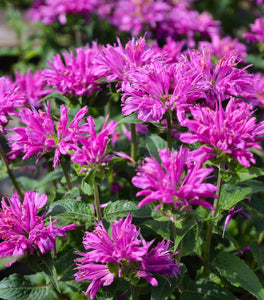
Jacob Cline Bee Balm is one of the most exciting perennial plants for gardeners who want to attract hummingbirds while enjoying a dramatic display of summer color. Known botanically as Monarda didyma 'Jacob Cline', this beautiful selection produces large, vibrant scarlet-red flowers on tall, upright stems, creating a spectacular display in summer. Its distinctive flower heads feature numerous slender, tubular blossoms arranged in rounded clusters, giving the plant the characteristic shaggy appearance that makes bee balm so recognizable. The vivid red coloring is particularly attractive to hummingbirds, making this perennial a natural choice for wildlife-friendly landscapes.
What makes Jacob Cline especially rewarding is the combination of exceptional hummingbird appeal, aromatic foliage, and substantial garden presence. Its mature height of approximately 3 to 4 feet makes it an excellent choice for the middle or back of perennial borders, where the bright flowers can rise above shorter companion plants. The plant develops into a vigorous clump and gradually spreads through underground rhizomes, creating a fuller display over time. Whether planted in a cottage garden, a pollinator border, or a native-inspired landscape, Jacob Cline Bee Balm adds height, color, fragrance, and wildlife activity, transforming an ordinary planting into something memorable.
Enjoy Brilliant Scarlet-Red Bee Balm Flowers All Summer
The flowers of Jacob Cline Bee Balm are among the most striking features of this outstanding perennial. Large, vivid scarlet-red flower heads develop near the tops of sturdy, upright stems, creating an impressive display visible from across the garden. Each rounded flower cluster contains numerous narrow, tubular blossoms that extend outward in a distinctive, almost fireworks-like arrangement. The saturated red coloring makes this variety particularly effective when paired with blue, purple, yellow, or white summer flowers. It also provides a striking contrast against the plant's green foliage and the softer textures of ornamental grasses.
Jacob Cline generally begins flowering in early to midsummer, with peak bloom often occurring around late June or July, depending on climate and growing conditions. The initial flowering display can be especially impressive when plants receive full sun, adequate moisture, and sufficient room to develop. Removing faded flower heads may encourage some additional blooming while maintaining a tidy appearance. Because the flowers are relatively large and carried on substantial stems, Jacob Cline is also a beautiful choice for informal cut-flower arrangements. Plant several together to create a dramatic mass of summer color or repeat individual clumps throughout a perennial border.
Attract Hummingbirds with Nectar-Rich Red Flowers
Few garden experiences are more enjoyable than watching hummingbirds visit flowering plants, and Jacob Cline Bee Balm has an exceptional reputation for attracting them. Its bright scarlet-red flowers and long tubular blossoms are well suited to hummingbird feeding behavior. The flowers are displayed prominently above the foliage, making them easy for visiting birds to locate. In wildlife-oriented gardens, this cultivar can become a focal point where hummingbirds repeatedly return during its flowering season, creating movement and excitement throughout the garden.
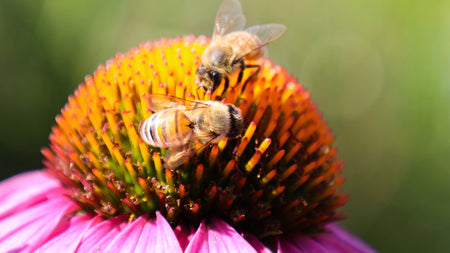
Jacob Cline's value to hummingbirds has also been demonstrated in organized horticultural trials, making hummingbird attraction one of its strongest distinguishing benefits. The plant can also contribute floral resources for other visiting pollinators, including bees and butterflies. For a more complete pollinator planting, combine Jacob Cline with other flowering perennials that bloom earlier or later in the season. Coneflowers, garden phlox, salvia, and native asters can help extend garden color and provide additional floral resources. Place the planting where it can be observed from a patio, porch, or garden bench.
Add Height and Structure to Sunny Perennial Borders
Jacob Cline Bee Balm develops a substantial, upright growth habit, typically reaching approximately 3 to 4 feet tall, with vigorous established plants occasionally growing taller under favorable conditions. Its vertical stems and clustered flowers create strong visual structure in the garden, making it particularly useful behind lower-growing perennials. The plant's bold summer flowers add height without requiring a woody shrub, giving gardeners a flexible option for seasonal borders and naturalistic plantings.
For the most attractive effect, position Jacob Cline where its upright flowering stems can rise above shorter companions. Purple coneflowers, black-eyed Susans, catmint, and ornamental grasses create beautiful combinations that balance the scarlet-red flowers with contrasting colors and textures. In cottage gardens, the plant contributes an informal, abundant appearance that becomes more attractive as the clump matures. In native-inspired landscapes, repeated plantings can create a natural rhythm while providing valuable habitat for visiting wildlife. Allow approximately 24 to 36 inches between plants to support healthy growth and reduce unnecessary crowding.
Enjoy Aromatic Foliage with a Refreshing Herbal Fragrance
Jacob Cline Bee Balm offers an additional sensory benefit through its aromatic green foliage, which releases a distinctive herbal fragrance when brushed or gently crushed. Like other members of the mint family, Monarda contains aromatic compounds that give its leaves their characteristic scent. The foliage forms an attractive background beneath the bright red flowers, contributing lush greenery throughout the growing season. This combination of colorful blooms and fragrant leaves makes the plant especially appealing near garden paths or other areas where its foliage can be appreciated.
The aromatic quality is one reason bee balm has remained popular in traditional gardens for generations. Its fragrance adds interest even when the plant is not actively flowering, while the upright foliage provides useful texture among surrounding perennials. Plant Jacob Cline alongside other aromatic or textural plants such as catmint, lavender, and salvia where their growing requirements are compatible. The contrasting foliage shapes and fragrances help create a more engaging planting. For best results, provide adequate sunlight and good air movement, both of which support healthy foliage and an attractive overall appearance during the summer.
Grow a Vigorous Bee Balm with Improved Mildew Tolerance
Jacob Cline Bee Balm has long been valued for its vigorous growth and reputation for better powdery mildew tolerance than many older bee balm selections. Powdery mildew is a common fungal problem affecting Monarda foliage, particularly when plants are crowded, air movement is limited, or environmental conditions favor disease development. Jacob Cline can perform very well in appropriate locations, but its resistance is not absolute. Independent trials have recorded moderate susceptibility, so good growing practices remain important for maintaining attractive foliage.
The best approach is to give Jacob Cline full sun, consistent soil moisture, and adequate spacing for air circulation. Avoid crowding plants tightly against neighboring perennials, and water near the base whenever practical. If powdery mildew develops, affected foliage may become coated with a whitish growth, but the plant can often continue to grow and flower. Removing heavily affected debris during seasonal cleanup can help maintain garden hygiene. Rather than treating mildew tolerance as a guarantee, gardeners should appreciate Jacob Cline's exceptional flowering and hummingbird performance while providing the conditions that help reduce disease pressure.
Create Beautiful Cottage Gardens and Native-Inspired Landscapes
Jacob Cline Bee Balm is a natural fit for cottage gardens, wildlife borders, and native-inspired plantings because of its informal flowering habit, vivid summer color, and aromatic foliage. The large red flower heads have a relaxed appearance that combines beautifully with other summer perennials. Their height and distinctive shape create contrast with the rounded flowers of coneflowers, the daisy-like blooms of Rudbeckia, and the upright flower spikes of salvia. In larger gardens, repeated groups of Jacob Cline can establish a bold visual pattern while providing a valuable nectar resource.
Because Jacob Cline is a cultivated selection of a North American species, it is particularly suitable for gardeners who enjoy native-plant-inspired landscapes with strong ornamental appeal. It spreads through underground rhizomes and may gradually develop into larger colonies, making it useful in informal beds where plants have room to expand. In smaller gardens, periodic division helps maintain the desired size and renew vigor. Give this perennial a sunny position with reasonably fertile, moisture-retentive but well-drained soil, and it can become a rewarding feature of the summer garden for years to come.
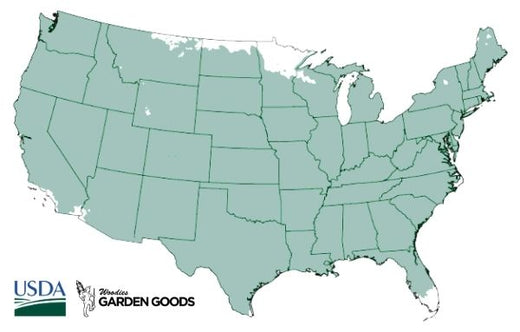
| Hardiness Zone: | 4-9 |
|---|---|
| Mature Height: | Typically 3 to 4 feet; up to approximately 50 inches in trials |
| Mature Width: | Approximately 2 to 3 feet; colonies can expand beyond this |
| Sunlight: | Full sun to partial shade; best flowering in full sun |
| Bloom Time / Color | Full sun to partial shade; best flowering in full sun; Brilliant scarlet red |
| Soil Condition: | Fertile; moisture-retentive; well-drained |
| Water Requirements: | Moderate to consistent; supplemental watering during dry spells |
| Wildlife Value | Exceptionally attractive to hummingbirds; floral resources for bees and butterflies |
| Resistance (deer/disease/drought/etc.) | Generally resistant; not deer-proof; good powdery mildew resistance with sun + airflow |
| Landscape Uses | Hummingbird gardens; pollinator borders; cottage gardens; native-inspired beds; cut-flower gardens |
How to Care for Jacob Cline Bee Balm
Before you purchase your Jacob Cline Bee Balm, be sure to read the care instructions to ensure your plant remains happy and healthy for years to come.

How should I plant Jacob Cline Bee Balm?
Plant Jacob Cline Bee Balm in full sun for the strongest flowering performance, although it can tolerate partial shade. Select a location with fertile, moisture-retentive soil that drains adequately after rainfall. Dig a planting hole approximately twice the width of the root ball and no deeper. Position the plant with the crown level with the surrounding soil, backfill carefully, and water thoroughly. Incorporating compost can improve soil structure, especially in sandy soils that dry quickly or compacted soil that needs better drainage. Space plants approximately 24 to 36 inches apart to accommodate their vigorous growth and encourage good air circulation. This is particularly important because bee balm can develop powdery mildew when plants become crowded. Jacob Cline works beautifully in sunny perennial borders, cottage gardens, and pollinator plantings. Place it toward the middle or back of the border, where its tall flowering stems can rise above shorter plants. A light mulch layer helps conserve moisture, but keep mulch from accumulating directly against the crown.

How often should I water Jacob Cline Bee Balm after planting?
Water Jacob Cline Bee Balm thoroughly after planting and maintain consistent moisture during its first growing season. Newly planted Monarda should not be allowed to dry severely while developing roots. Check soil moisture regularly and water deeply when the upper portion of the root zone begins to dry. Frequency depends on temperature, rainfall, and soil type. Watering at the base of the plant is preferable to repeatedly wetting the foliage, especially during humid weather. Established Jacob Cline Bee Balm performs best with reasonably consistent moisture throughout the growing season. It is not an ideal perennial for extremely dry landscapes, and prolonged drought can cause wilting, reduced flowering, and stressed foliage. Supplemental watering during hot, dry weather helps maintain vigorous growth. Avoid keeping the soil constantly saturated, however, since healthy roots still need adequate oxygen. Deep watering and good air circulation are both important for strong plants and attractive foliage.

When should I fertilize Jacob Cline Bee Balm?
Fertilize Jacob Cline Bee Balm lightly in early spring as new shoots begin growing. In fertile garden soil, an annual topdressing of compost may provide sufficient nutrients. If the planting area is relatively poor, a balanced, slow-release fertilizer can be applied according to the manufacturer's directions. Monarda generally does not need heavy feeding to produce an impressive flowering display, especially when soil organic matter and moisture are maintained. Avoid excessive nitrogen fertilizer because lush, overly soft growth can create a dense canopy and increase maintenance concerns. An overly vigorous planting may also require more frequent division to keep it within its intended space. Focus on maintaining good soil conditions rather than repeated fertilizer applications. If the foliage appears healthy and flowering is strong, additional feeding may not be necessary. Adequate moisture, sunlight, and spacing usually have more influence on garden performance than aggressive fertilization.

When and how should I prune Jacob Cline Bee Balm?
Prune Jacob Cline Bee Balm during and after its flowering season by removing spent flower heads when they begin to fade. Deadheading can improve the plant's appearance and may encourage some additional flowering. Use clean pruners and cut back to a healthy set of leaves or developing side shoots. If the clump becomes too tall or floppy, light shaping may help, although providing adequate sunlight generally produces stronger stems. After frost has ended the growing season, cut dead stems back near the ground, or leave them temporarily for winter structure and remove them in early spring. When practical, retain some standing stems through winter to provide habitat for beneficial insects. Divide established clumps every few years when they become crowded or begin spreading beyond the desired area. Thinning and division improve air circulation, helping maintain plant vigor and reduce conditions favorable to powdery mildew.