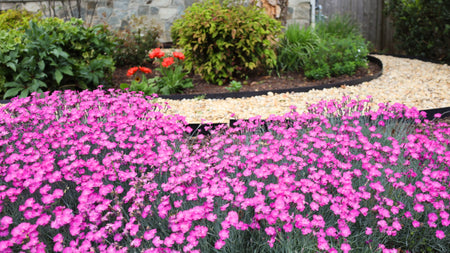


Images Depict Mature Plants
Blue Creeping Mazus
Mazus reptans
Blue Creeping Mazus is one of my favorite groundcovers for making a landscape look finished, especially around stepping stones and along garden pathways. It stays incredibly low, spreads into a beautiful green carpet, and produces these delicate little blue-violet flowers in spring that look almost like miniature snapdragons. What I particularly like is how it softens the hard edges of stone walkways without creating a tall, messy planting. Just remember that this is not a drought-tolerant groundcover like Creeping Thyme. Blue Creeping Mazus appreciates consistent moisture, and that's the key to getting a thick, healthy mat. Give it the right conditions, keep it edged where necessary, and it can turn those awkward little spaces between stones into one of the nicest details in your garden.
$15.16 with code SAVINGS20 at checkout Save $3.79
FREE Ground Shipping on orders over $49.99
This weekend only - ends Mon 11/23 at 12 PM ET
📦 Free shipping on orders over $99.
Delay shipping by leaving us a message at Checkout.
Share:



A Beautiful Blue Flowering Groundcover for Stepping Stones, Pathways, and Shade Gardens
Blue Creeping Mazus is an exceptional flowering groundcover for homeowners looking to bring soft color and lush greenery into small garden spaces. Botanically known as Mazus reptans, this low-growing perennial produces an abundance of delicate lilac-blue to violet-blue flowers that appear just above its dense mat of bright green foliage. The small, two-lipped blossoms resemble miniature snapdragons, with attractive pale markings near their centers that make them particularly beautiful when viewed up close.
Unlike taller flowering perennials that create height in the garden, Blue Creeping Mazus spreads horizontally, forming a colorful carpet only a few inches above the soil. During spring and early summer, its flowers can transform an ordinary patch of ground into a beautiful display of blue-violet color. For gardeners seeking a low-growing, naturally spreading groundcover that provides attractive seasonal flowers, Blue Creeping Mazus is an excellent choice for pathways, borders, and smaller planting spaces.
One of the Best Flowering Groundcovers for Stepping Stones
One of the most appealing characteristics of Blue Creeping Mazus is its ability to grow between stepping stones and along garden pathways. The plant produces slender creeping stems that root where they touch the soil, gradually filling the narrow spaces between pavers with a soft green carpet. Its extremely low growth habit allows the foliage to spread around the edges of stones without creating the bulky appearance associated with taller groundcovers.
Once established, Blue Creeping Mazus tolerates occasional light foot traffic, making it especially useful for decorative walkways, garden paths, and patio transitions. The foliage may be stepped on occasionally, although heavily traveled areas should still rely on solid stepping stones to carry most of the weight. When planted between pavers, its tiny flowers create an attractive contrast against natural stone, brick, or concrete. The result is a pathway that feels more inviting and naturally integrated into the surrounding garden.
Dense Green Foliage Creates a Beautiful Living Groundcover
Blue Creeping Mazus forms a dense mat of small, bright green leaves that remains attractive long after the spring flowers have faded. Mature foliage typically reaches only 2 to 4 inches tall, while individual plants can spread approximately 12 to 24 inches or more as their creeping stems develop. This low, spreading growth habit makes Mazus especially useful for softening garden edges, covering exposed soil, and creating a uniform green surface in places where larger plants would be inappropriate.
The foliage is particularly attractive when planted in groups, allowing individual plants to gradually grow together into a continuous carpet. Use Blue Creeping Mazus along the front of perennial borders, around ornamental shrubs, or between larger stepping stones to create a polished appearance. The dense growth can also help reduce weed establishment once the plants have filled in, although occasional weeding is still important during establishment. In mild climates, the foliage may remain green for much of winter, while colder conditions can cause partial or complete winter dormancy.
A Flowering Lawn Alternative for Small Garden Spaces
For homeowners looking to replace small, difficult-to-mow patches of lawn, Blue Creeping Mazus offers an attractive alternative. Its low-growing habit generally eliminates the need for routine mowing, while the bright green foliage provides a soft, carpet-like appearance. During spring, the additional display of blue-violet flowers brings seasonal interest that ordinary turfgrass cannot provide.
Blue Creeping Mazus is particularly effective in small lawn-replacement areas, decorative courtyard gardens, narrow strips between walkways, and other spaces where mowing equipment is impractical. It is best suited to locations with occasional rather than constant foot traffic and where regular moisture is available. Unlike traditional lawn grasses, it is not intended for active recreation, children's play areas, or heavily traveled walkways. For homeowners looking to create a low-maintenance garden path or replace a small patch of turf with flowering greenery, Mazus provides a beautiful alternative.
Excellent Groundcover for Moist Soil and Part-Shade Gardens
Blue Creeping Mazus performs best in full sun to partial shade when grown in consistently moist soil. It is particularly valuable in cooler garden locations, bright woodland edges, and partially shaded planting beds where soil moisture remains reasonably consistent. The plant prefers fertile, moisture-retentive soil but can adapt to several soil types when drainage and moisture are appropriate.
Unlike drought-tolerant groundcovers such as Creeping Thyme, Blue Creeping Mazus does not perform well when the soil becomes severely dry for extended periods. Regular watering is especially important during establishment and summer heat. The plant can tolerate occasionally wet conditions, but standing water and prolonged saturation should be avoided. For gardeners trying to cover moist garden areas that are too shaded for many traditional flowering plants, Blue Creeping Mazus offers an attractive combination of delicate flowers and lush green foliage.
Easy-Care Groundcover That Spreads and Fills Empty Spaces
Once established, Blue Creeping Mazus is relatively easy to maintain. Its creeping stems root naturally at the nodes, allowing the plant to expand into nearby open soil and create a connected groundcover. Planting several specimens approximately 10 to 12 inches apart encourages them to grow together more quickly, creating the dense appearance that makes Mazus so desirable along pathways and garden borders.
After flowering, a light trimming helps remove faded blooms and maintain a neat, uniform appearance. If stems begin spreading beyond the intended planting area, simply trim or edge them back. Because Mazus can spread readily in consistently moist, fertile soil, it is best used where its growth can be monitored and contained. With suitable moisture, occasional trimming, and thoughtful placement, Blue Creeping Mazus creates a beautiful flowering carpet that adds color and texture without requiring extensive maintenance.
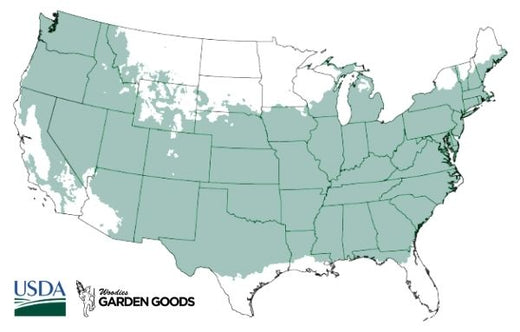
| Hardiness Zone: | 5-8 |
|---|---|
| Mature Height: | 2 to 4 inches |
| Mature Width: | Approximately 12 to 24 inches; can spread farther over time |
| Sunlight: | Full sun to partial shade; afternoon shade beneficial in hotter climates |
| Bloom Time / Color: | Mid-spring to early summer; lilac-blue to violet-blue flowers |
| Soil Condition: | Fertile, moist, well-drained to moisture-retentive soil |
| Water Requirements: | Moderate to consistent moisture; not drought tolerant |
| Wildlife Value | Flowers may attract small bees and other flower-visiting insects |
| Resistance | Generally considered deer resistant; browsing remains possible |
| Landscape Uses | Between stepping stones; paver joints; garden paths; edging; small lawn alternatives; moist shade borders; rock gardens; containers |
How to Care for Blue Creeping Mazus
After purchasing your Creeping Mazus, be sure to read our care instructions to ensure this perennial groundcover is happy and healthy for years to come.

How should I plant Blue Creeping Mazus?
Plant Blue Creeping Mazus in full sun to partial shade, choosing a location with consistently moist, reasonably well-drained soil. In cooler regions, it can tolerate more direct sunlight when adequate moisture is available. In hotter climates, some afternoon shade helps reduce moisture stress. Prepare the soil by removing weeds and loosening the upper few inches. Dig a shallow planting hole slightly wider than the root ball, position the plant so the crown remains level with the surrounding soil, then backfill and water thoroughly. For groundcover beds, space plants approximately 10 to 12 inches apart to encourage relatively quick coverage. When planting between stepping stones, create small pockets of suitable soil, ensuring there is enough depth for roots to develop. Position plants where they will receive occasional rather than heavy foot traffic. Keep the soil evenly moist while the creeping stems establish, and avoid covering the small plants with thick mulch that could interfere with their spreading growth.

How often should I water Blue Creeping Mazus after planting?
Water Blue Creeping Mazus thoroughly immediately after planting, then keep the soil consistently moist while the roots establish. During the first several weeks, check soil moisture frequently, especially when plants are growing between stepping stones where soil pockets may dry faster. Water deeply whenever the upper layer begins to dry, taking care not to wash soil away from the shallow roots. Once established, Blue Creeping Mazus continues to appreciate relatively consistent moisture. Unlike drought-tolerant groundcovers, it may become thin or develop brown patches when exposed to prolonged dry conditions. Supplemental watering is particularly important during hot summer weather or when the plant is competing with tree roots for moisture. Avoid prolonged standing water, but do not allow the root zone to become severely dry for extended periods.

When should I fertilize Blue Creeping Mazus?
Blue Creeping Mazus generally requires little fertilizer when planted in fertile garden soil. In early spring, a light application of compost or a balanced slow-release perennial fertilizer can encourage healthy foliage development and support the spring flowering period. Apply fertilizer according to the manufacturer's instructions and avoid concentrating it directly against the small crowns. Excessive fertilization is unnecessary and can encourage soft, overly vigorous growth. When Mazus is grown between stepping stones, maintaining a dense but tidy mat is generally more desirable than encouraging excessive spreading. Adequate moisture, suitable soil conditions, and appropriate sunlight are more important for long-term performance than repeated fertilizer applications.

When and how should I prune Blue Creeping Mazus?
Blue Creeping Mazus requires very little routine pruning because it naturally forms an extremely low groundcover. After the spring flowering period, lightly trim or shear the foliage to remove spent flowers and maintain a uniform appearance. This can also encourage fresh growth and help keep the planting neat along garden paths and between stepping stones. During the growing season, trim stems that spread into neighboring beds, across walkways, or beyond the desired planting area. Because Mazus roots at the nodes, remove unwanted rooted runners rather than simply cutting off their tips when long-term containment is needed. In colder climates, remove damaged or dead foliage in early spring before new growth begins. Regular edging helps keep this spreading groundcover attractive and manageable.