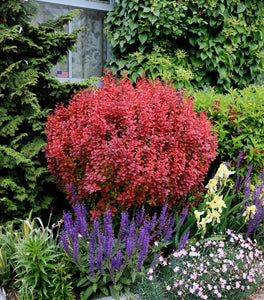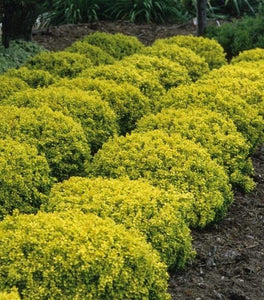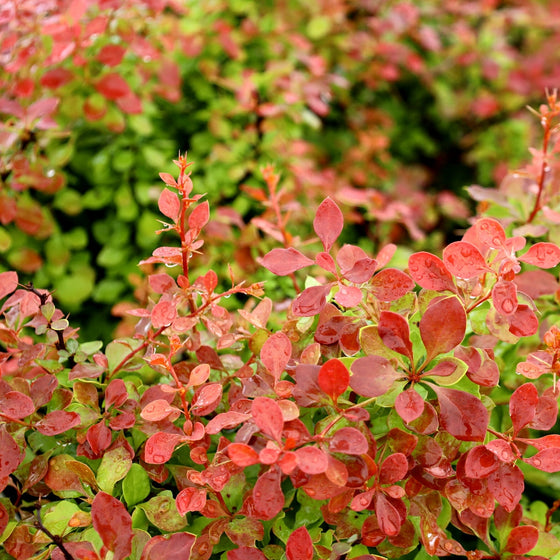
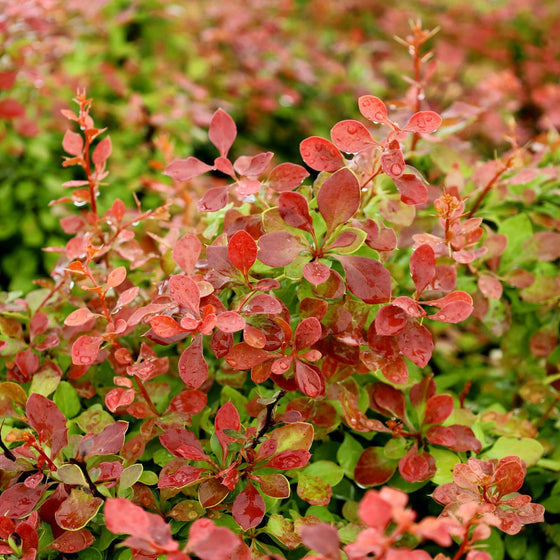


Images Depict Mature Plants
Admiration Barberry
Berberis thunbergii 'Admiration'
Admiration Barberry is one of those small shrubs that does a surprising amount of work in the landscape. The red foliage with that crisp golden edge brings a lot of energy to borders, containers, and foundation beds, and the compact size makes it easy to place without second-guessing where it will end up in a few years. When a planting needs bold color, clean form, and a shrub that can handle sunny conditions without a lot of fuss, this is a variety I trust.

20% Off Sitewide Sale!
Use Code 'ENDOFSEASON20' At Checkout
📦 Free shipping on orders over $99.
Delay shipping by leaving us a message at Checkout.
Share:


Admiration Barberry Shrubs for Sale Online
Vivid Foliage Color That Brings Instant Contrast
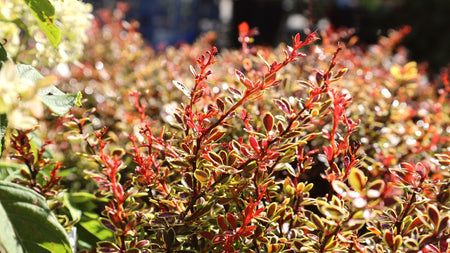
Admiration Barberry is one of the easiest shrubs to use when a planting needs stronger color and better definition. Its foliage is rich red to burgundy with a crisp golden-yellow edge, giving the plant a striking two-tone look that stands out from spring through fall. That color combination creates immediate contrast against green shrubs, silver foliage, ornamental grasses, and flowering perennials, which helps the whole bed feel brighter and more intentional.
Because the color comes from the foliage rather than the flowers, Admiration Barberry earns its place in the landscape for a much longer season. It keeps looking good through bloom cycles, which makes it especially useful in foundation beds, front borders, and decorative containers where long-lasting color matters. For homeowners who want a shrub that looks bold but still refined, this foliage display is one of the plant’s strongest selling points.
A Dwarf Shrub That Fits Smaller Spaces Beautifully
Admiration Barberry is especially appealing because it stays naturally compact, usually maturing in a tidy, rounded form around 1 to 2 feet tall and wide. That small scale makes it a strong choice for front-of-bed placement, lower foundation plantings, patio containers, and smaller residential landscapes where a larger shrub would quickly feel too bulky. Instead of taking over the space, it adds color and structure in a way that feels controlled and easy to manage.
That compact habit also gives gardeners more flexibility in how they use it. It can be planted singly as a colorful accent, repeated in a low border, or grouped to create a small hedge with strong foliage impact. Because it stays dense and rounded, it gives the landscape a finished look without asking for heavy pruning or constant shaping. For gardeners who want vivid color in a manageable package, Admiration Barberry is an easy fit.
Tough, Low-Maintenance Performance for Sunny Landscapes
Admiration Barberry is not just about color. It is also valued for toughness. It performs best in full sun, where the foliage develops its richest tones, and it becomes notably more drought-tolerant once established. The thorny stems and dense habit also make it a practical choice in landscapes where deer resistance matters, giving gardeners another reason to rely on it in exposed beds and borders.
That easy-care durability is part of what makes this shrub so useful in real home landscapes. It handles heat, bright sun, and leaner soils better than many softer ornamental shrubs, provided drainage is good. It asks for very little beyond basic watering while young and occasional light shaping if desired. For homeowners who want strong color without a high-maintenance routine, Admiration Barberry combines beauty and resilience.
A Smart Accent for Borders, Containers, and Seasonal Interest
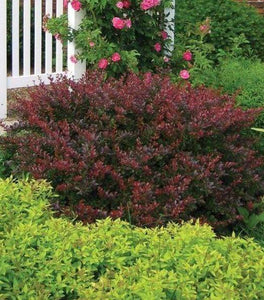
Admiration Barberry shines in plantings where compact size and foliage color do more work than height. It is a strong choice for edging sunny beds, repeating through mixed borders, brightening low foundation plantings, and dressing up decorative containers. Its rounded form helps soften hard edges, while the red-and-gold foliage brings a warm, energized look to the entire planting.
It also offers a pleasing seasonal progression. The foliage stays vivid through the growing season, then often deepens into richer tones as cooler weather arrives. Even after leaf drop, the dense branching keeps some structure in the landscape. For gardeners who want a small deciduous shrub that delivers long-season color, compact habit, and practical garden value, Admiration Barberry is one of the most reliable choices in its category.

| Hardiness Zone: | 4-8 |
|---|---|
| Mature Height: | 1.5 to 2 Feet |
| Mature Width: | 1.5 to 2 Feet |
| Sunlight: | Full sun to partial shade |
| Bloom Time / Color: | Spring; small yellow flowers |
| Soil Condition: | Well-drained soil |
| Water Requirements: | Moderate while establishing; lower once established |
| Wildlife Value: | Primarily ornamental value; dense branching adds garden structure |
| Resistance (deer/disease/drought/etc.): | Deer resistant, drought tolerant once established, thorny stems |
| Landscape Uses: | Borders, foundation beds, containers, low hedges, accent plantings |
How to Care for Admiration Barberry
After you purchase your Admiration Barberry Shrub, be sure to read the recommend care instructions to ensure your plant stays happy and healthy for years to come.
-v1745241838730.png?92x91)
How should I plant Admiration Barberry?
Plant Admiration Barberry in full sun to partial shade in well-drained soil. Dig a hole about twice as wide as the root ball and no deeper than the plant was growing in its nursery pot, then set the root ball so the top sits level with or slightly above the surrounding soil. Backfill with native soil, water thoroughly, and apply a light mulch layer while keeping it away from the stems. Choose a spot where the foliage color can be fully appreciated and where the shrub has room to maintain its natural, rounded form. This plant works especially well in sunny borders, low foundation beds, and containers where the red-and-gold foliage can be seen up close. Full sun usually produces the strongest color, while partial shade can still yield slightly softer tones.

How often should I water Admiration Barberry after planting?
Water the Admiration Barberry deeply right after planting, then keep the soil evenly moist during the first growing season while it establishes. The goal is to help the roots settle in without letting the plant sit in soggy soil, since barberries prefer good drainage more than constant moisture. Once established, watering needs drop noticeably. Admiration Barberry becomes more drought-tolerant over time and usually only needs occasional deep watering during long, hot, or dry stretches. In containers, you may need to water more often because the soil dries faster than it does in the ground.

When should I fertilize Admiration Barberry?
Fertilize Admiration Barberry lightly in early spring if needed. A balanced, slow-release shrub fertilizer is usually enough to support healthy foliage and steady growth without encouraging weak, overly soft growth. In many home landscapes, this shrub does not need heavy feeding. Good sun, decent drainage, and reasonable soil quality often matter more than extra fertilizer. The goal is compact, colorful growth that stays dense and tidy, not fast growth that pushes the plant beyond its naturally balanced form.

When and how should I prune Admiration Barberry?
Prune Admiration Barberry in late winter, early spring, or lightly after the main flush of growth if shaping is needed. The best approach is usually minimal trimming to preserve the shrub’s natural, rounded habit while removing any stray, damaged, or awkward branches. Because it is naturally compact, major pruning is rarely necessary. Light shaping is enough if you are using it as a low hedge or formal accent. If you are growing it as an individual specimen, only occasional cleanup may be needed to keep the plant looking neat and balanced.